
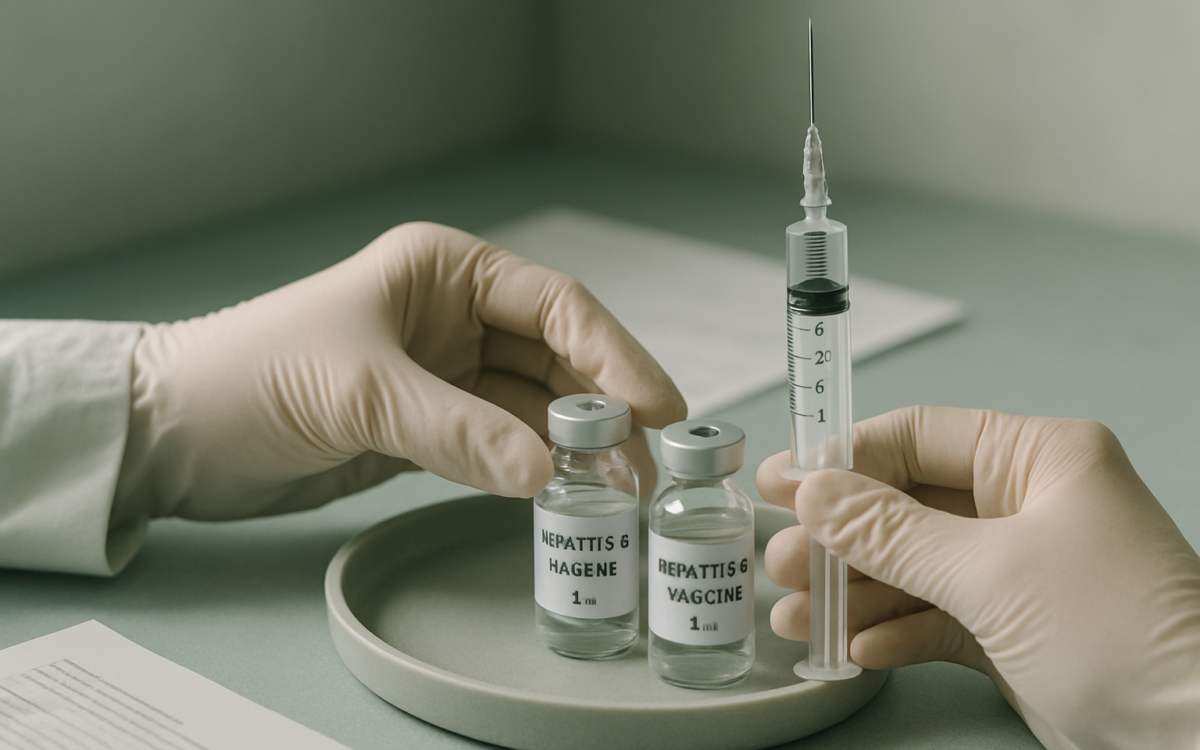
Hepatitis B is a serious liver infection caused by the hepatitis B virus (HBV). It can lead to chronic disease, liver failure, or even liver cancer. Thankfully, there is a vaccine that protects against this virus. If you or your loved ones haven’t received the Hepatitis B vaccine yet, you might wonder how many doses are required to ensure adequate protection. In this article, we’ll break down the vaccine scheduling and explain its importance in safeguarding your health.
Overview of the Hepatitis B Vaccine
The Hepatitis B vaccine is made from a non-infectious part of the virus. It stimulates your immune system to produce antibodies that fight the virus if you are ever exposed. The vaccine is typically administered as an injection in the arm.
Recommended Dosing Schedule
The standard Hepatitis B vaccination schedule consists of three doses:
- First Dose: The initial dose is usually given at birth, but it can also be administered at any time during infancy or childhood.
- Second Dose: The second dose is typically administered one to two months after the first dose.
- Third Dose: The final dose is usually given six months after the first dose.
Some adults may also need the vaccination, especially those at higher risk, such as healthcare workers, people with multiple sexual partners, or individuals with liver disease. For adults, the three doses should follow the same schedule. However, make sure to consult a healthcare provider about the best timing for your situation.
Importance of Completing the Series
Completing all three doses is crucial for ensuring long-term immunity against hepatitis B. Studies show that about 90-95% of healthy individuals develop protective antibodies after completing the vaccination series. When the vaccine is not completed, the body may not build enough immunity, leaving individuals vulnerable to infection.
Alternative Dosing Strategies
In some cases, alternative dosing strategies may be considered. For example, the World Health Organization (WHO) outlines a rapid vaccination schedule for individuals who need immediate protection, such as travelers going to high-risk areas. This accelerated schedule typically consists of three doses given over a shorter period. The first dose at a medical appointment, the second dose after seven days, and the third dose after 21 days.
It’s important to note that while this expedited schedule can help increase immunity more quickly, it may not provide the same level of long-term protection as the standard schedule. If you’re considering traveling and may require the Hepatitis B vaccine, check with a travel medicine clinic or your doctor for advice and access to vaccination options.
Hepatitis B Vaccine for Children and Adults
The Hepatitis B vaccine is recommended for all infants, children, and adolescents. The U.S. Centers for Disease Control and Prevention (CDC) advises that children receive their first dose at birth, followed by doses at 1-2 months, and 6-18 months of age. Adults who were not vaccinated as children should consider getting the vaccine, particularly if they are at higher risk for HBV infection.
International travelers may also want to consider the Hepatitis B vaccine if they plan to visit regions where the virus is more prevalent. In many countries, the availability and recommendations for vaccination may differ. For example, at acibademinternational.com, there are specialized healthcare facilities that provide vaccinations and travel-related advice tailored to specific locales.
Side Effects of the Vaccine
Like any vaccine, the Hepatitis B vaccine can cause side effects. Most of these are mild and temporary, including:
- Soreness at the injection site
- Low-grade fever
- Fatigue
Serious side effects are rare, but anyone experiencing unusual symptoms after a vaccination should contact a healthcare provider. Despite the potential for these mild effects, the benefits of vaccination far outweigh the risks, particularly given the serious nature of hepatitis B infection.
When to See a Doctor
If you’re unsure about whether you’ve been vaccinated, or if you’re at risk for hepatitis B and want to discuss vaccination, consult your healthcare provider. They can review your vaccination history and determine the best course of action to protect yourself and your family.
Conclusion
Understanding the dosing schedule for the Hepatitis B vaccine is essential for protecting yourself and your loved ones from this potentially life-threatening infection. By following the recommended vaccination schedule, most people can achieve effective immunity against the virus. If you have further questions or concerns about hepatitis B or vaccination, always consult a healthcare professional.
