
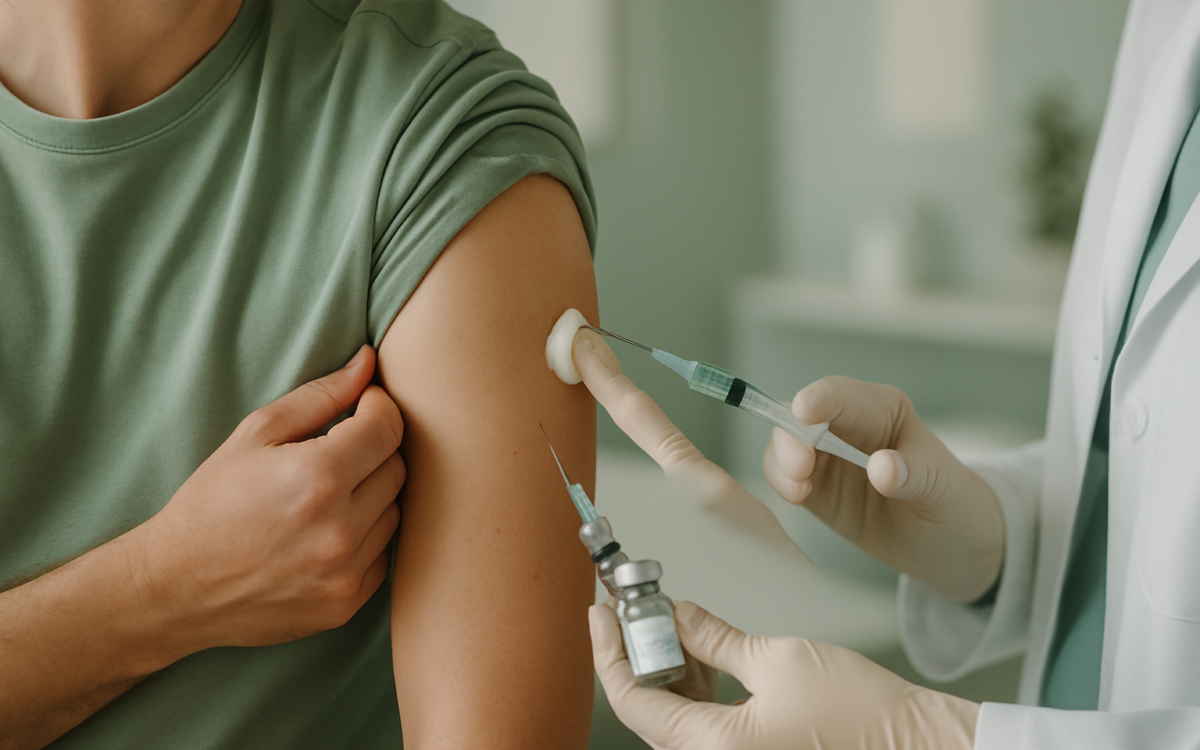
Staying healthy as an adult involves more than just eating well and exercising. One crucial aspect of health that often gets overlooked is vaccination. Vaccines are not just for children; adults need them too. Vaccination helps protect not only individual health but also those around us. In this article, we will explore the recommended vaccines for adults, their importance, and when to get them.
Why Vaccination Matters for Adults
As we age, our immune systems may become less efficient, making us more susceptible to certain diseases. Vaccines play a vital role in this context. They help the body learn to fight off infections by introducing a harmless form of the pathogen or components of it. This process triggers an immune response, which prepares us to combat real infections in the future.
Moreover, some diseases, such as influenza, hepatitis, and shingles, can pose significant health risks to adults. Staying updated on vaccinations can prevent serious health complications, hospitalizations, and even death. According to the CDC, routine vaccinations are crucial for adults in maintaining public health.
Core Vaccines Recommended for Adults
Here are some of the key vaccines recommended for adults:
- Influenza Vaccine: An annual flu shot is recommended for everyone aged six months and older. The flu can lead to severe complications, especially for older adults and those with certain health conditions.
- Tdap (Tetanus, Diphtheria, Pertussis): Adults should receive a Tdap booster every ten years. Pertussis, or whooping cough, can be especially dangerous for infants and older adults.
- MMR (Measles, Mumps, Rubella): Adults born after 1957 should ensure they have at least one dose of the MMR vaccine. Measles is highly contagious and can lead to severe complications.
- Shingles Vaccine: Adults aged 50 and older are recommended to get the shingles vaccine to prevent this painful condition.
- Pneumococcal Vaccines: The CDC recommends pneumococcal vaccination for adults age 65 and older, as well as for younger adults with specific health conditions.
Other Important Vaccines
Besides the core vaccines, several additional vaccines provide protection against other illnesses, particularly if you’re at higher risk:
- Hepatitis A and B: Vaccination is advisable for adults at risk. Hepatitis can have serious long-term consequences.
- Human Papillomavirus (HPV): Recommended for adults up to age 45 to prevent certain cancers.
- Meningococcal Vaccines: If you are a college student, military personnel, or traveling to areas with outbreaks, this vaccine may be necessary.
Vaccination Schedules and Timing
Understanding when to get vaccinated can be confusing. Most adults are encouraged to follow a vaccination schedule that corresponds to their age, health status, and lifestyle. Here’s a general guideline:
- Annual flu vaccine each fall.
- Tdap booster every ten years.
- Shingles vaccine at age 50.
- Pneumococcal vaccines typically recommended at age 65 or earlier if at risk.
- Stay up to date with other vaccines like MMR and HPV as advised by your healthcare provider.
Who Should Consider Additional Vaccinations?
Certain groups may need specific vaccines based on their unique circumstances:
- Travelers: If you’re planning to travel abroad, check vaccine requirements for your destination.
- Healthcare Workers: They should be up to date on vaccination to protect themselves and their patients.
- Individuals with Chronic Conditions: If you have any long-term health issues, consult your doctor about additional vaccines that may be necessary.
When to See a Doctor
If you’re unsure about your vaccination status or have questions about which vaccines you may need, consult with your healthcare provider. They can provide personalized recommendations based on your age, health status, and lifestyle.
Conclusion
Staying on top of vaccinations is a key part of maintaining not only your health but also the well-being of your community. Vaccines are safe, effective, and essential for preventing serious diseases. If you’re not sure what vaccines you need, don’t hesitate to ask your doctor—they are your best resource for staying healthy in adulthood.
