
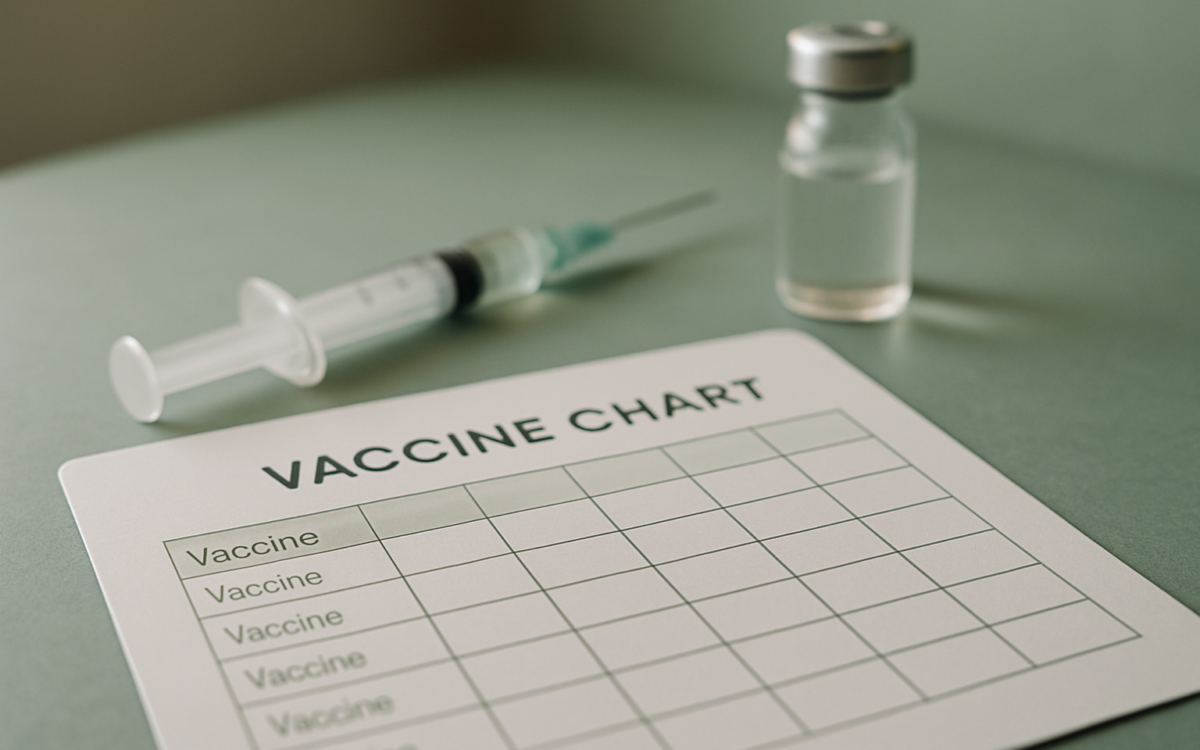
As we navigate through life, our health comes under constant monitoring, with vaccinations being a vital part of that journey. A vaccine chart serves as a straightforward tool to guide us, showing when we should have specific vaccines and what they protect against. Understanding this chart can make a significant difference, especially for parents managing their children’s immunization schedules. In this article, we’ll delve into what a vaccine chart is, its importance, and how to make the best use of it.
What is a Vaccine Chart?
A vaccine chart is an organized outline that lists vaccinations based on a person’s age or health condition. It typically includes the recommended vaccines, the timing for each dose, and sometimes the age at which each vaccine should be administered. They are designed by health organizations to ensure individuals receive timely immunizations that can prevent serious diseases.
Why Are Vaccines Important?
Vaccines are essential for public health, curbing the spread of infectious diseases. They not only protect the individual receiving the vaccine but also create herd immunity, which protects others in the community who may be vulnerable, like newborns or those with compromised immune systems. According to the Centers for Disease Control and Prevention (CDC), vaccines have helped to virtually eliminate diseases such as measles, polio, and rubella in many parts of the world.
How to Read a Vaccine Chart
1. **Identify Your Age Group**: Vaccine charts are often divided into sections based on age groups (infants, children, adolescents, adults). Make sure to reference the correct section.
2. **Look for Recommended Vaccines**: Each entry will list vaccines, often accompanied by abbreviations. For instance, DTaP stands for Diphtheria, Tetanus, and Pertussis. Look for the vaccines you or your child may need based on the chart.
3. **Check the Schedule**: Vaccine charts indicate when each vaccine should be given (initial dose and booster shots). This is crucial to ensure optimal immunity.
4. **Consult Additional Resources**: A vaccine chart is a useful starting point, but further details can often be found on health organization websites, such as the World Health Organization (WHO).
Common Vaccines Listed on the Chart
Different vaccines serve various purposes. Some common vaccines listed on a typical vaccine chart include:
- MMR (Measles, Mumps, Rubella): Often given in early childhood, protecting against these viral diseases.
- Tdap (Tetanus, Diphtheria, Pertussis): An important vaccine for preteens, teenagers, and adults to prevent these serious illnesses.
- HPV (Human Papillomavirus): Recommended for both boys and girls to help prevent certain types of cancer.
- Flu Vaccine: An annual vaccine to protect against the influenza virus.
Keeping Up with the Schedule
Staying up to date with vaccinations is important for achieving full protection. Some strategies to ensure you don’t miss any vaccinations include:
- **Maintain an Immunization Record**: Keep a personal or family immunization record that tracks vaccines received and future ones due.
- **Set Reminders**: Utilize your phone’s calendar to set reminders before vaccine appointments. This ensures you won’t overlook any doses.
- **Consult Your Doctor or Pediatrician**: Regular check-ups can help ensure that immunizations are up to date—and give you a chance to ask about any new vaccines recommended by health experts.
Myths and Misinformation about Vaccines
Despite the overwhelming evidence supporting vaccines’ safety and efficacy, misinformation still exists. Common myths include the belief that vaccines can cause the diseases they’re meant to prevent or that they are unnecessary due to the decline in certain diseases. The Mayo Clinic emphasizes that vaccines undergo rigorous testing and monitoring for safety and effectiveness before being approved for use.
When to See a Doctor
If you have concerns about vaccinations or if you notice unusual reactions after a vaccination (like severe side effects), it’s important to consult your healthcare provider. This is particularly crucial if you are considering immunizations for travel, special health conditions, or if you’re planning a vaccination for your child.
Staying informed through reliable sources like the CDC, WHO, and your healthcare provider can help you navigate the world of vaccinations with confidence.
In conclusion, a vaccine chart is a vital resource for ensuring proper immunizations for you and your family. By understanding the schedule and the significance of vaccines, you take an essential step towards safeguarding your health and that of the community. Remember to keep your vaccine records updated, consult your healthcare provider when in doubt, and rely on trustworthy sources for the most accurate information.
