
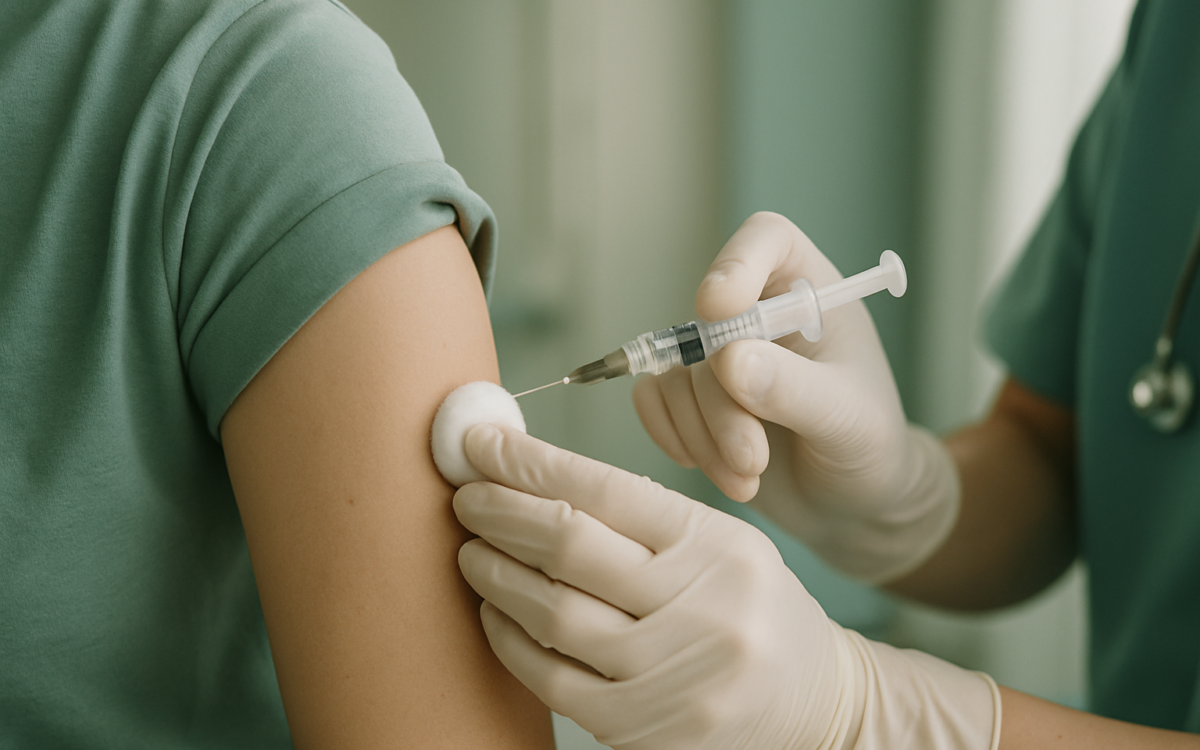
Vaccines are one of the most effective tools we have in preventing serious diseases. As our understanding of health and disease prevention evolves, so do the requirements surrounding vaccinations. Knowing which vaccines are required, and why they matter, can empower individuals and families to make informed choices about their health.
What Are Vaccine Requirements?
Vaccine requirements vary by location, age, and health status, but they generally refer to the vaccines that individuals must receive to attend school, work, or participate in certain activities. These requirements are established by health authorities to ensure public safety and prevent outbreaks of diseases.
The Importance of Vaccines
Vaccines protect not just individuals but entire communities. When a large percentage of the population is vaccinated, it creates herd immunity, making it difficult for diseases to spread. This community immunity is crucial for protecting vulnerable populations, such as infants, the elderly, and those with weakened immune systems.
Who Requires Vaccines?
Vaccines are typically required for:
- Children: Most schools require children to be vaccinated against certain diseases before they can enroll. These may include measles, mumps, rubella (MMR), and DTaP (diphtheria, tetanus, and pertussis).
- Healthcare Workers: Many healthcare facilities mandate that staff receive specific vaccines, like the influenza vaccine, to reduce the risk of transmitting illnesses to patients.
- International Travelers: Some countries require proof of vaccination for diseases such as yellow fever or hepatitis A before allowing entry.
- College Students: Many colleges and universities have vaccination requirements, especially for those living in dormitories.
Types of Vaccines Typically Required
The vaccines required vary by region but often include:
- MMR Vaccine: Protects against measles, mumps, and rubella.
- DTaP Vaccine: Provides protection against diphtheria, tetanus, and pertussis.
- Polio Vaccine: Protects against poliomyelitis.
- Hepatitis B Vaccine: Protects against hepatitis B virus infection.
- Varicella Vaccine: Protects against chickenpox.
- COVID-19 Vaccine: In some areas, proof of vaccination against COVID-19 may be required for public gatherings or travel.
How Are Vaccine Recommendations Made?
Vaccine recommendations are based on extensive research and public health needs. Organizations such as the Centers for Disease Control and Prevention (CDC) and the World Health Organization (WHO) analyze data on disease outbreaks, vaccine efficacy, and demographic information to establish guidelines. The goal is to predict how vaccines can protect the population from various infectious diseases. For example, the CDC’s immunization schedules are regularly updated to reflect the latest findings and recommendations.
Exemptions and Requirements for Vaccination
While vaccines are crucial for public health, some individuals may qualify for exemptions. Exemptions can be medical, religious, or philosophical. Medical exemptions are typically granted to individuals with specific health conditions that prevent them from receiving vaccines. Religious or philosophical exemptions can vary by state and may require documentation or vaccination education. It’s essential to consult your local health department for the rules that apply to your region.
When to See a Doctor
If you have concerns about vaccines, such as potential side effects, allergies, or if you’re unsure whether you’re up to date on your vaccinations, it’s a good idea to consult your healthcare provider. They can answer your questions and help you to understand which vaccines you may need based on your age, health status, and lifestyle.
Conclusion
Vaccine requirements are an essential piece of the public health puzzle, working to safeguard communities and prevent disease outbreaks. Understanding these requirements helps individuals make informed health choices. If you or your family members have questions or concerns about vaccines, don’t hesitate to reach out to your healthcare provider for guidance. For reliable information, resources like the CDC or the WHO can provide helpful insights.
