
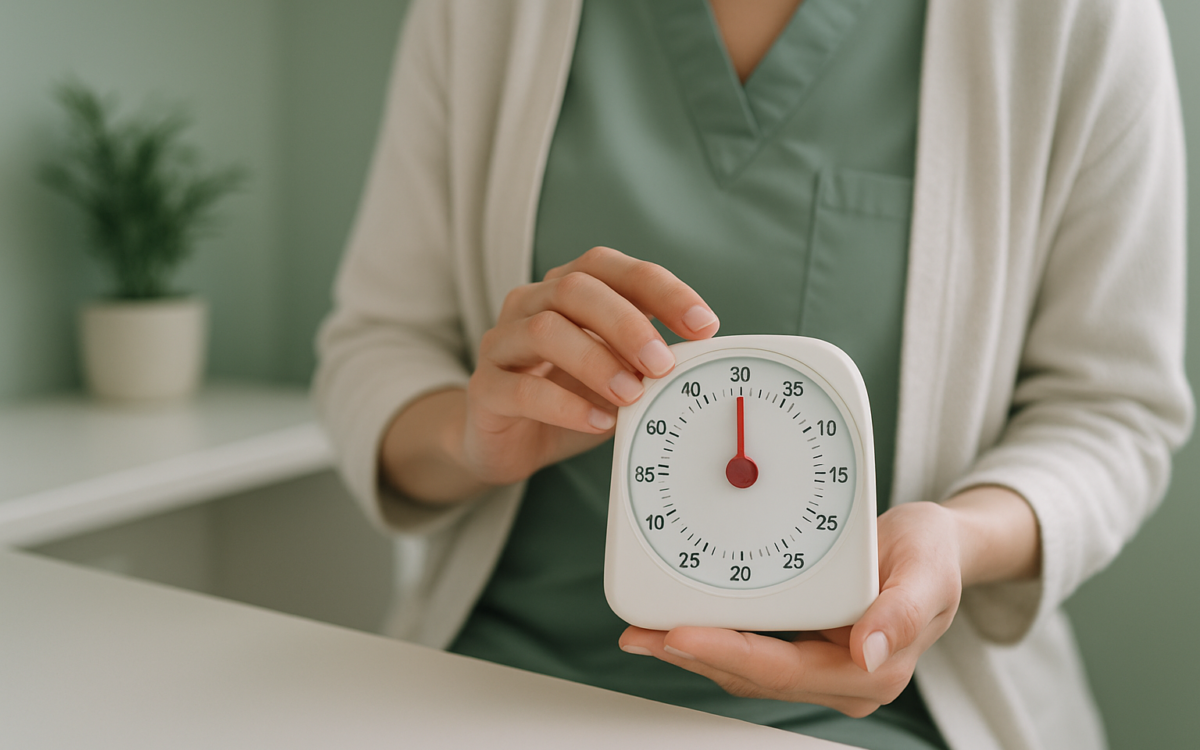
In our fast-paced world, time often feels like a precious commodity. But have you ever considered how just 30 minutes can make a significant difference in your day? This article explores the myriad ways you can utilize a simple half-hour to enhance your health, productivity, and mental well-being. From exercise to mindfulness, discover how to maximize these time blocks to cultivate a healthier lifestyle.
Transforming Your Fitness Routine
Thirty minutes is an ideal length of time for a workout, whether you’re a fitness beginner or a seasoned athlete. Numerous studies suggest that engaging in moderate-intensity exercise for at least 150 minutes a week can improve overall health, including reducing the risk of chronic diseases such as heart disease and type 2 diabetes (CDC). Utilizing 30-minute time blocks for exercise can help you integrate physical activity seamlessly into your daily routine.
Effective Workouts in Short Bursts
You don’t need hours at the gym to get a good workout. Here are a few effective 30-minute workout ideas:
- High-Intensity Interval Training (HIIT): A combination of short bursts of intense activity followed by brief rest periods. You can do bodyweight exercises or use weights.
- Yoga: Just 30 minutes of yoga can increase flexibility, strength, and mental clarity. Plus, it reduces stress and anxiety.
- Walking or jogging: A brisk walk or light jog can boost cardiovascular health and improve mood.
Finding a workout you enjoy is key to sticking with an exercise regimen. Aim for variety, and you might find that 30 minutes flies by!
Mindfulness and Mental Health
Alongside physical health, mental health is equally important. The practice of mindfulness can significantly enhance your mental well-being. Allocating just 30 minutes to mindfulness exercises can improve your emotional health and help manage stress. According to the National Institutes of Health (NIH), mindfulness practices can lead to reductions in symptoms of anxiety and depression.
Simple Mindfulness Techniques
Here are a few mindfulness techniques you can practice in 30 minutes or less:
- Guided meditation: Using apps or online videos can help you follow along and focus.
- Deep breathing exercises: Spend 10-15 minutes focusing on your breath, allowing yourself to relax and center.
- Gratitude journaling: Take a few minutes to write down what you are thankful for. This can shift your mindset positively.
Making mindfulness part of your daily routine helps foster a sense of peace and balance in your life at minimal time commitment.
Time for Food: Healthy Meal Prep
When it comes to eating well, 30 minutes can also be the key to planning nutritious meals. Preparing meals ahead of time can save you effort during the week and encourage healthier eating habits. Studies suggest that meal prep not only promotes better nutrition but can also reduce food waste and save money (Mayo Clinic).
Quick Meal Prep Ideas
If you set aside half an hour for meal prepping, consider these tactics:
- Batch cooking: Prepare large quantities of grains, like quinoa or brown rice, to use in meals throughout the week.
- Chop veggies: Spend some time washing and cutting vegetables to make them easy to grab for snacks or meals.
- Make simple snacks: Prepare healthy snacks like hummus and veggies, or yogurt with fruits to have on hand.
Integrating meal prep into your week can help promote healthier eating and save you time in the long run.
Short Breaks for Productivity
Using 30-minute time blocks effectively can also boost productivity in your professional and personal life. Research indicates that taking regular, short breaks can lead to higher levels of energy and improved focus (NIH). Consider employing the Pomodoro Technique, which involves working for 25 minutes followed by a 5-minute break, and then a longer break after four cycles.
How to Implement the Pomodoro Technique
To apply this strategy:
- Choose a task you want to work on.
- Set a timer for 25 minutes and focus only on that task until the timer goes off.
- Take a 5-minute break before starting another 25-minute focused work session.
This technique helps deepen concentration and stave off mental fatigue. After a couple of hours using this method, you can reward yourself with a longer break.
Creating Personal Connections
Finally, 30 minutes can be a perfect amount of time to engage in activities that foster personal relationships. Whether it’s connecting with family, friends, or colleagues, taking time to talk or spend time together is vital for emotional health. Social connections can help mitigate feelings of loneliness and are linked to significant health benefits.
Ways to Connect
Here are some simple ways to connect in just 30 minutes:
- Phone call: Check in with a family member or friend you haven’t spoken to in a while.
- Walk with a friend: Combine exercise with socializing by going for a walk together.
- Virtual coffee date: Share a coffee over a video call with someone you care about.
Fostering these connections can contribute positively to your overall mental health and well-being.
When to See a Doctor
If you find that despite your efforts to manage your time effectively, you experience ongoing stress, anxiety, fatigue, or other health issues, it may be time to consult a healthcare professional. They can provide tailored advice and support suited to your specific needs.
In conclusion, reallocating just 30 minutes of your day can yield significant returns in health and productivity. Whether you focus on exercise, mindfulness, meal prep, productivity strategies, or nurturing personal connections, these small yet impactful changes can make a difference in enhancing your overall quality of life.
