
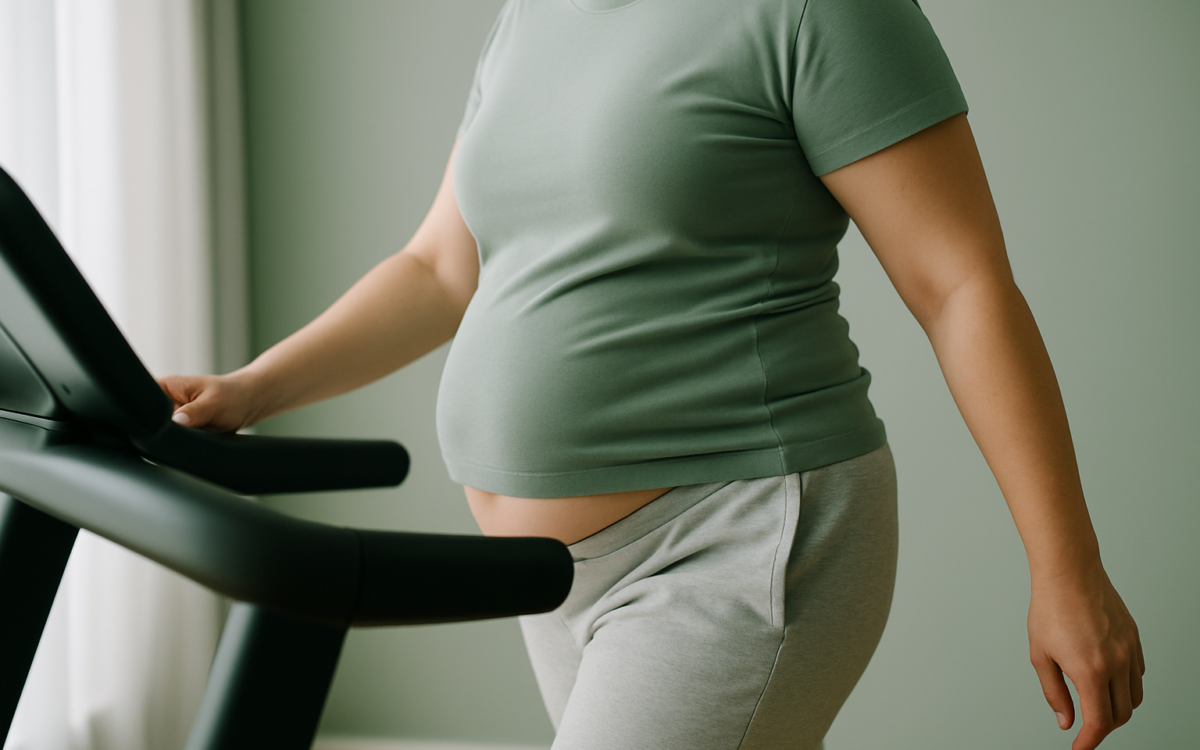
We often hear that exercise is crucial for a healthy body, but when it comes to targeted fat loss, many are left wondering about the best approach. One popular question is: can walking help lose belly fat? Good news for those looking for an accessible and enjoyable form of exercise—walking may indeed play a significant role in reducing belly fat. Let’s explore how walking can be a powerful tool in your journey toward a healthier body.
Understanding Belly Fat
Belly fat, scientifically known as visceral fat, is not only an aesthetic concern but also a health risk factor. It surrounds vital organs and is associated with various diseases, such as diabetes, heart disease, and certain cancers. Understanding the dangers of excess belly fat can motivate individuals to seek effective strategies for weight management and overall health improvements.
How Walking Affects Belly Fat
Walking is a low-impact aerobic exercise that offers numerous benefits. Regular walking can help create a calorie deficit, which is essential for weight loss. When you burn more calories than you consume, your body starts to use stored fat as energy, which includes belly fat. Research indicates that regular physical activity, including walking, can help reduce body fat overall, including in the abdominal area.
Establishing a Routine
Experts recommend aiming for a minimum of 150 minutes of moderate aerobic activity, such as brisk walking, per week. This can be broken down into manageable sessions, like 30 minutes a day, five times a week. Incorporating walking into your daily routine can easily be done in various ways:
- Taking the stairs instead of the elevator.
- Parks or city walking tours as weekend activities.
- Walking during your lunch break or after dinner.
The Science Behind Walking and Fat Loss
Several studies support the benefits of walking for fat loss. A review published in the Journal of Obesity found that participants who engaged in regular walking showed significant reductions in abdominal fat compared to those who did not. Additionally, walking not only aids in fat loss but also contributes to improved overall cardiovascular health, helps maintain muscle mass, and can enhance mood and mental well-being.
Enhancing Your Walking Workouts
To maximize the benefits of walking for belly fat loss, consider incorporating the following strategies:
- Increase Intensity: Walk briskly or include short bursts of speed to elevate your heart rate.
- Add Weights: Use light hand weights or a weighted vest to increase resistance.
- Incorporate Inclines: Walking uphill or on an incline can engage more muscle groups and boost calorie burn.
- Use Pacing: Alternate between walking fast and slow for a form of interval training.
If you have access to a gym or a specific program, consider joining walking clubs or classes that can enhance motivation and accountability. Additionally, international perspectives on health and fitness can offer various techniques to spice up your walking routine. For instance, Acibadem International provides resources on various health initiatives that can complement your walking regimen.
Maintaining a Healthy Diet
While walking is a fantastic way to burn calories, it’s important to pair it with a healthy diet for optimal results. Focus on whole foods such as fruits, vegetables, whole grains, lean proteins, and healthy fats. Staying hydrated is also crucial, as dehydration can lead to fatigue and hinder your walking performance.
Tracking Progress and Setting Goals
To ensure you are on track, consider using fitness tracking apps or pedometers to monitor your daily steps and distance walked. Setting realistic goals can motivate you to keep moving forward. For example, if you currently walk 5,000 steps a day, aim for a total of 7,500 and gradually work your way up. Remember that every step counts!
When to See a Doctor
If you experience any unusual pain, persistent discomfort, or if you have pre-existing health conditions, it’s advised to consult your doctor before starting any new exercise regimen. They can provide personalized advice based on your health status.
In summary, walking is an effective and enjoyable way to help reduce belly fat. By establishing a consistent walking routine, enhancing your workouts, maintaining a healthy diet, and tracking your progress, you can move closer to achieving your fitness goals. Plus, the numerous health benefits that come with regular walking make it a win-win for both body and mind!
