
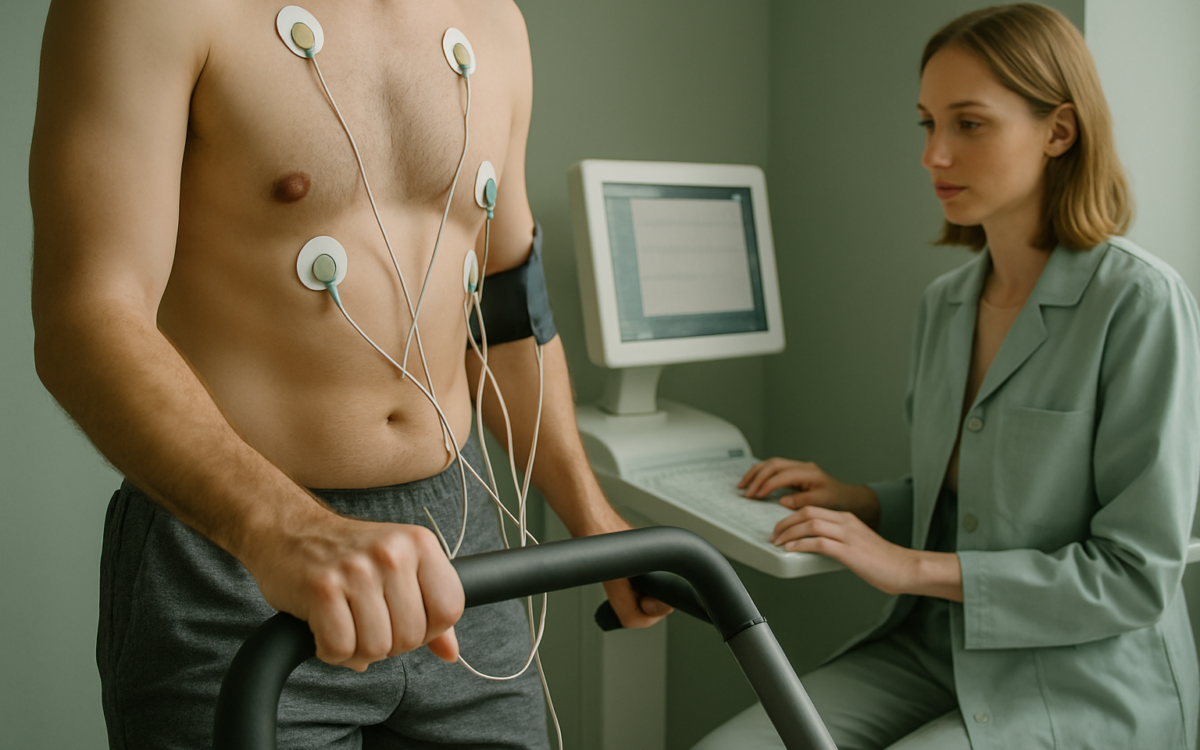
Cardio tests are essential tools for assessing heart health and diagnosing conditions before they become serious. Whether you’re experiencing symptoms or are at risk due to lifestyle choices or family history, understanding what these tests entail can empower you to take charge of your cardiovascular health.
What is a cardio test?
A cardio test, or cardiac test, refers to various procedures designed to measure how well your heart is functioning. These tests can help doctors evaluate how blood moves through your heart and how well your body receives oxygen. Common types of cardio tests include:
- Electrocardiogram (ECG or EKG): Records the electrical activity of the heart.
- Stress Testing: Assesses how your heart performs under physical exertion.
- Echocardiogram: Uses sound waves to create images of your heart.
- Holter Monitor: A portable device worn to continuously monitor heartbeats over a period of time.
Why are cardio tests important?
Cardio tests play a crucial role in identifying potential heart-related issues. Many heart problems develop gradually and may not present noticeable symptoms in their early stages. Cardio tests can:
- Detect abnormalities: Identify issues such as arrhythmias, blocked arteries, or structural problems.
- Assess risk factors: Help evaluate conditions like high blood pressure or high cholesterol levels.
- Guide treatment decisions: Enable your healthcare provider to recommend lifestyle changes or treatment options based on test results.
When are cardio tests recommended?
Your doctor may recommend cardio tests if you have risk factors for heart disease, such as:
- Family history of heart problems
- Obesity
- High blood pressure
- Diabetes
- Smoking
- High cholesterol levels
Additionally, if you experience symptoms like chest pain, shortness of breath, or palpitations, your doctor may suggest a cardio test to determine the cause of these issues. Early detection can often lead to more effective treatment and better health outcomes.
Types of cardio tests explained
Electrocardiogram (ECG)
An ECG is a quick and painless test that records the heart’s electrical activity. Electrodes are placed on your chest, arms, and legs to capture this information. An ECG can identify abnormal heart rhythms (arrhythmias), heart attacks, and other heart conditions.
Stress Testing
A stress test, or exercise test, evaluates how your heart responds to physical activity. You may be asked to walk on a treadmill or ride a stationary bike while your heart rate, blood pressure, and ECG are monitored. This test helps identify issues that may only occur when your heart is under stress.
Echocardiogram
The echocardiogram uses sound waves to produce moving images of your heart. A transducer is placed on your chest, and the images help doctors assess the heart’s structure and function. This test can visualize heart size, chamber function, and abnormalities in heart muscle or valves.
Holter Monitor
A Holter monitor is a portable ECG device worn for 24-48 hours to continuously record the heart’s rhythm. This test captures data on heart activity throughout your daily routines, helping to identify intermittent problems that a standard ECG may miss.
Preparing for your cardio test
Preparation for a cardio test can vary depending on the specific type of test being performed. In general, here are a few tips to help you get ready:
- Follow instructions: Your doctor will provide specific instructions regarding food, medications, and activities. Be sure to follow these closely.
- Dress comfortably: Wear loose, comfortable clothing, especially for stress tests that involve exercise.
- Avoid stimulants: Avoid caffeine and other stimulants before tests, as these can affect results.
Understanding the results
After your cardio test, your healthcare provider will schedule a follow-up appointment to discuss the results. Understanding your test results is crucial:
- Normal results indicate that your heart is functioning well.
- Abnormal results may lead to further testing or treatment options.
- Discuss any lifestyle changes or medications to manage your heart health.
If you have questions regarding your results, don’t hesitate to ask your healthcare provider for clarification. They can explain what the results mean for your health and any next steps.
When to see a doctor
It’s essential to consult with your doctor if you experience:
- Chest pain or discomfort
- Shortness of breath
- Palpitations or irregular heartbeats
- Dizziness or fainting
These symptoms may indicate an underlying heart condition and require immediate attention.
In conclusion, cardio tests are valuable tools for assessing heart health and helping prevent serious cardiovascular issues. By understanding the types of tests available, their importance, and how to prepare, you can take proactive steps towards a healthier heart. Always consult your healthcare provider for guidance tailored to your specific situation.
