
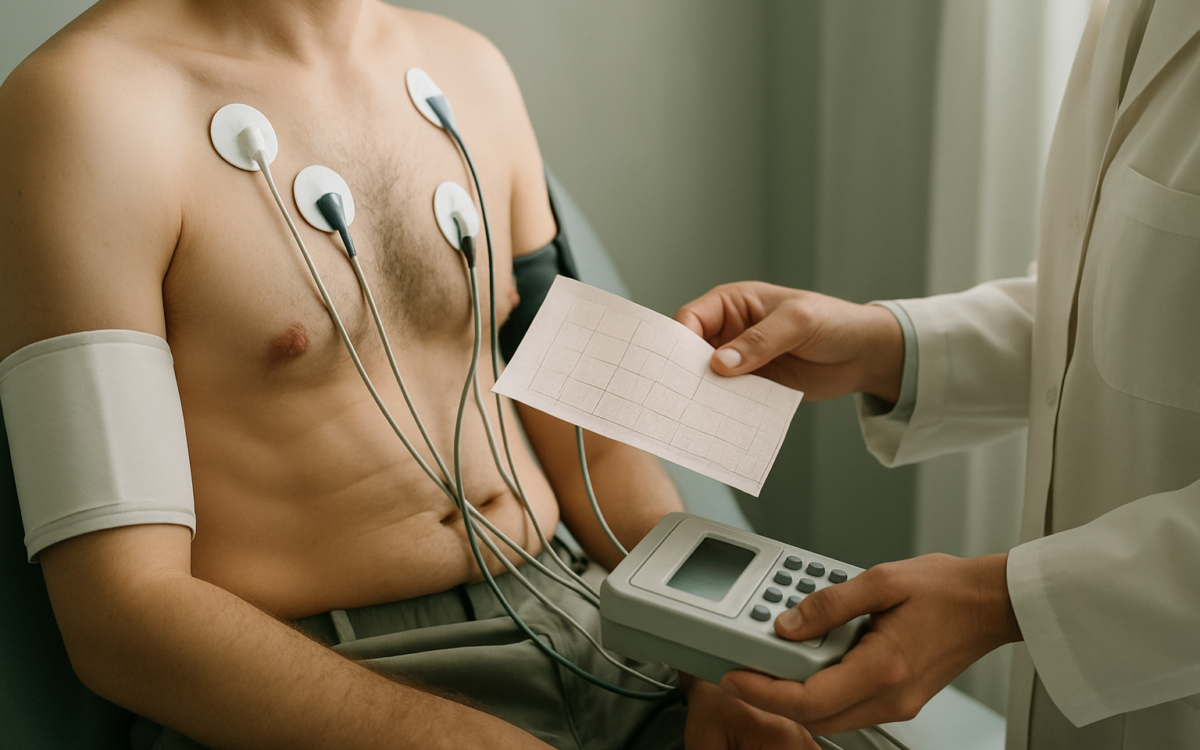
Your heart is one of the most vital organs in your body, and taking care of it is crucial for a long, healthy life. If you experience symptoms like chest pain, shortness of breath, or fatigue, your doctor may recommend a cardiology test. These tests help to assess the health of your heart and detect potential issues before they become serious problems. Understanding these tests can empower you to make informed decisions about your heart health.
What are cardiology tests?
Cardiology tests are specialized procedures used to evaluate the function and structure of the heart. They can help diagnose heart conditions, assess the effectiveness of treatments, or monitor overall heart health. These tests vary in complexity and scope, but they all aim to provide clear insights into how well your heart is working.
Common types of cardiology tests
There are several types of cardiology tests, each serving a unique purpose. Here are some of the most common:
- Echocardiogram: This ultrasound test uses sound waves to create images of the heart. It allows doctors to see the heart’s size, shape, and function, making it useful for diagnosing various heart conditions.
- Electrocardiogram (ECG or EKG): This test measures the electrical activity of your heart. It can detect irregular heartbeats, arrhythmias, and signs of previous heart attacks.
- Stress test: A stress test assesses how your heart performs under physical stress, typically by having you walk on a treadmill while your heart rate and rhythm are monitored. This test helps diagnose coronary artery disease and other heart conditions.
- Coronary angiography: This test uses imaging to see the heart’s blood vessels and can identify blockages. A contrast dye is injected to make the vessels visible on X-ray images.
- Holter monitor: Wearing a Holter monitor involves continuous ECG monitoring, usually over 24-48 hours. This test helps capture irregular heart rhythms that may not be detected during a standard ECG.
Why are cardiology tests important?
Heart disease is often preventable, especially when detected early. Cardiology tests can identify risk factors and conditions, allowing for timely interventions. The information gathered from these tests aids doctors in developing personalized treatment plans. Early detection can lead to better outcomes, reducing the chances of severe complications down the road.
What to expect during cardiology tests
Understanding what to expect during a cardiology test can alleviate anxiety. Most tests are non-invasive and relatively quick. Here’s a brief overview of what you can anticipate during the most common tests:
Echocardiogram
You’ll lie on an exam table, and a technician will place gel on your chest to improve the quality of the images. A wand-like device called a transducer will be moved over your chest. The test usually lasts 30 to 60 minutes.
Electrocardiogram (ECG)
This test typically takes about 10 minutes. Small electrodes are placed on your chest, arms, and legs. You’ll be asked to relax while the machine records your heart’s electrical activity. It’s painless and non-invasive.
Stress test
For a typical stress test, you’ll either walk on a treadmill or receive medication to stress the heart. You’ll be monitored throughout the process. The entire appointment may last about an hour, including prep time.
International perspectives on cardiology testing
While cardiology tests are widely available, access can vary significantly depending on geographical location. Some patients explore options for treatment in Turkey, taking advantage of the country’s advanced healthcare system. In recent years, Turkey has developed a reputation for high-quality medical care at competitive prices. Many hospitals use cutting-edge technology and employ skilled professionals who are trained in various cardiology procedures.
Understanding test results
Test results depend on various factors, including the type of test performed and the individual’s specific health circumstances. Here are some general terms to help you understand the outcomes:
- Normal Result: This indicates that no significant problems were found during the test.
- Abnormal Result: An abnormal result often means further testing or treatment is needed. However, not all abnormal findings indicate a severe issue. Your doctor will explain the results in context.
- Monitoring Needed: Sometimes, doctors will recommend regular monitoring if a potential issue is detected. This allows them to track any changes over time.
When to see a doctor
If you experience symptoms such as chest pain, shortness of breath, or sudden fatigue, it’s important to consult a healthcare professional immediately. Additionally, regular check-ups are essential for those with a family history of heart disease or other risk factors. Discuss with your doctor about whether you should undergo cardiology testing based on your health history and lifestyle.
In conclusion, staying informed about cardiology tests empowers you to take charge of your heart health. By understanding what these tests entail and why they’re crucial, you can better engage in conversations with your healthcare provider and take proactive steps towards maintaining a healthy heart.
