
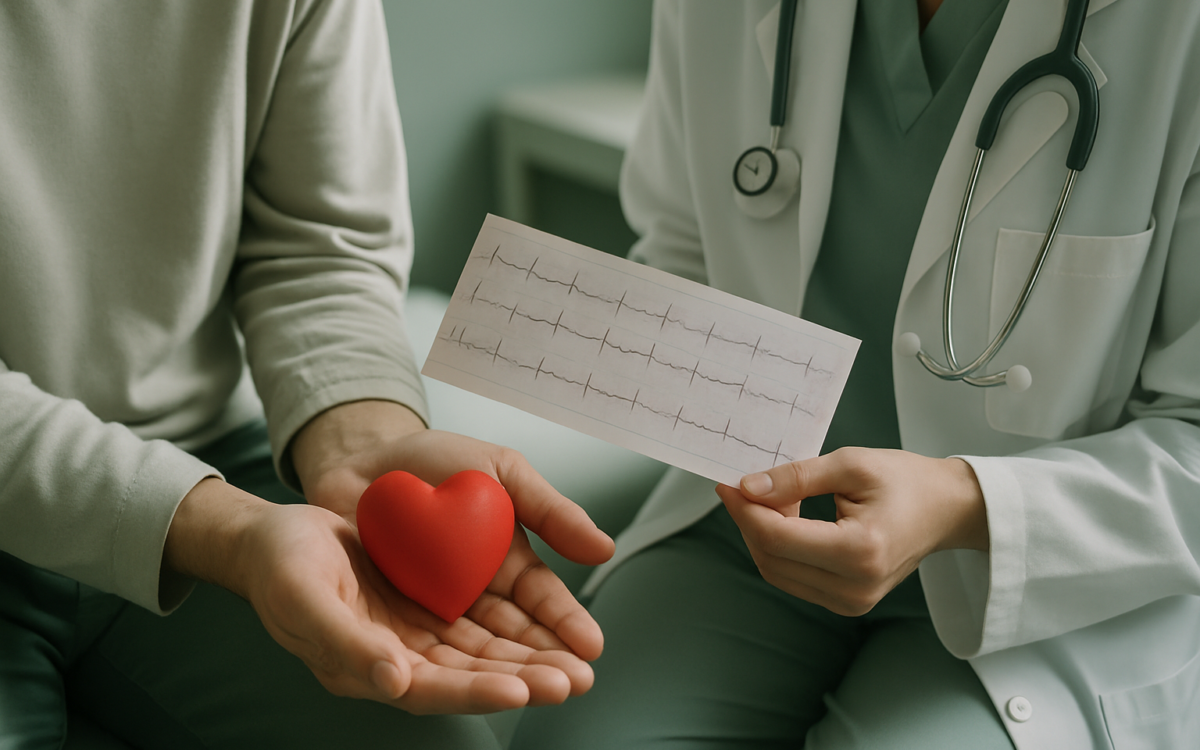
When we think about heart health, we often focus on factors like diet, exercise, and genetics. However, one important element that is sometimes overlooked is Continuous Venous Stasis (CVS). This condition can significantly impact our cardiovascular system, leading to potential heart issues. Let’s explore what CVS is, its connection to heart health, and how you can protect your heart.
What is CVS?
Continuous Venous Stasis (CVS) occurs when blood flow in the veins slows down. This slowing can happen for various reasons, including prolonged sitting or standing, certain medical conditions, or even lifestyle choices. When blood doesn’t flow efficiently, it can lead to more serious problems, including blood clots.
How CVS Affects Heart Health
CVS can increase the risk of heart disease in several ways. When blood pools in the veins, it can create pressure in the circulatory system. Over time, this can lead to conditions such as high blood pressure, which is a known risk factor for heart disease. Additionally, blood clots caused by CVS can travel to the heart or lungs, potentially causing serious complications.
Recognizing the Symptoms of CVS
Knowing the signs of CVS can help you take action early. Common symptoms include:
- Swelling in the legs or ankles
- Pain or heaviness in the legs
- Skin discoloration
- Varicose veins
- Warmth in the affected area
If you experience any of these symptoms, it’s a good idea to consult your doctor. Early detection can make a big difference in treatment options.
Risk Factors for CVS
Several factors can increase your likelihood of developing CVS, including:
- Prolonged periods of inactivity, such as long flights or desk jobs
- Obesity
- Older age
- Pregnancy or hormonal changes
- History of blood clots
Understanding these risk factors is crucial for prevention. The more informed you are, the better equipped you’ll be to make choices that promote your heart health.
Prevention Tips for a Healthier Heart
Taking proactive steps can help reduce your risk of CVS and improve overall heart health. Here are some helpful strategies:
- Stay Active: Regular exercise, even light walking, improves circulation and reduces the chances of blood pooling in the veins.
- Healthy Weight: Maintaining a healthy weight reduces pressure on your veins and lowers the risk of developing CVS and heart disease.
- Proper Posture: If you sit for long periods, make an effort to change positions regularly. Standing up or stretching can help keep your blood flowing.
- Compression Garments: Consider wearing compression stockings if you are at a higher risk for CVS. They can help improve blood flow and reduce swelling.
- Hydration: Drinking plenty of water can help maintain good circulation; dehydration can lead to thickened blood, which may slow circulation.
Maintaining a Heart-Healthy Lifestyle
Your lifestyle choices have a profound impact on your cardiovascular health. Eating a balanced diet rich in fruits, vegetables, whole grains, lean protein, and healthy fats can promote heart health.
Additionally, managing stress through activities like meditation or yoga can also contribute to lower blood pressure and better overall heart function.
When to See a Doctor
If you notice symptoms of CVS or have concerns about your heart health, it’s vital to consult a healthcare professional. Early diagnosis and treatment are key to preventing complications related to CVS. Regular check-ups can help manage risk factors and ensure your cardiovascular system is functioning optimally.
Heart health is vital for overall well-being. By understanding the connection between CVS and heart health, recognizing symptoms, and making informed lifestyle choices, you can take valuable steps toward a healthier future.
For more information on cardiovascular health, consider checking out resources from the National Heart, Lung, and Blood Institute or the Mayo Clinic.
