
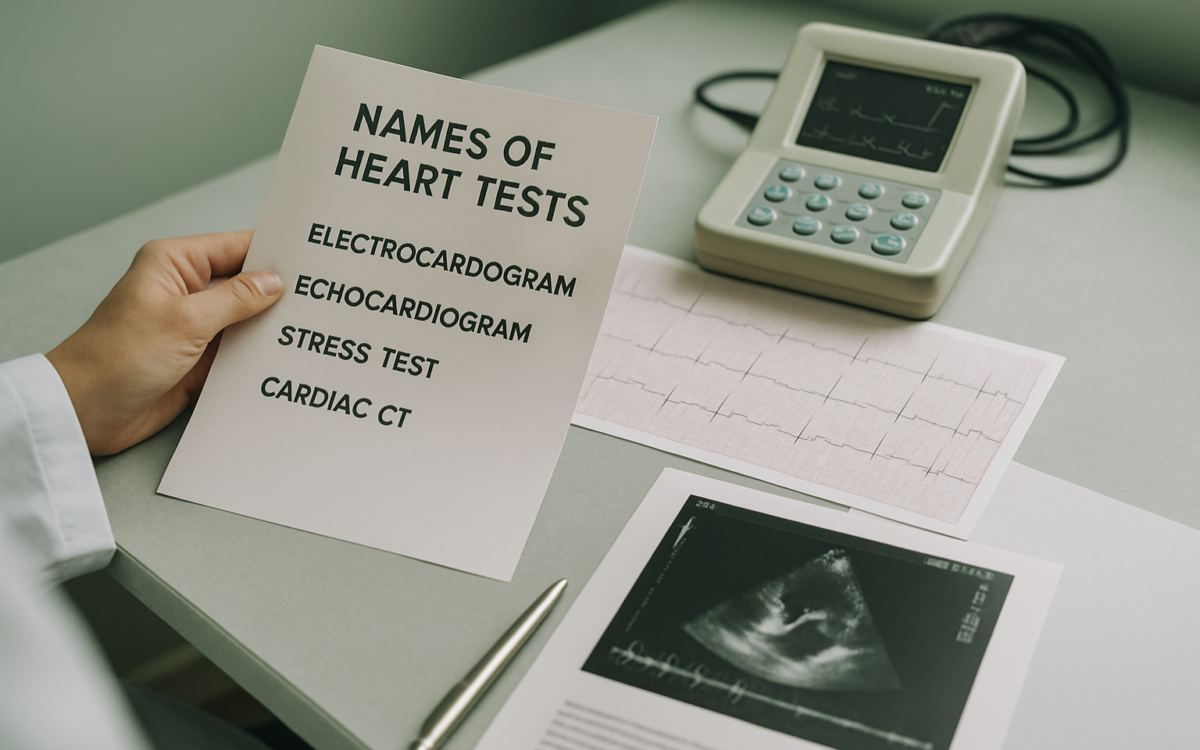
When it comes to understanding heart health, one of the most important steps is participating in various tests. These tests can help identify potential issues before they lead to serious conditions. Knowing the different types of heart tests can empower you to have more informed discussions with your healthcare provider.
Electrocardiogram (ECG or EKG)
An electrocardiogram is one of the most common heart tests. It records the electrical activity of your heart through small electrodes placed on your skin. The results can show abnormalities in heart rhythm, size, and structure, helping to diagnose conditions like arrhythmias, heart attacks, and other heart diseases. This test usually takes about 10 minutes and is painless.
Echocardiogram
The echocardiogram, often referred to as an echo, uses sound waves to create images of the heart. This test provides information about the heart’s chambers, valves, and overall function. There are different types of echocardiograms, including:
- Transthoracic echocardiogram (TTE): The most common type, where a transducer is placed on the chest.
- Transesophageal echocardiogram (TEE): A more invasive procedure that provides clearer images, requiring the insertion of a probe down the esophagus.
This test helps detect conditions such as heart murmurs, valve disorders, and congenital heart defects. More details can be accessed through sources like the Mayo Clinic.
Stress Test
A stress test checks how your heart performs under physical stress. You may be asked to walk on a treadmill or ride a stationary bike while your heart rate and rhythm are monitored. For individuals who cannot exercise, medications are available to stimulate the heart. Stress tests are essential for assessing heart health during exercise and help diagnose coronary artery disease, arrhythmias, and other cardiovascular issues.
Holter Monitor
A Holter monitor is a portable device worn for 24-48 hours that continuously records your heart’s rhythm. This test may identify irregular heartbeats that might not show up during a standard EKG. The monitor’s data can help determine if further investigation or treatment is necessary. Typically, you can go about your daily activities while wearing this device, and your doctor will review the results soon after.
Coronary Angiography
Coronary angiography, often done in conjunction with a cardiac catheterization, is used to visualize the blood vessels in the heart. A thin tube, called a catheter, is inserted into a blood vessel, usually in the arm or groin, and guided to the coronary arteries. A special dye is injected, which makes the arteries visible on X-ray images. This test helps diagnose blockages or narrowing of the blood vessels, allowing doctors to recommend treatments such as stenting or bypass surgery. Additional information on angiography can be found through resources like the Cleveland Clinic.
Blood Tests
While they may not seem like traditional heart tests, blood tests can provide valuable information about heart health. Tests such as lipid panels evaluate cholesterol levels, and blood tests for biomarkers can help assess the risk of heart attacks or heart failure. One commonly referenced biomarker is troponin, which elevates when there is damage to heart muscle. Regular blood tests are crucial for monitoring overall health and assessing cardiovascular risk factors.
When to See a Doctor
It’s essential to prioritize your heart health by staying informed about potential symptoms and risk factors. If you experience symptoms such as unexplained chest pain, shortness of breath, palpitations, or dizziness, you should consult a healthcare professional immediately. Routine check-ups can also help catch any complications early on.
Understanding the names and functions of various heart tests is crucial for staying proactive about your cardiovascular health. Regular screenings and early detection can lead to more effective management of any conditions, ensuring you maintain a healthy heart.
