
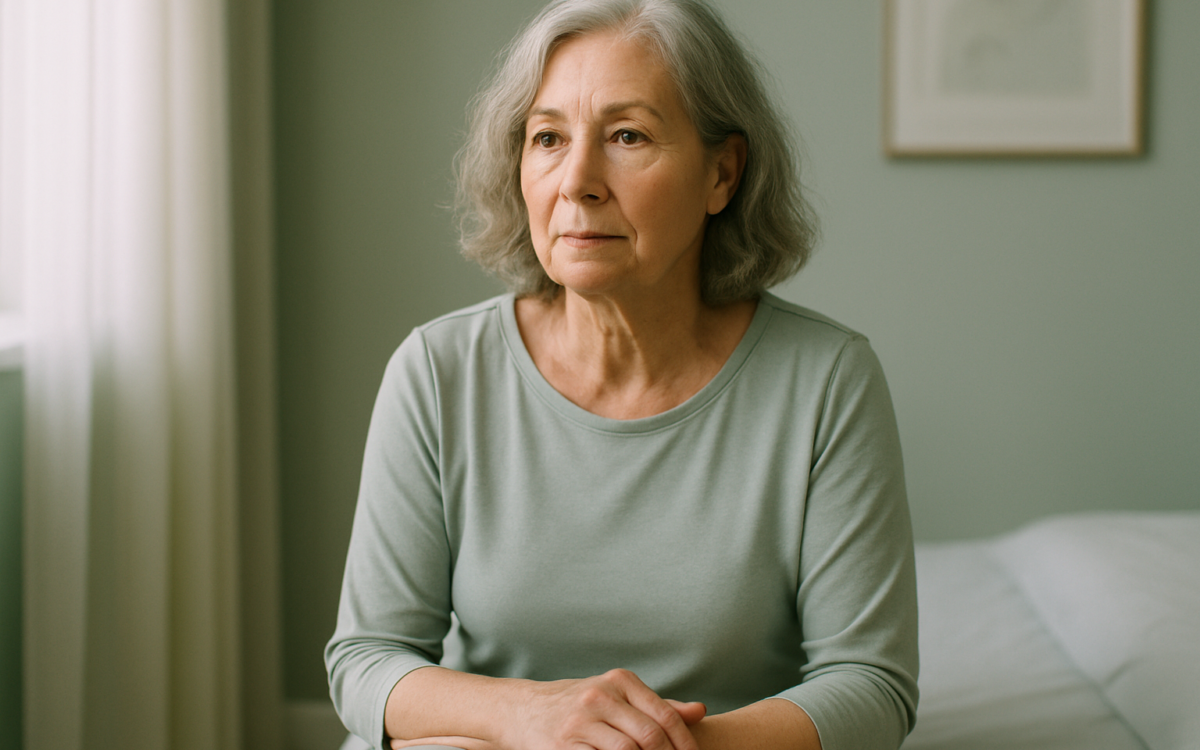
Turning 62 can be a pivotal time in a woman’s life. It often marks the transition into retirement, new hobbies, and shifting health needs. While every woman is unique, this age can bring specific health considerations that are important to address. Understanding how to embrace this stage with vitality can empower women to lead healthy and fulfilling lives.
Navigating Common Health Changes
As women age, they may experience various health changes due to hormonal shifts, lifestyle factors, and genetic predispositions. Understanding these can aid in proactive healthcare.
Menopause and Beyond
For women around the age of 62, menopause has likely occurred or is approaching. This transition can bring symptoms such as hot flashes, mood swings, and sleep disturbances. It’s crucial to discuss any uncomfortable symptoms with a healthcare provider, as they can suggest treatment options that may include hormone replacement therapy or lifestyle changes. The National Heart, Lung, and Blood Institute provides excellent resources for understanding menopause and the heart’s health implications post-menopause.
Prioritizing Nutrition
A balanced diet tailored to a 62-year-old woman’s needs can significantly influence overall health. It’s essential to focus on nutrient-dense foods to maintain energy levels, support bone health, and prevent chronic diseases.
Key Nutritional Guidelines
- Calcium and Vitamin D: These nutrients are crucial for bone strength, especially post-menopause. Foods rich in calcium include dairy products, leafy green vegetables, and fortified foods, while vitamin D can be obtained from sunlight exposure and supplements.
- Fiber-Rich Foods: Incorporating whole grains, fruits, and vegetables can help promote digestive health and maintain a healthy weight.
- Heart-Healthy Fats: Focus on sources of omega-3 fatty acids, such as fish, walnuts, and flaxseeds, which benefit heart health.
Consulting a registered dietitian can provide personalized nutritional guidance, which may also help manage health conditions like diabetes or high blood pressure.
Understanding Physical Activity
Staying active becomes increasingly important as women age. Regular physical activity can help maintain muscle strength, improve flexibility, and enhance mental health.
Recommended Activities
Incorporating a mix of aerobic, strength, flexibility, and balance exercises into the weekly routine is beneficial. Here are some activities to consider:
- Aerobic exercises: Walking, swimming, and cycling can boost cardiovascular health.
- Strength training: Lifting light weights or using resistance bands can help maintain muscle mass and bone density.
- Yoga and stretching: These practices improve flexibility and can alleviate stress.
The Centers for Disease Control and Prevention (CDC) suggests aiming for at least 150 minutes of moderate aerobic activity each week, alongside strength training on two or more days.
Addressing Mental and Emotional Wellbeing
Health is not only about the body; mental health is equally important. At 62, women may face loneliness, anxiety, or depression. Addressing these feelings can enhance overall life satisfaction.
Strategies for Mental Wellbeing
- Stay socially active: Engaging with friends and family or joining clubs can foster connection and provide support.
- Pursue hobbies: Taking up new interests, such as art, gardening, or learning a musical instrument, can stimulate the mind and provide enjoyment.
- Mindfulness and meditation: These practices can decrease stress and improve emotional resilience.
If feelings of sadness or anxiety persist, seeking help from a mental health professional can be beneficial.
Preventative Health Screenings
Regular health screenings are essential, especially for women over 60. They can catch potential health issues early, leading to more effective treatment.
Important Screenings for Women at 62
- Mammograms: Women should discuss the frequency of breast cancer screenings with their healthcare provider.
- Pap Smear and Pelvic Exam: These exams are crucial for early detection of cervical cancer and reproductive health checks.
- Blood Pressure and Cholesterol Checks: Regular monitoring can help manage heart health.
- Bone Density Test: This test assesses the risk of osteoporosis, a common concern post-menopause.
The Mayo Clinic provides resources on understanding these tests and their significance.
When to See a Doctor
It’s important for women at 62 to have regular check-ups and to consult a doctor if they notice any worrisome symptoms, such as:
- Unexplained weight loss or gain
- Severe mood changes
- Persistent pain or discomfort
- Changes in appetite or sleep patterns
If these symptoms persist, seeking medical advice can ensure that any potential issues are addressed promptly.
Conclusion
At 62, women have a wealth of opportunities to maintain and enhance their health and wellbeing. By embracing good nutrition, staying active, nurturing mental health, and engaging with routine health screenings, every woman can take proactive steps toward a vibrant future. Consulting healthcare providers can make this journey smoother, empowering women to thrive in their golden years.
