
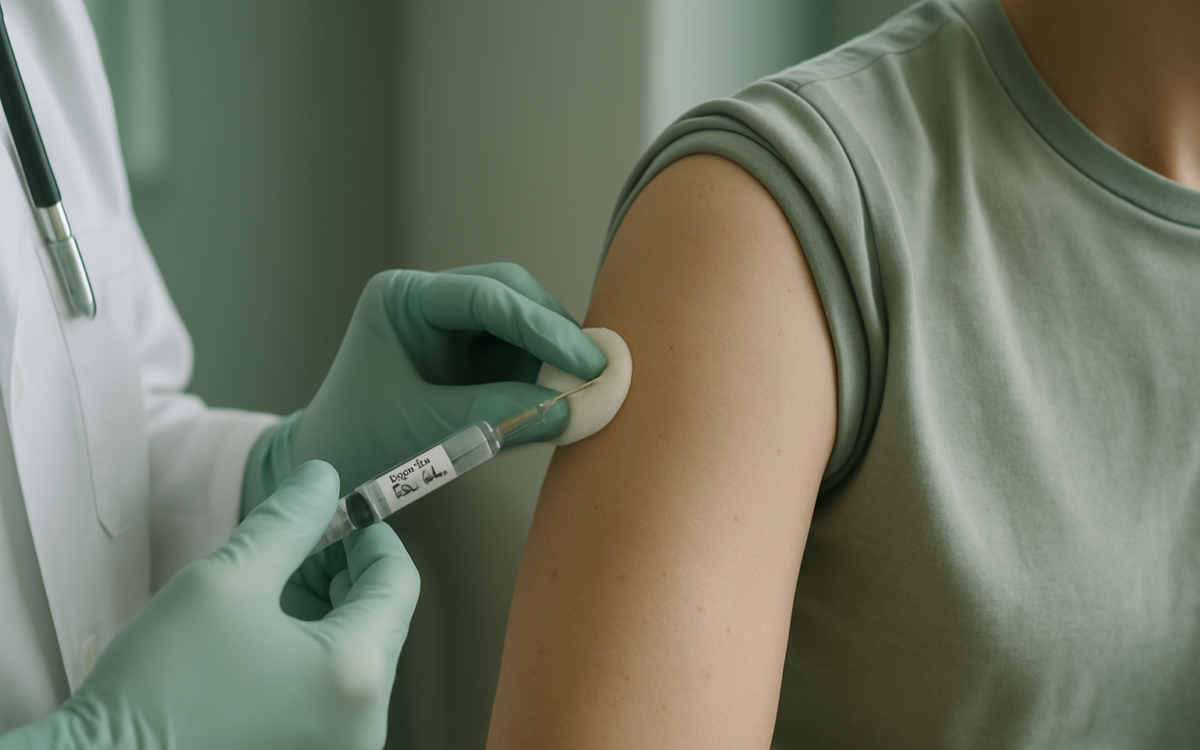
Getting vaccinated is one of the most effective ways to protect yourself from serious diseases, and Hepatitis B is no exception. As a viral infection that can lead to severe liver issues, understanding how often you need the Hepatitis B vaccine is essential for maintaining your health. In this article, we will explore the vaccine schedule, who needs it, and why it is so important.
What is Hepatitis B?
Hepatitis B is a liver infection caused by the Hepatitis B virus (HBV). This virus can cause both acute and chronic liver disease. While some people might recover from the infection within a few months, others can develop long-term health issues, including liver cirrhosis and liver cancer.
Why is Vaccination Important?
The Hepatitis B vaccine is crucial because it helps to prevent the spread of the virus. According to the CDC, vaccination can provide lifelong protection for most people. By getting vaccinated, you not only protect yourself but also reduce the risk of transmission to others, particularly in communities where the virus is prevalent.
Vaccine Schedule: How Often Do You Get the Hep B Vaccine?
The Hepatitis B vaccine is usually given in a series of three or four shots, depending on the type of vaccine and your age. Here’s a breakdown of the typical vaccine schedule:
- First Dose: Administered at birth or as soon as a person is at risk.
- Second Dose: Given one month after the first dose.
- Third Dose: Usually given six months after the first dose.
In some cases, a fourth dose may be needed, especially for individuals who are at an increased risk of Hepatitis B infection, such as healthcare workers or those with certain health conditions.
Who Should Get the Hepatitis B Vaccine?
According to the WHO, vaccination against Hepatitis B is recommended for several groups of people:
- All infants at birth
- Children under 18 years
- Adults at high risk, including healthcare workers, people with multiple sexual partners, and people with chronic liver disease
- Anyone traveling to areas where Hepatitis B is common
It is essential to consult your healthcare provider to determine if you should receive the vaccine based on your individual risk factors.
What to Expect After Vaccination
After receiving the Hepatitis B vaccine, some people may experience mild side effects. These can include:
- Soreness at the injection site
- Fatigue
- Low-grade fever
These reactions are usually short-lived and resolve within a few days. Serious side effects are rare but can occur, so it’s important to follow up with your doctor if you have any concerns.
Booster Shots: Do You Need Them?
Generally, most people who complete the vaccination series will have long-lasting immunity. However, some high-risk individuals may need periodic testing to check their antibody levels and possibly receive booster shots. The Mayo Clinic emphasizes the importance of individual assessment for those at higher risk. A healthcare provider can clarify whether you need a booster based on your health status and lifestyle.
When to See a Doctor
If you have any concerns about your risk for Hepatitis B, potential exposure, or if you’re unsure about your vaccination status, it’s best to consult your healthcare provider. They can guide you through the appropriate testing and vaccination options.
Conclusion
Understanding the Hepatitis B vaccine schedule is a vital step in protecting your liver health. By staying informed about when to get vaccinated and who needs the vaccine, you contribute to broader public health efforts. Always seek advice from your healthcare provider to make informed decisions regarding your vaccinations and to ensure you receive the appropriate care tailored to your needs.
