
Hepatitis B is a viral infection that attacks the liver, potentially leading to serious health issues. One of the most effective ways to protect yourself from this virus is through vaccination. But how often do you need a Hepatitis B vaccine? In this article, we will explore the vaccination schedule, who should get vaccinated, and the importance of staying up to date with your Hepatitis B vaccinations.
What is the Hepatitis B vaccine?
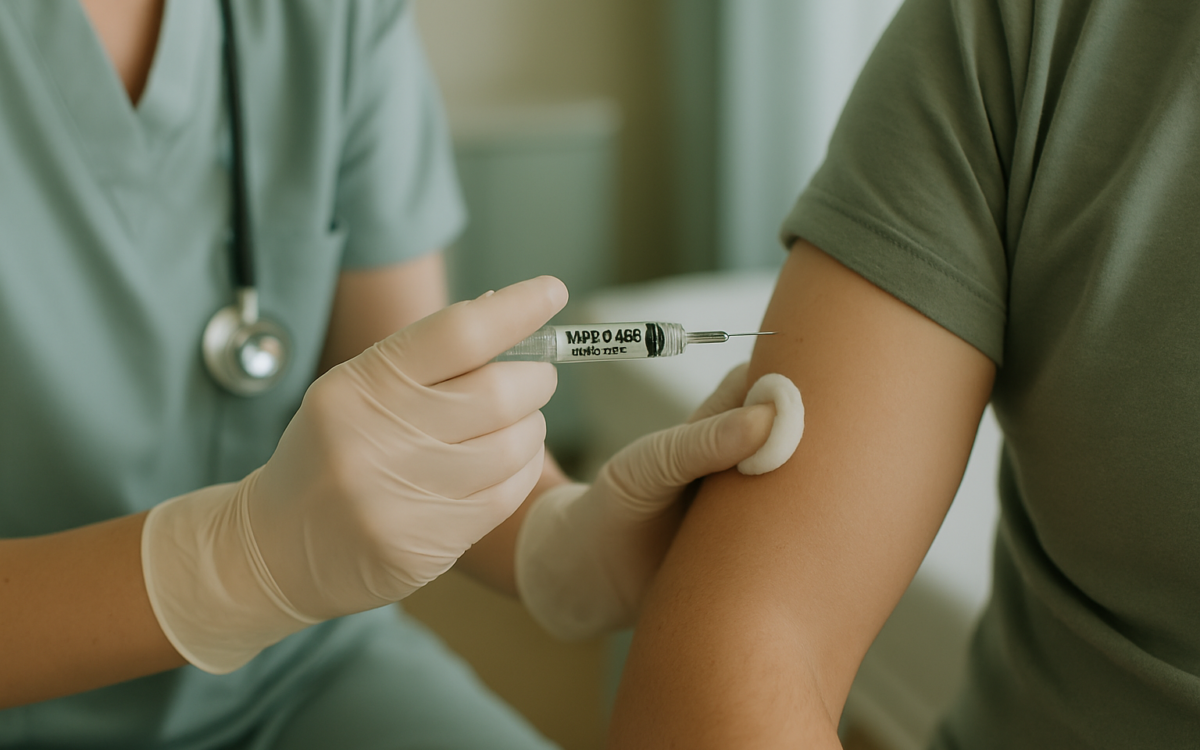
The Hepatitis B vaccine is designed to provide immunity against the Hepatitis B virus. This three-dose vaccine is usually administered through injections in the arm. It’s safe and effective and has been a crucial tool in reducing instances of Hepatitis B infections worldwide. According to the CDC, this vaccine is especially important for young children, health care workers, and others at high risk of exposure.
Who should receive the Hepatitis B vaccine?
The Hepatitis B vaccine is recommended for various groups, including:
- Infants at birth, with the first dose given within 24 hours.
- Children and adolescents younger than 19 who have not been vaccinated yet.
- Adults who are at higher risk, such as health care workers, individuals with multiple sexual partners, and those living with someone infected with Hepatitis B.
- People with certain medical conditions or those who need dialysis.
- Travelers to countries where Hepatitis B is common.
Consulting your healthcare provider can help determine whether you should receive the vaccine based on your individual circumstances.
Vaccination schedule: How often do you need a Hepatitis B vaccine?
The Hepatitis B vaccine is delivered in a series of three doses:
- The first dose is given at birth or in an initial consultation.
- The second dose is administered one to two months after the first dose.
- The third dose is given six months after the first dose.
This vaccination schedule ensures optimal protection against Hepatitis B. Following the complete series is crucial for developing long-term immunity. If any doses are missed, consult your doctor to determine the best way to catch up.
Duration of immunity and booster shots
After completing the vaccination series, you develop immunity to the Hepatitis B virus. Research shows that immunity lasts for at least 20 years in healthy individuals. However, some people, particularly those with compromised immune systems, may require booster shots to maintain adequate immunity levels.
The World Health Organization (WHO) recommends testing for immunity through a blood test for high-risk individuals or those who have conditions affecting their immune systems. This testing can help determine if a booster shot is necessary.
Why is the Hepatitis B vaccine important?
Receiving the Hepatitis B vaccine is crucial for several reasons:
- Prevention of Liver Disease: Hepatitis B can lead to chronic liver diseases, including cirrhosis and liver cancer. Vaccination significantly lowers these risks.
- Community Health: Vaccination helps protect not only the individual but also the community by reducing the overall spread of the virus.
- Travel Safety: If you plan to travel to areas where Hepatitis B is prevalent, being vaccinated prevents potential infection.
By getting vaccinated, you play a part in controlling Hepatitis B on both a personal and global scale.
When to see a doctor
If you are unsure about your Hepatitis B vaccination status or if you need additional doses, it’s important to consult your healthcare provider. They can assess your risk factors, determine if you need the vaccine, and guide you through the vaccination schedule.
Conclusion
The Hepatitis B vaccine offers an effective and proven method of protecting yourself against a potentially dangerous virus. Understanding when and how often to get vaccinated is key to ensuring long-lasting immunity. By keeping your vaccinations up to date, you contribute to your health and the health of those around you. Always consult your healthcare provider for personalized advice and recommendations tailored to your specific needs.
