
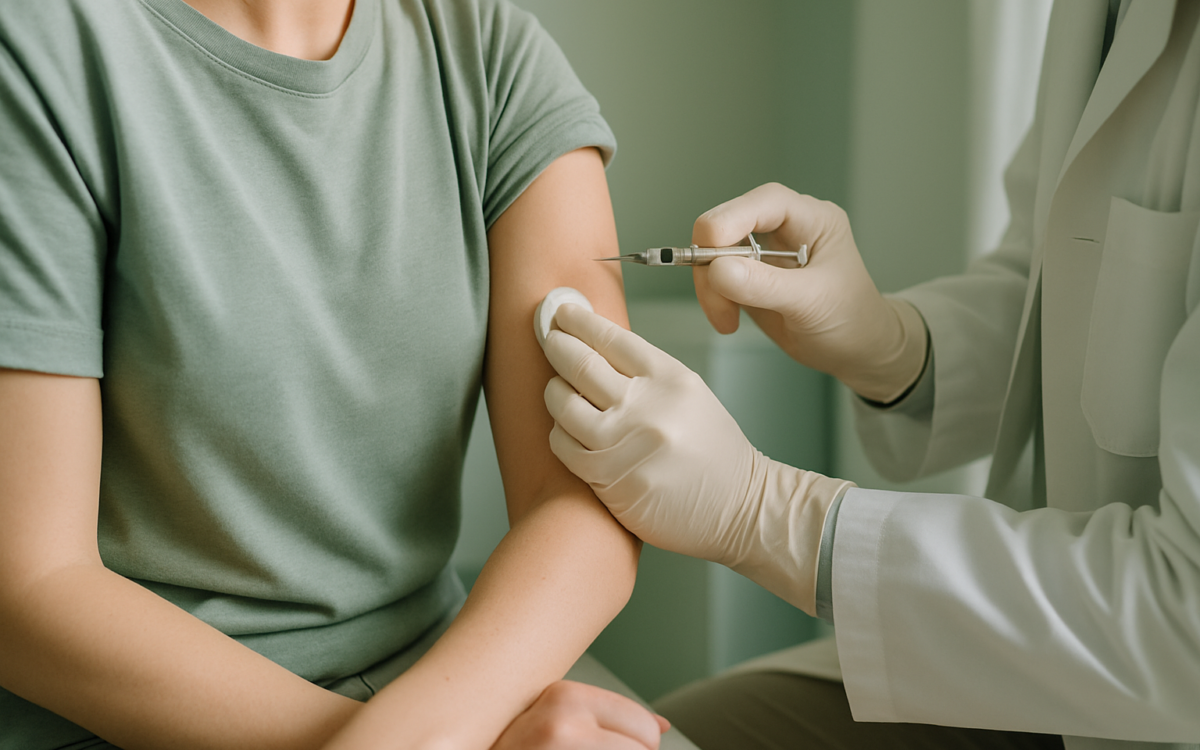
Vaccines play a crucial role in keeping us healthy. While many of us know that getting vaccinated is important, understanding why some places require vaccines can clear up confusion and highlight their significance for public health. From childhood vaccinations to policies in schools and workplaces, requiring vaccines can protect everyone, especially the most vulnerable among us.
The Science Behind Vaccines
Vaccines work by training our immune system to recognize and fight off specific pathogens, like viruses and bacteria. When we receive a vaccine, it introduces a harmless part or a weakened version of a germ into our bodies. This helps our immune system learn to combat the actual disease without us having to get sick.
Why Requiring Vaccines Is Important
Requiring vaccines helps maintain high immunization rates within communities. Here are a few important reasons:
- Herd Immunity: When a large portion of the community is vaccinated, it helps protect those who cannot be vaccinated, such as infants or individuals with compromised immune systems. This is known as herd immunity.
- Preventing Outbreaks: Vaccination requirements contribute to preventing outbreaks of vaccine-preventable diseases, such as measles or whooping cough. In recent years, we’ve seen that low vaccination rates can lead to a resurgence of these diseases.
- Long-Term Cost Savings: Vaccines save money in the long run by reducing healthcare costs associated with treating preventable diseases. For every dollar spent on immunization, society saves around $3-$10 in treatment costs and lost productivity.
Where Vaccines Are Required
Schools
Many educational institutions require students to be vaccinated against certain diseases before enrollment. This is to ensure not only the health of the individual child but also the health of the entire school community. Policies vary by state, but common requirements often include vaccinations for diseases such as measles, mumps, rubella (MMR), and varicella (chickenpox). For more detail on school immunization requirements, visit the CDC.
Workplaces
Some employers require vaccinations for their employees, especially in healthcare settings, to protect patients and other staff members. Certain industries, like healthcare, food service, and education, have higher risks associated with infectious diseases, making vaccination critical for workplace safety.
Travel
When traveling to certain countries, vaccinations may be required to prevent the spread of diseases. For instance, yellow fever vaccination is often required for entry into some countries in Africa and South America. Travelers should check with health authorities, like the World Health Organization, for recommended vaccinations based on their travel destinations.
Addressing Vaccine Hesitancy
Despite the clear benefits of requiring vaccines, there is still some hesitancy in certain populations. Concerns about vaccine safety, misinformation, and personal beliefs can discourage individuals from getting vaccinated. It’s essential to address these concerns through education and transparent communication. Providing accurate information about vaccine development, potential side effects, and the effectiveness of vaccines can help alleviate fears.
The Role of Healthcare Providers
Healthcare providers play a vital role in encouraging vaccinations. When patients visit their doctors, they can receive information about the importance of vaccines and discuss any concerns they might have. Many healthcare providers also keep track of immunization records and can remind patients when they’re due for a vaccination.
Looking Forward: The Future of Vaccination Policies
As science and understanding of public health evolve, so do vaccination policies. In recent years, we’ve seen adaptations in response to COVID-19, prompting discussions about vaccination requirements for new vaccines. Policymakers are continually assessing the best strategies to keep communities safe and healthy. These decisions often involve balancing individual rights with public health needs.
When to See a Doctor
If you have questions about vaccines, whether regarding specific viruses, recommended schedules, or personal health concerns, it’s essential to consult a healthcare provider. They can offer guidance tailored to your needs and give you the most current research findings regarding vaccines.
In conclusion, requiring vaccines is a key strategy in preventing illness and promoting a healthier society. By understanding the requirements and their critical roles, we can contribute to the overall health and well-being of our communities. Keeping ourselves and others safe through vaccination is not just a personal choice; it’s a collective responsibility.
