
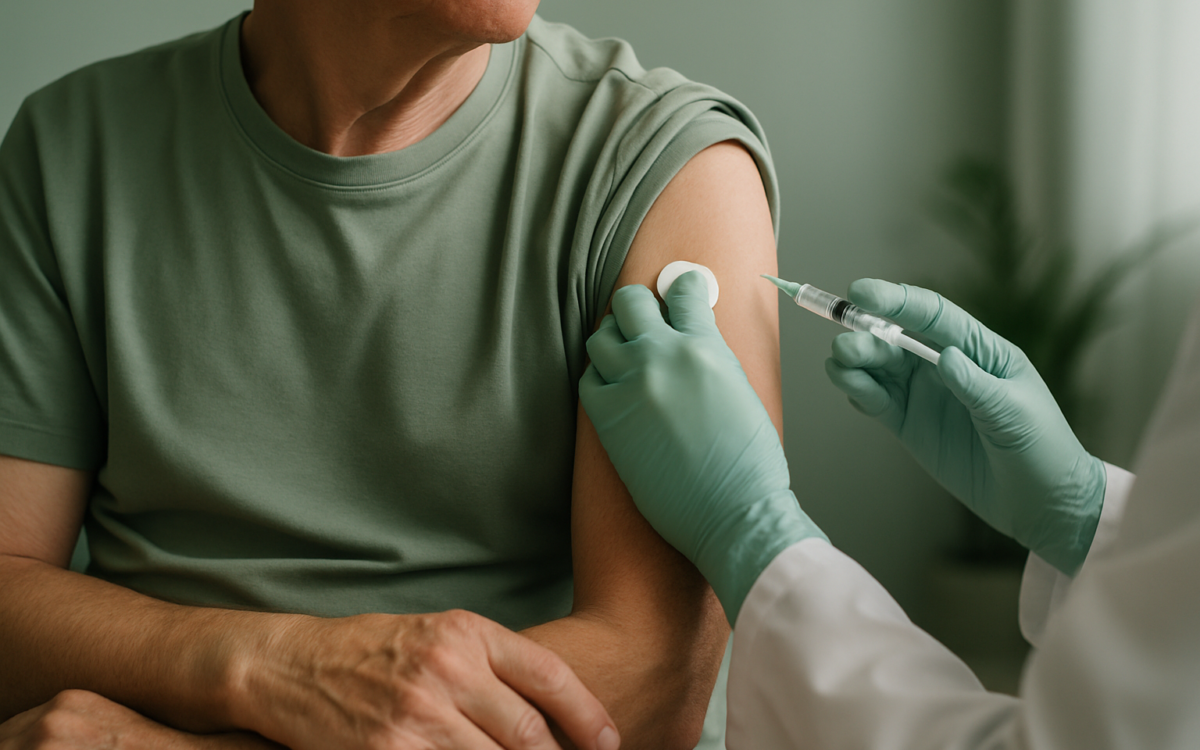
As we age, our immune systems become less robust, making us more vulnerable to diseases that younger adults might fight off easily. For adults over 50, getting vaccinated isn’t just important; it’s vital for maintaining health and preventing serious illnesses. This age group faces unique health challenges, and several vaccines can help address those issues while promoting overall wellness.
Why Vaccines Matter for Adults Over 50
Vaccines train the immune system to recognize and fight specific pathogens, boosting the body’s ability to fend off infections. As we grow older, our immunity decreases, making vaccines more crucial for preventing illnesses such as influenza, pneumonia, and shingles. Studies have shown that vaccinations significantly reduce the risk of complications and hospitalizations in older adults, highlighting their importance in life quality and longevity.
Key Vaccines Recommended for Adults Over 50
There are several vaccines specifically recommended for adults over 50. Below is a list of essential immunizations:
- Influenza (Flu) Vaccine: Recommended annually to protect against seasonal flu. The flu can lead to serious complications, especially in older adults.
- Pneumococcal Vaccine: Protects against pneumonia and other serious infections. Two types are available: PCV13 and PPSV23, and your healthcare provider can help determine which is right for you.
- Shingles Vaccine: The shingles vaccine is recommended for adults over 50 to prevent herpes zoster, which can lead to painful rashes and long-lasting nerve pain.
- Tetanus, Diphtheria, and Pertussis (Tdap) Booster: A booster is recommended every ten years to protect against these serious diseases.
- COVID-19 Vaccine: Staying up-to-date on COVID-19 vaccinations is crucial for older adults, who are at higher risk for severe illness from the virus.
Understanding the Vaccination Schedule
Determining when to get vaccinated can be confusing, especially with multiple vaccines to consider. Here’s a general guideline:
- Get the flu vaccine annually, preferably before the season peaks.
- The pneumococcal vaccine can be administered once or as recommended, typically after discussion with your doctor.
- The shingles vaccine is a one-time dose, but you may need a second dose depending on the type of shingles vaccine used.
- Get the Tdap booster every ten years, and ensure your COVID-19 vaccine schedule is current.
Regular check-ups with your healthcare provider can help you stay on top of your vaccination needs and determine if any additional vaccines are necessary for your individual health circumstances.
Considerations for Vaccination Abroad
For those considering medical travel or treatment in Turkey, it’s crucial to be aware of the vaccination requirements and recommendations in other countries. Some destinations may require specific vaccines, especially for travel to regions with higher risks of diseases like hepatitis or yellow fever. Researching the health regulations particular to your travel destination is vital to ensure you remain protected and compliant during your international journey.
Identifying Your Individual Needs
Everyone’s health history is unique, and there are various factors that may influence your vaccination needs, such as:
- Chronic health conditions (e.g., diabetes, heart disease)
- Medications that affect your immune system
- Previous vaccination history
- Travel plans or exposure risks
Your doctor can assist in formulating a personalized vaccination strategy and ensure that you are adequately protected against prevalent diseases. Open communication about any allergies, previous adverse reactions to vaccines, and overall health can help tailor your vaccination plan effectively.
When to See a Doctor
If you’re unsure about your vaccination status or have questions regarding which vaccines are right for you, do not hesitate to reach out to your healthcare provider. They can review your health history, suggest necessary vaccinations, and help you stay on track with your immunizations.
Conclusion
Vaccines play an essential role in maintaining health and preventing disease for adults over 50. Getting vaccinated is a proactive step toward a healthier future, allowing you to enjoy life fully. Staying informed about recommended vaccines and maintaining open communication with your healthcare provider can significantly impact your longevity and quality of life.
