
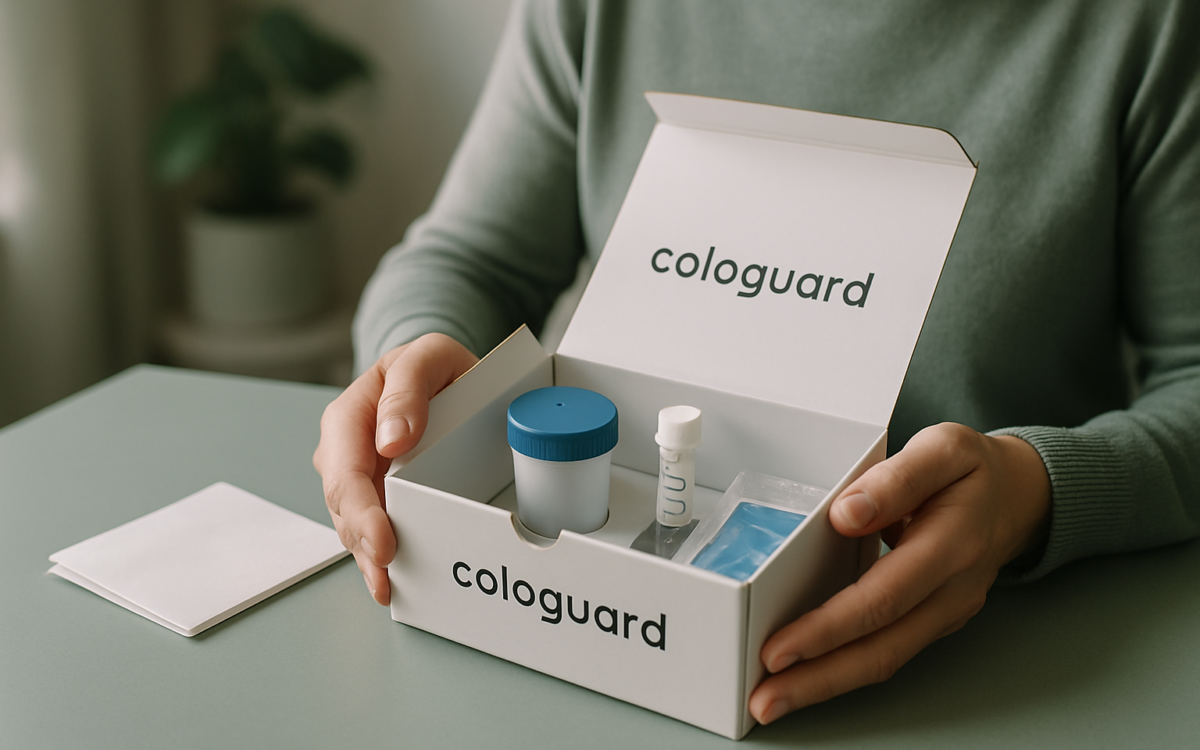
When it comes to staying healthy, regular screenings for certain cancers can make a big difference. One screening method that has gained popularity is the Cologuard test kit, an at-home test designed to help detect colorectal cancer early. This article will take you through everything you need to know about the Cologuard test, how it works, and its role in cancer prevention.
What is the Cologuard Test Kit?
The Cologuard test kit is a non-invasive screening tool for colorectal cancer. It is designed for those at average risk of developing colorectal cancer and is typically recommended for adults aged 45 and older. Unlike traditional colonoscopy, which requires preparation and sometimes sedation, Cologuard allows you to collect a stool sample in the comfort of your home.
How Does the Cologuard Test Work?
The Cologuard test works by analyzing your stool for DNA markers and blood that may indicate the presence of cancer or precancerous polyps. Here’s how the process generally works:
- Order the Kit: You can obtain the test kit through a prescription from your healthcare provider.
- Collect a Sample: Follow the instructions provided in the kit to collect a small stool sample.
- Send It Back: Once you’ve collected the sample, send it back to the lab using the pre-paid shipping materials included in the kit.
- Receive Results: Results are typically available within a week or two, and your healthcare provider will discuss them with you.
Why is Cologuard Important?
Colorectal cancer is one of the leading causes of cancer-related deaths in the United States. Screening is essential because it can detect cancer early when treatment is most effective. According to the CDC, early detection of colorectal cancer can reduce mortality rates significantly. Cologuard provides a convenient option for those who may hesitate to undergo more invasive tests.
Who Should Use Cologuard?
Cologuard is specifically designed for individuals aged 45 and older who are at average risk for colorectal cancer. However, it is not suitable for everyone. Some factors that may disqualify you from using Cologuard include:
- A personal history of colorectal cancer or polyps
- A family history of colorectal cancer
- Other medical conditions that increase your risk
If you fall into one of these categories, a colonoscopy or other screening may be more appropriate. Always consult your healthcare provider to determine the best screening method for your individual risk factors.
Limitations of the Cologuard Test Kit
While Cologuard offers convenience, there are some limitations to consider:
- Not a Replacement for Colonoscopy: If your Cologuard test is positive, you will need to follow up with a colonoscopy for confirmation and further investigation.
- Could Lead to False Positives: This test may sometimes produce false-positive results, which could cause unnecessary anxiety and additional procedures.
- Doesn’t Replace Regular Screening: Cologuard is recommended every three years, which means it should complement, not replace, other screening methods.
What to Expect After Testing
After you submit your sample, you will wait for the results. If the results are negative, this generally means no signs of cancer or precancerous growths were found. However, if positive results indicate the presence of cancer markers, a colonoscopy will be necessary to investigate further. Remember, a positive result does not always mean you have cancer, but it does require prompt follow-up.
When to See a Doctor
If you experience symptoms such as persistent abdominal pain, unexplained weight loss, changes in bowel habits, or blood in your stool, it’s essential to consult your healthcare provider. They may recommend more comprehensive screening options based on your symptoms and health history.
Additionally, if you’re unsure about your need for screening or have questions about the Cologuard test kit, your healthcare provider is the best resource for guidance tailored to your specific situation.
Conclusion
The Cologuard test kit offers a convenient option for colorectal cancer screening for those at average risk. While it provides an alternative to traditional screenings, understanding its limitations and knowing when to seek a colonoscopy are essential for effective prevention. Always stay informed and consult your healthcare provider to take charge of your health.
