
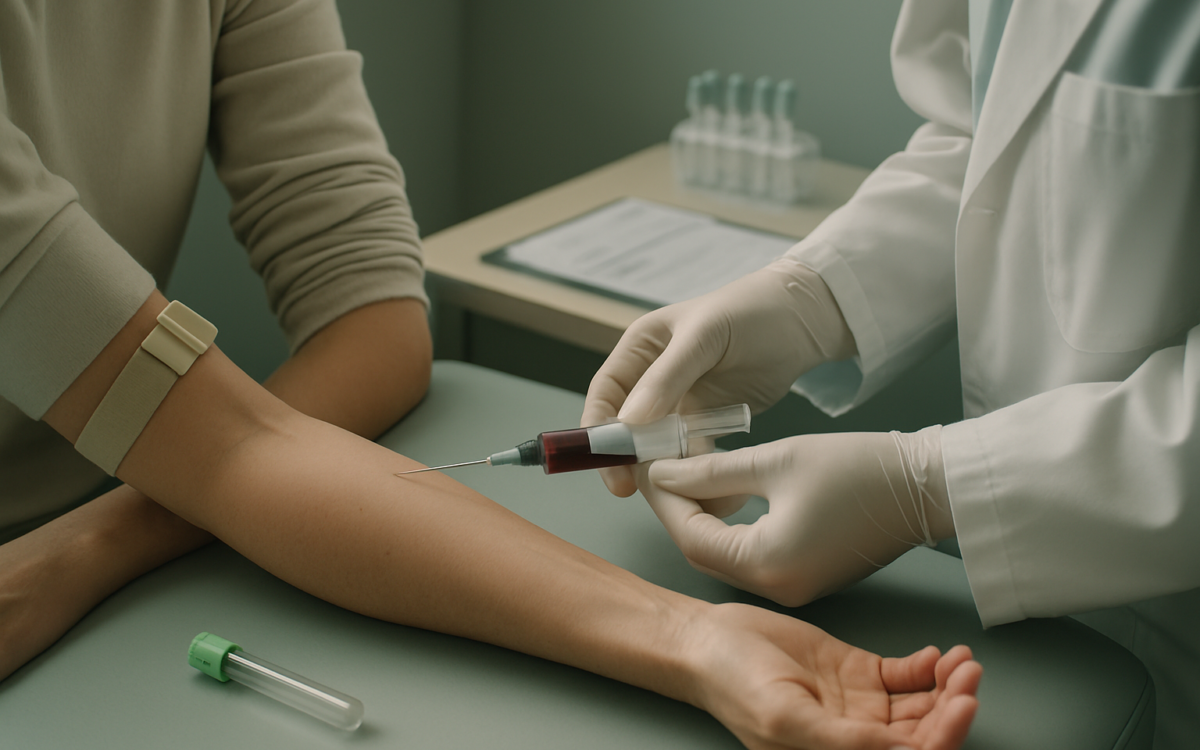
In recent years, the quest for early cancer detection has seen significant advancements, particularly with the advent of blood tests designed to identify cancer at its most treatable stages. These tests offer hope and a new approach to cancer screening, allowing for potentially life-saving interventions long before symptoms arise.
Understanding Early Cancer Detection
Early detection is crucial in the fight against cancer. It refers to identifying cancer at an initial stage when it’s often more treatable, leading to better outcomes. Traditional screening methods like mammograms and colonoscopies are effective but may not always pick up cancers early enough. This has propelled research into blood tests that can detect cancer markers circulating in the bloodstream.
The Science Behind Blood Tests for Cancer Detection
Early cancer detection blood tests analyze various biomarkers—substances found in the blood that can indicate the presence of cancer. These markers can include proteins, DNA, and other molecules that tumor cells release. The tests are designed to detect these markers and help identify cancers before they become advanced.
Types of Blood Tests
- Liquid Biopsies: This innovative approach captures circulating tumor DNA (ctDNA) and other cancer-associated signals from a simple blood draw.
- Protein Biomarkers: Tests that measure specific proteins in the blood, such as prostate-specific antigen (PSA) for prostate cancer.
- Genomic Testing: These tests look for genetic changes associated with certain cancers, offering insights into predisposition and treatment options.
Recent Advancements in Blood Tests
Recent studies have showcased the potential of these blood tests to detect multiple types of cancer, even before symptoms arise. For instance, researchers at the National Institutes of Health (NIH) have been working on tests that can screen for various cancers through a single blood sample. These tests, often referred to as multi-cancer early detection (MCED) tests, can revolutionize the way cancer is diagnosed and monitored.
Benefits of Early Cancer Detection Blood Tests
These blood tests come with a range of advantages:
- Minimally Invasive: Unlike traditional biopsies or imaging tests, blood tests are generally less invasive and can be performed quickly.
- Quick Results: Many blood tests can provide results faster than traditional screening methods, enabling quicker diagnosis and treatment decisions.
- Wider Reach: Blood tests can potentially be used in populations that have limited access to comprehensive screening programs.
Limitations and Challenges
While the prospects for early cancer detection blood tests are encouraging, there are still limitations. Not all cancers have identifiable biomarkers, and false positives or negatives can occur. The Centers for Disease Control and Prevention (CDC) emphasizes thorough follow-up tests for any abnormal results. Moreover, researchers are still unraveling the best ways to standardize these tests for widespread clinical use.
Cost and Accessibility
Cost and healthcare access present additional challenges. Many emerging blood tests are still under research and may not yet be covered by insurance. This creates disparities in who can avail of these life-saving tests. It’s essential for health care policies to adapt to incorporate these advancements effectively.
When to See a Doctor
While early cancer detection blood tests offer groundbreaking possibilities, it’s vital to consult with a healthcare professional if you have concerns about cancer risk or symptoms. Regular screenings, lifestyle choices, and discussions about family history should guide when to begin screening, including the use of newer blood tests.
Conclusion
Early cancer detection blood tests potentially transform cancer screening and treatment. While not a replacement for traditional methods, these tests offer a promising supplement in identifying cancer at its nascent stage. As research continues and these technologies become more refined, they hold the power to save countless lives, making early detection a cornerstone of effective cancer care.
