
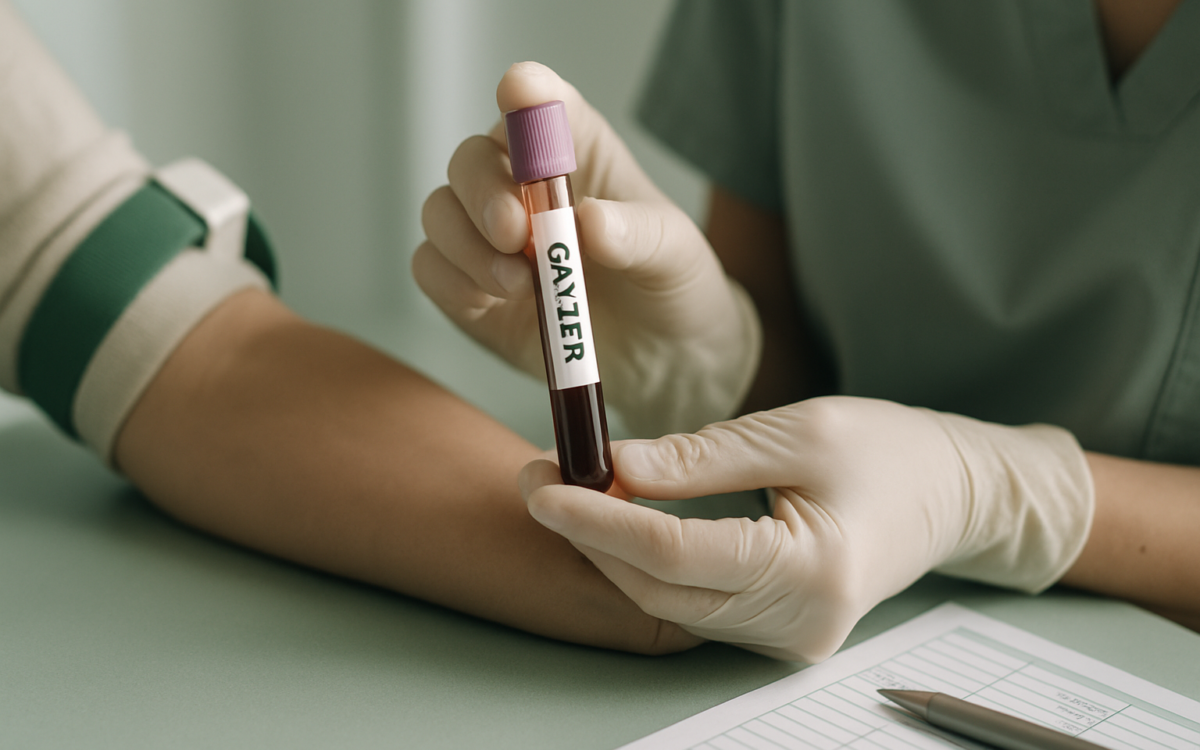
Detecting cancer early can significantly improve treatment outcomes. One of the ways doctors can identify potential cancer is through blood tests. While not all cancers can be detected through these tests, certain types of blood work can reveal essential clues about an individual’s health. In this article, we’ll explore the different blood tests used to detect cancer, what they measure, and how they contribute to the overall diagnostic process.
Types of Blood Tests for Cancer
There are various blood tests that doctors may use to help identify cancer. The most common types include:
- Complete Blood Count (CBC): This test measures different components of your blood, including red blood cells, white blood cells, and platelets. Abnormal results may indicate certain types of cancers, like leukemia or lymphoma.
- Tumor Markers: Tumor markers are substances made by cancer cells or by normal cells in response to cancer. Specific markers can indicate the presence of certain types of cancer. For example, Prostate-Specific Antigen (PSA) is a marker often measured for prostate cancer.
- Blood Chemistry Tests: These tests assess the levels of various chemicals in the blood, and can reveal information about organ function. Changes in certain levels can suggest cancer or other health issues.
- Bone Marrow Biopsy: While not a blood test in the traditional sense, examining blood from bone marrow can help diagnose conditions like leukemia. A sample of bone marrow is taken to look for cancerous cells.
How Blood Tests Work in Cancer Detection
Blood tests work by analyzing the makeup of your blood and identifying any abnormalities. For instance, a high white blood cell count may indicate infection or leukemia, while the presence of specific tumor markers could suggest certain cancers. It’s important to note that while these tests can provide important clues, they are usually not sufficient on their own to diagnose cancer. Further testing, including imaging studies or biopsies, may be necessary to confirm a diagnosis.
Understanding Tumor Markers
Tumor markers are crucial in the cancer detection process. They can help doctors determine not only the presence of cancer but also its type and stage. Some common tumor markers include:
- CA-125: Often used to monitor ovarian cancer.
- Alpha-fetoprotein (AFP): Typically associated with liver cancer.
- Carcinoembryonic antigen (CEA): Often elevated in colorectal cancer.
While abnormal levels of tumor markers can indicate cancer, they can also result from non-cancerous conditions, which is why doctors interpret the results in conjunction with other tests and clinical findings.
Limitations of Blood Tests in Cancer Detection
It’s essential to understand that blood tests are not foolproof. Here are some limitations to consider:
- Not all cancers produce detectable markers in the blood, meaning some cancers may be missed through routine blood testing.
- False positives can occur, where test results indicate cancer when there is none.
- Many conditions other than cancer can cause elevated tumor markers or changes in blood counts.
Because of these limitations, blood tests are often just one piece of the puzzle. Healthcare providers typically use multiple forms of testing and imaging to arrive at a comprehensive diagnosis.
Monitoring Cancer Treatment
In addition to diagnosing cancer, blood tests can also be vital in monitoring how well treatment is working. For instance, doctors may regularly measure tumor markers during treatment to see if levels decline, indicating that the treatment is effective. A continuing rise in markers may suggest that the cancer is not responding and adjustments may be necessary. Regular CBCs can help assess the effects of chemotherapy on blood cells, providing data on how well the body is handling treatment.
When to See a Doctor
If you’re experiencing symptoms such as unexplained weight loss, persistent fatigue, or unusual lumps, it’s essential to consult a healthcare provider. While these symptoms may not necessarily indicate cancer, they warrant further investigation. Early detection is key to successful treatment.
Conclusion
Blood tests are an important tool in the early detection and monitoring of cancer. While they can indicate the presence of certain types of cancer and help track treatment effectiveness, they are not definitive on their own. Cancer detection is a multifaceted process that often requires various tests, imaging, and clinical evaluations. If you have concerns about cancer or your health, don’t hesitate to reach out to a healthcare professional for advice and guidance.
