
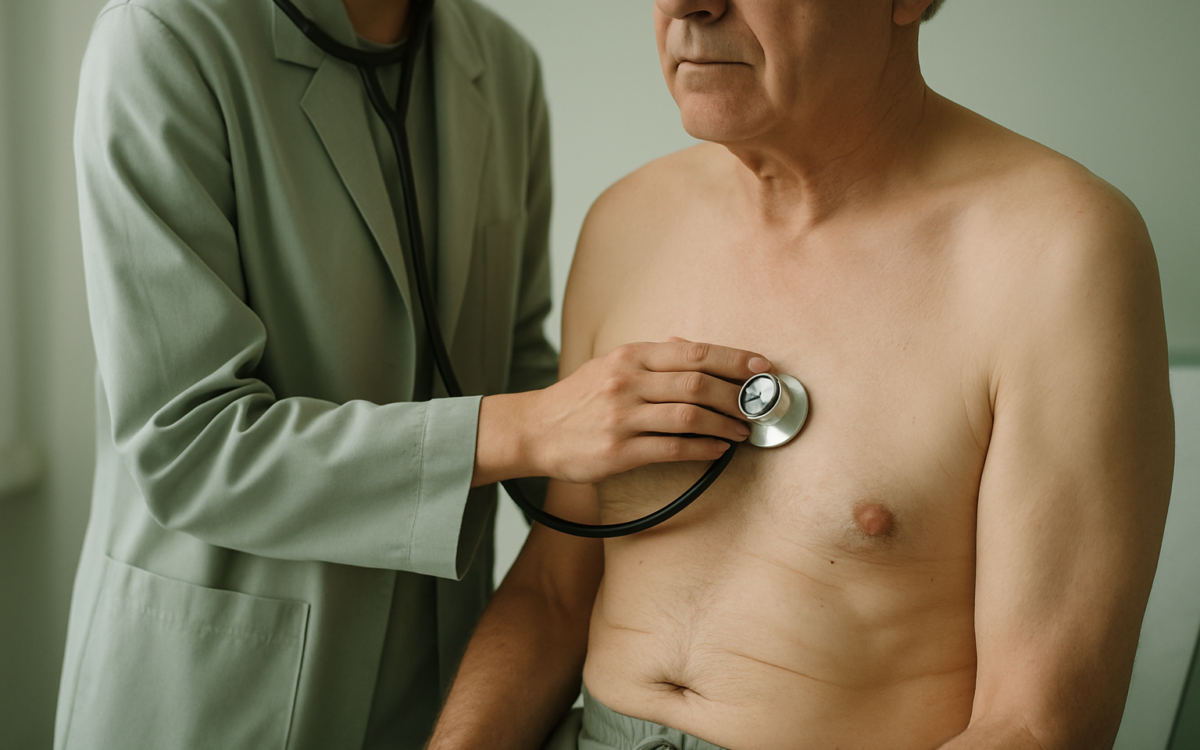
Your heart is at the center of your overall health, tirelessly pumping blood throughout your body. Understanding how it functions and recognizing potential issues is vital for ensuring a long and healthy life. A cardiac exam plays a significant role in this process. It’s a comprehensive evaluation meant to assess the health of your heart and detect any potential problems early. In this article, we will explore the components and purposes of a cardiac exam, emphasizing its importance in preventive healthcare.
What is a cardiac exam?
A cardiac exam is a thorough assessment conducted by a healthcare professional to evaluate the function and health of your heart. It typically includes a series of tests and procedures designed to detect heart disease, high blood pressure, and other cardiovascular conditions. The exam can be a vital tool in preventing serious health issues and maintaining heart health.
Why is a cardiac exam important?
Cardiovascular diseases (CVD) are among the leading causes of death globally. Early detection and management of heart conditions contribute significantly to improving health outcomes. A cardiac exam helps identify risk factors such as high cholesterol, high blood pressure, and other indicators of heart disease. By understanding these risks, you and your doctor can create a tailored plan to maintain or improve your heart health.
What does a typical cardiac exam involve?
A cardiac exam usually encompasses several key components, including:
- Medical History Review: Your doctor will begin by asking about your medical history, including family history of heart disease, lifestyle factors (like smoking, exercise, and diet), and any symptoms you may have experienced, such as chest pain or shortness of breath.
- Physical Examination: During the physical examination, your doctor will listen to your heart using a stethoscope. They may check your blood pressure, heart rate, and circulation in your extremities.
- Electrocardiogram (ECG): An ECG records the electrical activity of your heart. It can help identify abnormal rhythms, heart enlargement, or evidence of a previous heart attack.
- Echocardiogram: This ultrasound test provides images of the heart, allowing doctors to assess its size, shape, and function. It can help detect issues like valve problems or heart muscle abnormalities.
- Blood Tests: Blood tests may be ordered to measure cholesterol levels, blood sugar, and markers of heart damage (like troponin). These tests help identify potential issues that may not be visible through other methods.
- Stress Testing: In some cases, your doctor may recommend a stress test. This involves monitoring your heart’s activity while you exercise or take medication that simulates exercise.
Who should have a cardiac exam?
Cardiac exams are typically recommended for individuals of varying age groups, especially those at risk of developing heart disease. Factors that may necessitate a cardiac exam include:
- A family history of heart disease
- Age, particularly for men over 45 and women over 55
- High blood pressure or cholesterol levels
- Diabetes or prediabetes
- Smoking or high-stress lifestyles
- High body mass index (BMI)
It’s essential to discuss with your healthcare provider when you should start having regular cardiac exams, as each person’s needs can vary based on their health history and risk factors.
Preparing for your cardiac exam
Being prepared for your cardiac exam can help the process run smoothly and ensure you get the most out of your visit. Here are some tips to consider:
- Be open about your health history: Share details about your family’s health and any personal conditions you’ve experienced. Honesty will help your doctor understand your health better.
- List your medications: Bring a list of any medications or supplements you’re currently taking, as this will help your doctor assess potential interactions or side effects.
- Prepare questions: Write down any questions or concerns you have regarding your heart health. This is a great opportunity to discuss prevention strategies and lifestyle modifications.
After your cardiac exam: What’s next?
Following your cardiac exam, your healthcare provider will discuss the results with you. If your tests show that you’re at risk or have developed a heart condition, your doctor will work with you to create a plan that may include lifestyle changes, additional tests, or medications. It’s important to be proactive about maintaining your heart health by following your doctor’s advice and attending follow-up appointments as necessary.
When to see a doctor
If you experience symptoms such as chest pain, shortness of breath, dizziness, or an irregular heartbeat, it’s crucial to seek medical attention immediately. These could be signs of a serious heart condition. Additionally, if you have risk factors such as high blood pressure or a family history of heart disease, consult your healthcare provider about scheduling a cardiac exam.
In summary, a cardiac exam is an essential part of maintaining effective heart health. By understanding what it involves and recognizing when to seek help, you empower yourself to take charge of your cardiovascular health.
