
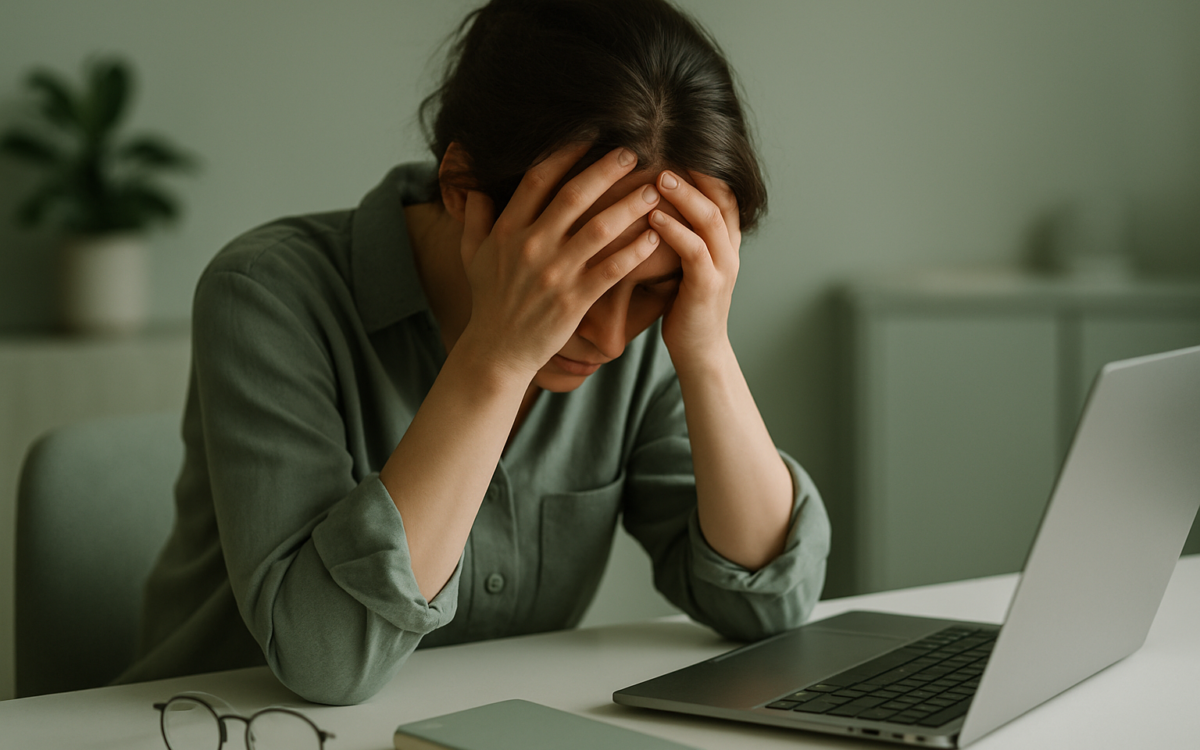
Stress is a normal part of life, but when it becomes overwhelming, it can lead to a state known as stress exhaustion. This condition can drain your energy and affect your well-being in a variety of ways. Recognizing the signs and understanding how to cope with this exhaustion is crucial for restoring balance in your life.
What is Stress Exhaustion?
Stress exhaustion, often synonymous with burnout, occurs when the body and mind are pushed beyond their limits. It can stem from chronic stress, where individuals feel they cannot cope with their daily challenges effectively. This state is not just about feeling tired; it involves emotional, mental, and physical exhaustion.
Signs and Symptoms of Stress Exhaustion
Identifying the signs of stress exhaustion early can help you take proactive steps toward recovery. Common symptoms include:
- Physical Fatigue: Persistent tiredness that does not improve with rest.
- Emotional Distress: Feelings of overwhelm, anxiety, or irritability.
- Concentration Issues: Difficulty focusing or making decisions.
- Sleep Problems: Insomnia or disrupted sleep patterns.
- Increased Sickness: Frequent headaches and other stress-related ailments.
If you experience several of these symptoms consistently, it may indicate stress exhaustion and necessitate a reassessment of your lifestyle and mental health.
Causes of Stress Exhaustion
Understanding what leads to stress exhaustion can help you mitigate its effects. Some common causes include:
- Chronic Work Pressure: Long hours, demanding schedules, and high expectations can create a relentless stress cycle.
- Personal Life Stressors: Events like divorce, job loss, or caring for sick family members can exhaust emotional resources.
- Unrealistic Expectations: Perfectionism or setting unattainable goals can create perpetual disappointment and stress.
- Lack of Support: Feeling isolated can exacerbate feelings of helplessness, making it harder to manage stress.
Impact on Mental and Physical Health
Stress exhaustion does not only affect emotional well-being; it can have serious implications for physical health as well. Chronic stress can lead to:
- Cardiovascular Issues: Higher blood pressure and heart rate increase the risk of heart disease.
- Immunosuppression: Reduced ability to fight off illnesses.
- Digestive Problems: Stress can exacerbate conditions like irritable bowel syndrome (IBS).
- Mental Health Disorders: Increased risk of anxiety, depression, and other mood disorders.
These potential effects highlight the importance of addressing stress exhaustion promptly and effectively.
Coping Strategies for Recovery
Recovering from stress exhaustion involves implementing effective coping strategies. Here are some practical steps:
1. Acknowledge Your Feelings
Recognizing your state of exhaustion is the first step toward coping. Allow yourself to feel your emotions without judgment.
2. Prioritize Self-Care
Engage in regular activities that promote your well-being, such as:
- Getting adequate sleep
- Eating a balanced diet
- Engaging in physical activity
- Practicing mindfulness or meditation
3. Set Boundaries
Say no to additional responsibilities that may stretch you too thin. Setting limits at work and home can help manage stress levels.
4. Reach Out for Support
Talking to friends, family, or a mental health professional can provide relief and perspective. Connecting with others can alleviate feelings of isolation.
5. Practice Relaxation Techniques
Incorporate relaxation exercises into your daily routine, such as deep breathing, yoga, or meditation. These practices can help reduce stress and improve overall health.
When to See a Doctor
If you find that your stress exhaustion persists despite your efforts to cope or impacts your daily life significantly, it may be time to consult a healthcare professional. They can help assess your condition, offer support, and suggest a treatment plan tailored to your needs. It’s essential to prioritize your mental health and seek help when necessary.
Conclusion
Stress exhaustion is a serious condition that can impact both mental and physical health. By recognizing the signs, understanding the causes, and implementing effective coping strategies, you can regain control over your well-being. Remember, it’s essential to be proactive about your mental health and reach out for help when needed. Your well-being is worth it.
