
When it comes to cancer, the phrase “early detection saves lives” is more than just a slogan; it’s a vital truth. Detecting cancer in its early stages increases the chances of successful treatment and can significantly improve survival rates. This article explores various early detection tests for cancer, their importance, and what you need to know about them.
The Importance of Early Detection
Early detection of cancer allows for interventions when the disease is most treatable. Screening tests help identify cancer before symptoms appear. According to the Centers for Disease Control and Prevention (CDC), many cancers are highly survivable when caught early, making regular screenings an essential part of healthcare.
Common Types of Early Detection Tests
Several tests are available for early cancer detection. Some are recommended for the general population, while others are for individuals at high risk based on family history or other factors.
1. Mammograms
Mammograms are X-ray exams of the breasts used to detect breast cancer. Women typically begin receiving regular mammograms at age 40 or 50, depending on individual risk factors. The Mayo Clinic recommends annual screenings for women who are at higher risk.
2. Pap Smears
A Pap smear tests for cervical cancer by examining cells from the cervix for abnormalities. It is usually recommended for women starting at age 21 and continuing until age 65. The American College of Obstetricians and Gynecologists suggests combining Pap tests with HPV testing every five years for women over 30.
3. Colonoscopies
This test is crucial for detecting colorectal cancer. A colonoscopy allows doctors to view the inside of the colon and rectum, looking for any potential abnormalities. Most guidelines suggest that adults begin screenings at age 45, with regular tests every ten years thereafter unless there are risk factors involved.
4. Low-Dose CT Scans for Lung Cancer
Low-dose computed tomography (CT) scans are recommended for people at high risk for lung cancer, particularly current or former heavy smokers. The National Cancer Institute notes that these scans can help catch lung cancer in its early stages, when it is more treatable.
Genetic Testing: Knowing Your Family History
Percentages of various cancers have genetic links. Genetic testing can help identify individuals who carry mutations that increase their risk for certain cancers, such as BRCA mutations associated with breast and ovarian cancers. Understanding your genetic predisposition enables proactive measures, including earlier screenings or preventive surgeries. Consulting with a genetic counselor can provide valuable insights.
Staying Informed About New Tests
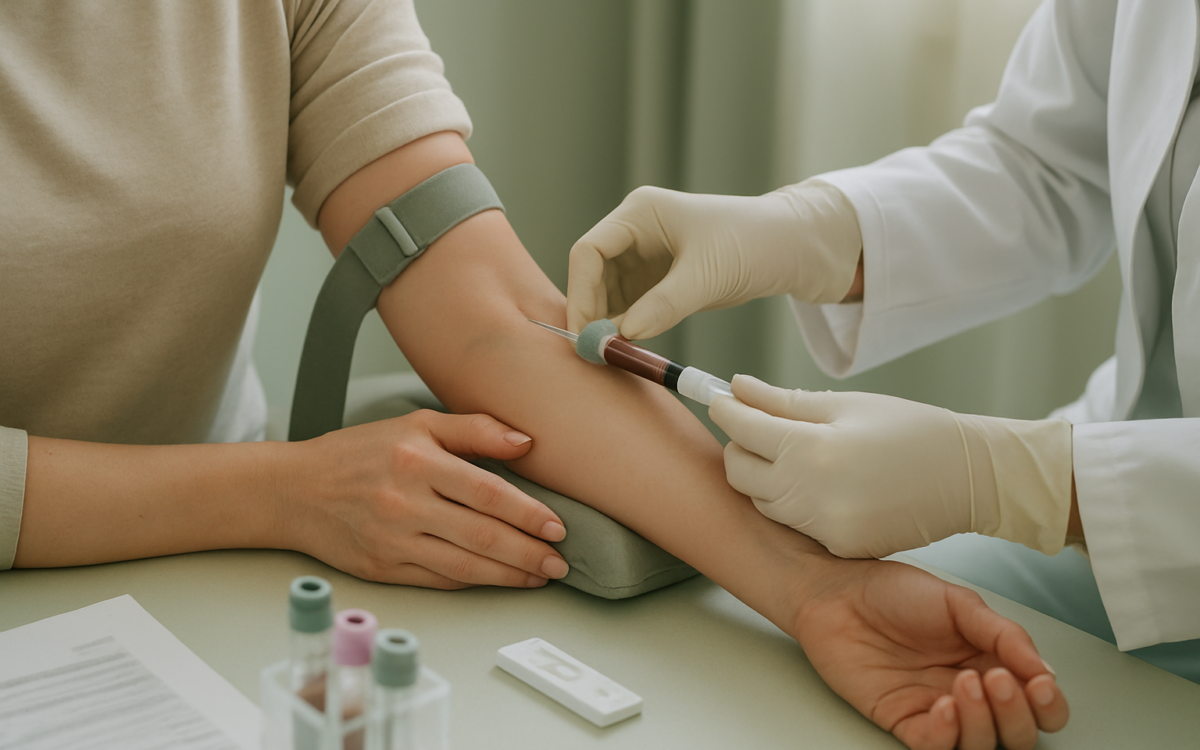
The field of cancer detection is constantly evolving. New technologies and methods are being researched that aim to provide even earlier detection signals. For instance, liquid biopsies, which analyze blood samples for cancer DNA, are emerging as potentially effective tools for early detection (NIH).
The Role of Lifestyle Modifications in Cancer Prevention
While early detection tests are critical, they are just one piece of the puzzle. Adopting a healthy lifestyle can significantly reduce your overall risk for cancer. Regular exercise, a balanced diet, maintaining a healthy weight, and avoiding tobacco can all contribute to lower cancer risk.
When to See a Doctor
If you notice changes in your body or have symptoms such as unexplained weight loss, persistent cough, changes in bowel or bladder habits, or unusual lumps, it’s important to consult your healthcare provider. They can offer guidance on appropriate screenings and tests based on your individual situation.
Ultimately, staying proactive about your health is key. Regular screenings and being aware of your individual risk factors can make a big difference in early cancer detection and treatment. By understanding the various testing options available, you position yourself for the best possible health outcomes.
