
Liver cancer is a serious health issue affecting many individuals worldwide. Despite its risks, many people are unaware of liver cancer screening and its potential benefits. Early detection plays a significant role in improving outcomes for those diagnosed with this disease. Understanding the screening process can give you valuable insights into maintaining your liver health and seeking timely medical advice.
Why is liver cancer screening important?
Liver cancer often develops silently, meaning that many individuals may not experience symptoms until the cancer has reached an advanced stage. Early detection through screening can be crucial for survival. According to the National Institutes of Health, when liver cancer is diagnosed at an early stage, treatment options are more effective and outcomes are generally better. Regular screening is particularly vital for people at higher risk due to factors such as chronic liver diseases, including hepatitis B and C, cirrhosis, and heavy alcohol use.
Who should get screened?
While anyone can develop liver cancer, certain populations are more susceptible and should consider undergoing screening at regular intervals. These include:
- People with chronic hepatitis B or C infection.
- Individuals with cirrhosis, regardless of the cause.
- Those with a family history of liver cancer.
- Patients with underlying conditions affecting liver health, such as fatty liver disease.
Current guidelines suggest that individuals in these higher-risk categories speak with their healthcare providers about screening options to ensure early detection and better health outcomes.
What are the screening methods?
There are primarily two methods used for liver cancer screening that have proven effective in detecting the disease:
1. Imaging tests
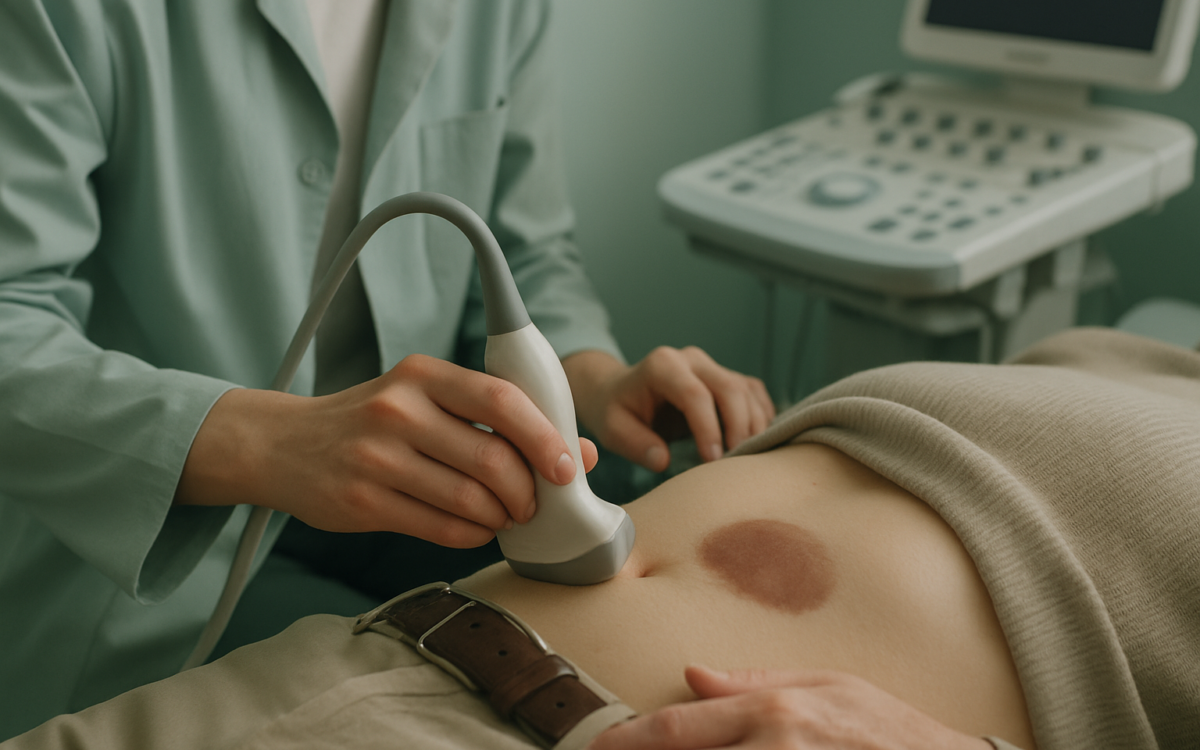
Imaging tests, particularly ultrasound, computed tomography (CT), and magnetic resonance imaging (MRI), are commonly used in liver cancer screening. These non-invasive tests can help visualize the liver and detect any unusual masses or lesions. Ultrasound is often the first test performed because it is widely available and easy to use, while CT and MRI provide detailed images that can offer a clearer view of the liver structure.
2. Blood tests
Another key method of screening for liver cancer involves blood tests. The alpha-fetoprotein (AFP) blood test measures levels of this protein, which can be elevated in individuals with liver cancer. However, elevated AFP levels can also indicate other liver conditions, so it is often used in conjunction with imaging tests to confirm a diagnosis.
It is essential to remember that neither imaging tests nor blood tests alone can definitively diagnose liver cancer. They are used together to provide a comprehensive assessment, leading to timely clinical intervention.
What is the screening process like?
If your doctor recommends liver cancer screening, the process will generally begin with a detailed history of your health. You may be asked questions about your symptoms, lifestyle, and any risk factors you might have. Then, based on your individual circumstances, your doctor will suggest the most appropriate screening method.
The screening itself is typically quick and poses minimal discomfort. Ultrasounds can often be performed in an outpatient setting and take about 30 minutes. Blood tests require only a simple blood draw, which can usually be done at your doctor’s office or a nearby lab. If your doctor recommends further diagnostic testing, such as a CT scan or MRI, this may take longer, depending on the facility’s schedule.
International perspective on liver cancer screening
Liver cancer screening practices can vary significantly across different countries and healthcare systems. For individuals seeking specialized care, international treatment options may provide advanced technologies and protocols not commonly available in their home country. For instance, Acibadem International provides comprehensive liver cancer screening services in its hospitals, utilizing state-of-the-art imaging techniques and expert consultations to ensure early detection and effective management of liver cancer.
Traveling abroad for healthcare is an increasingly popular choice, and understanding the available options can help patients make informed decisions about their care.
When to see a doctor
If you are at higher risk for liver cancer, or if you have a family history of liver disease, it is crucial to consult your doctor about screening. Additionally, if you notice any unusual symptoms such as unexplained weight loss, persistent fatigue, abdominal pain, jaundice (yellowing of the skin and eyes), or any changes in your appetite, see a healthcare professional immediately. These symptoms can indicate serious health concerns, including liver cancer, and should be evaluated by a doctor.
Conclusion
Liver cancer screening is a vital tool for those at risk of developing the disease. Understanding the importance of screening, who should get screened, and the methods used can empower individuals to take charge of their liver health. Regular discussions with your healthcare provider can guide you on the best course of action tailored to your risk factors and overall health. Remember, timely screening can lead to early detection and increase the chances for successful treatment.
