
Heart health is a vital aspect of overall wellness, yet many people are unaware of the significant role blood tests can play in detecting heart blockage. Understanding how these tests work and what they can reveal about your cardiovascular system is essential for taking proactive steps toward heart health.
Understanding Heart Blockage
Heart blockage occurs when the flow of blood to the heart is restricted. This restriction can happen for various reasons, including the buildup of plaque in the arteries, which can lead to coronary artery disease (CAD). Limited blood flow can lead to chest pain, heart attacks, or even heart failure. Therefore, early detection is crucial.
Role of Blood Tests in Diagnosing Heart Blockage
Blood tests are one of the tools doctors use to assess heart health and determine the likelihood of heart blockage. By analyzing certain biomarkers in the blood, healthcare professionals can gain valuable insights into your cardiovascular status. Common biomarkers include:
- Troponin: A protein released when the heart muscle is damaged. Elevated levels can indicate heart attacks or other significant heart issues.
- BNP (B-type natriuretic peptide): This hormone is secreted by the heart when there’s excessive pressure. High levels of BNP can indicate heart failure.
- Cholesterol levels: High levels of LDL (bad) cholesterol and low levels of HDL (good) cholesterol can indicate a higher risk of heart blockage.
Types of Blood Tests for Heart Health
Several specific blood tests can aid in the diagnosis of heart blockage:
- Basic Metabolic Panel (BMP): This test measures glucose, calcium, and electrolytes, which can give an overview of kidney function and cardiovascular health.
- Lipid Profile: This test measures cholesterol and triglyceride levels, providing critical information about heart disease risk.
- Cardiac Enzymes Test: This test specifically looks for troponin and other enzymes that indicate heart muscle damage.
- C-reactive protein (CRP) Test: A test that measures inflammation in the body, which can be a risk factor for heart disease.
How Blood Tests are Conducted
Getting a blood test is a straightforward process and typically involves the following steps:
- Preparation: Your doctor may advise you not to eat or drink anything for several hours before the test.
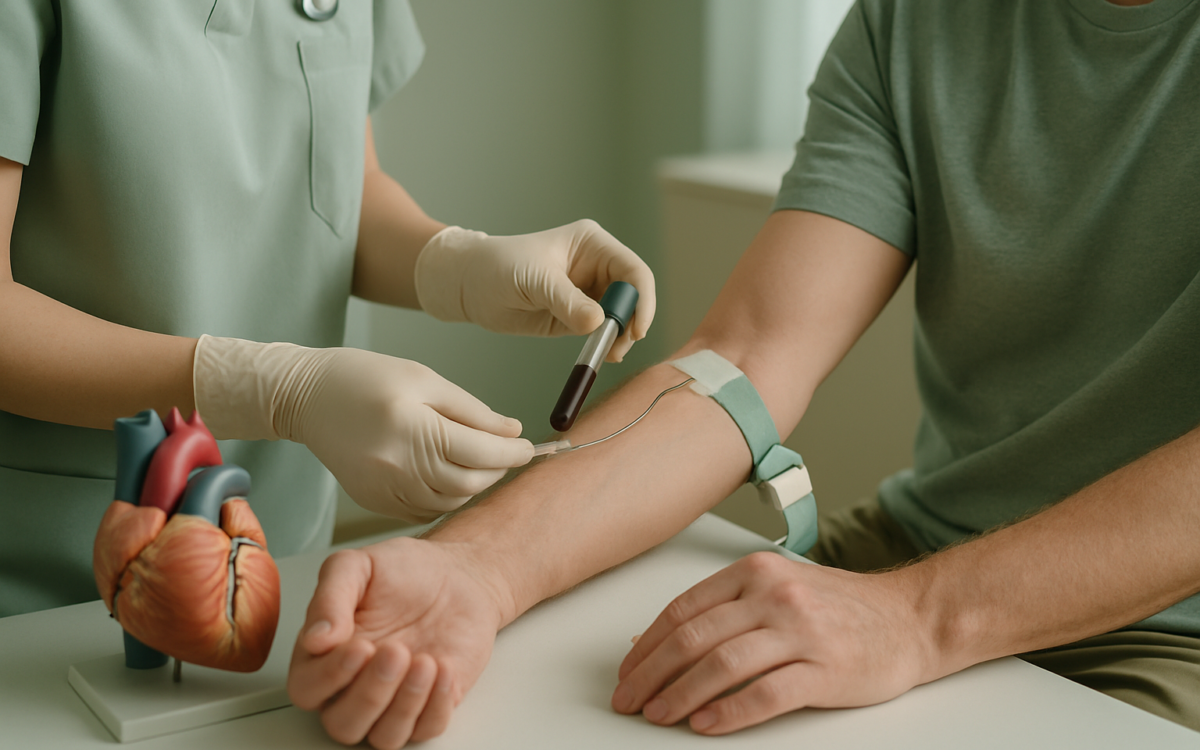
- Blood Draw: A healthcare professional will use a needle to draw blood from a vein, generally in your arm.
- Analysis: The blood sample is sent to a laboratory for analysis. Results are usually available within a few days.
During this process, it’s essential to communicate any medications or supplements you are taking with your healthcare professional, as these can impact your test results.
Interpreting Blood Test Results
Once your results are ready, your doctor will review them to determine your risk for heart blockage. Here’s a general interpretation of some common findings:
- Normal Troponin Levels: Low levels suggest that heart muscle damage is unlikely.
- Elevated Troponin Levels: May indicate a possibility of heart attack or damage that requires follow-up testing.
- High LDL Cholesterol: Suggests a higher risk for heart blockage and may prompt dietary or lifestyle changes.
- Elevated BNP Levels: Can signify heart failure or significant strain on the heart.
Limitations of Blood Tests
While blood tests are valuable tools for assessing heart health, they are not comprehensive by themselves. They do not provide a full picture of heart blockage. For instance, many factors can influence cholesterol levels, and troponin can rise due to conditions other than a heart attack. Therefore, doctors often use additional tests alongside blood tests, such as:
- Electrocardiograms (EKG): Measures electrical activity of the heart.
- Cardiac Imaging: Techniques like echocardiograms or MRIs provide a visual representation of heart health.
- Stress Tests: Evaluate how the heart performs under stress, often combined with imaging tests.
When to See a Doctor
If you experience symptoms such as chest pain, shortness of breath, lightheadedness, or unusual tiredness, consult your healthcare provider immediately. Moreover, even if you feel healthy, regular check-ups and blood tests can help catch potential heart issues early, especially if you have risk factors like obesity, high blood pressure, or a family history of heart disease.
Conclusion
Blood tests play an integral role in identifying heart blockage and assessing overall heart health. By understanding how these tests work and what they can reveal, you can take informed steps toward maintaining a healthy heart. Always consult your healthcare provider for personalized advice based on your unique health needs.
