
Cardiac blood tests are essential tools used by healthcare professionals to assess heart health and diagnose potential issues. They measure various substances in the blood that indicate how well the heart is functioning or whether it is under stress. Understanding these tests can empower you to take control of your heart health and make informed decisions.
What Are Cardiac Blood Tests?
Cardiac blood tests are laboratory analyses designed to evaluate several markers related to heart function. The results of these tests can help diagnose conditions such as heart disease, heart attacks, and other cardiovascular issues. Common tests include:
- Troponin levels: Troponin is a protein released when the heart muscle is damaged. Elevated troponin levels can indicate a heart attack or other acute heart conditions.
- B-type natriuretic peptide (BNP): This hormone is produced by your heart in response to stress. Higher levels can suggest heart failure.
- Cholesterol levels: These tests measure levels of low-density lipoprotein (LDL) and high-density lipoprotein (HDL) cholesterol, which are crucial for assessing cardiovascular risk.
- C-reactive protein (CRP): High levels of CRP may indicate inflammation in the body, which can be a risk factor for heart disease.
Who Should Get Cardiac Blood Tests?
Certain individuals are at higher risk for heart diseases and may benefit more from cardiac blood tests. It’s particularly important for:
- People with a family history of heart disease
- Individuals over the age of 45 (men) or 55 (women)
- Those with risk factors such as obesity, high blood pressure, diabetes, or smoking
- Anyone experiencing symptoms like chest pain, shortness of breath, or palpitations
Consult your doctor to determine if cardiac blood tests are suitable for you based on your health history and symptoms.
How Are Cardiac Blood Tests Conducted?
Cardiac blood tests are usually performed in a laboratory setting. The process typically involves the following steps:
- Preparation: Depending on the specific tests, your doctor may ask you to fast for a few hours prior to the test.
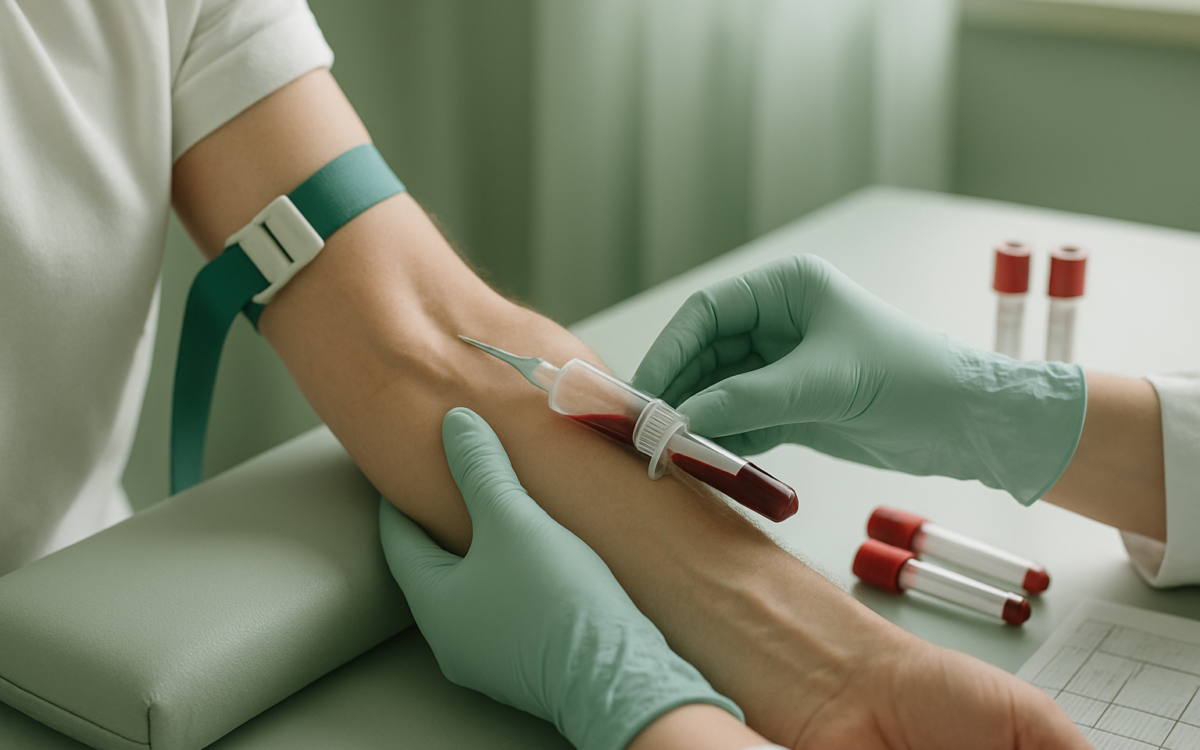
- Blood draw: A healthcare professional will use a needle to collect a sample of your blood, usually from a vein in your arm.
- Laboratory analysis: The blood sample is sent to a lab where it is analyzed for various markers associated with heart health.
- Results: You will receive the results in a few hours to a few days, depending on the test.
Interpreting Test Results
Understanding the results of cardiac blood tests is crucial for determining your heart health. Here’s a general idea of what some common markers mean:
- Troponin: Positive results indicate possible heart damage, while normal levels suggest the absence of acute injury.
- BNP: Elevated levels may confirm heart failure, while normal levels typically indicate that heart failure is unlikely.
- Cholesterol: High LDL (bad cholesterol) levels and low HDL (good cholesterol) levels both increase cardiovascular risk.
- CRP: High levels of CRP may signal inflammation, which can be a risk factor for heart disease.
It’s important to consult with a healthcare professional for an accurate diagnosis and to understand what the results mean for your individual health.
Limitations of Cardiac Blood Tests
While cardiac blood tests are valuable, they are not perfect. Here are some limitations to consider:
- False positives/negatives: Sometimes, tests can yield incorrect results. For instance, elevated troponin levels can occur due to factors unrelated to heart damage, like intense exercise.
- Snapshot in time: Blood tests provide a snapshot of your heart health at the moment of the test, which may not reflect underlying conditions or recent changes.
- Need for additional tests: A cardiac blood test might not be sufficient for a complete assessment. Doctors often use them in conjunction with other diagnostic tools such as EKGs or imaging tests.
Understanding these limitations can help set realistic expectations when discussing your heart health with your doctor.
When to See a Doctor
If you experience symptoms such as persistent chest pain, shortness of breath, lightheadedness, or unexplained fatigue, it’s crucial to seek medical attention immediately. Regular check-ups and discussions with your doctor about your risk factors can also help determine if cardiac blood tests are appropriate for you.
Being proactive about your heart health is essential. Awareness of cardiac blood tests and what they measure can help you stay informed and better prepared to take action to protect your heart.
Conclusion
Cardiac blood tests are vital in assessing heart health and diagnosing potential issues early on. Knowing about the different tests, who should have them, and how to interpret the results empowers you to take charge of your cardiovascular health. Always consult with your healthcare provider to ensure that these tests are part of your heart health strategy.
