
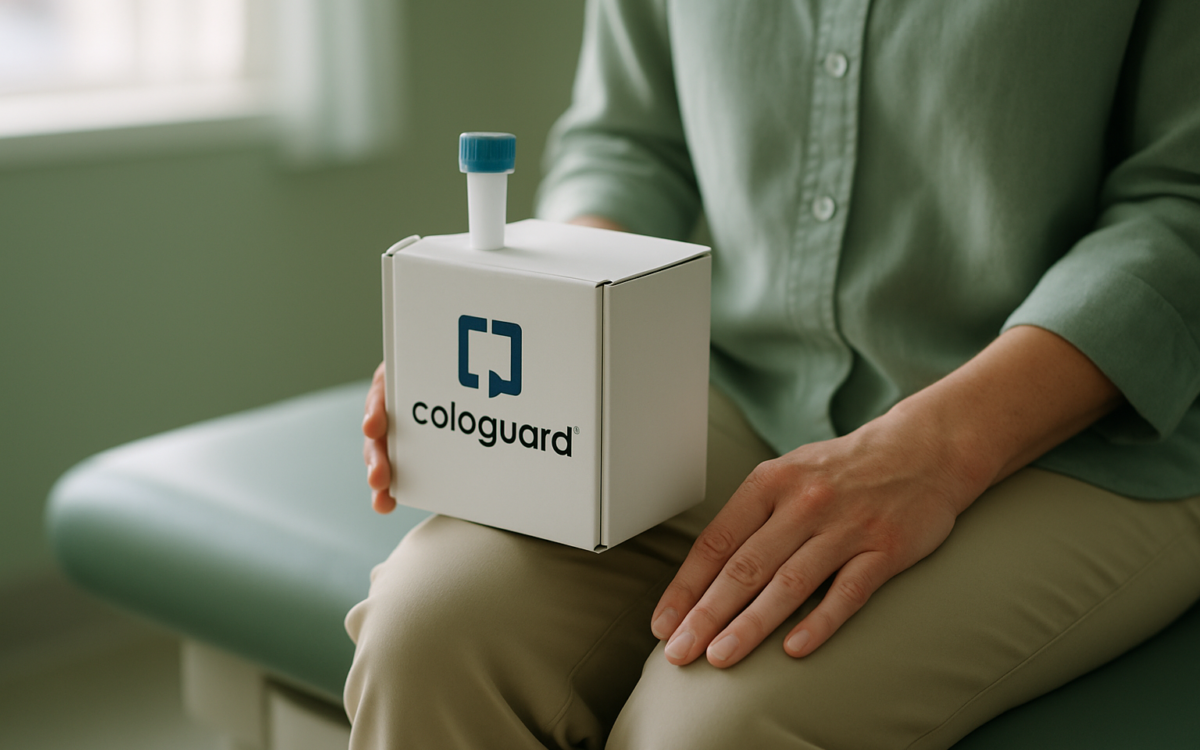
Colorectal cancer is a major health concern affecting millions of people worldwide. Early detection is key to successful treatment, which is where Cologuard comes into play. This non-invasive test allows individuals to screen for this type of cancer from the comfort of their own homes. In this article, we’ll explore what Cologuard is, how it works, its benefits, and things to consider when deciding if it’s right for you.
What is Cologuard?
Cologuard is a stool-based test approved by the FDA for colorectal cancer screening. Unlike traditional colonoscopies, which require preparation and can be uncomfortable, Cologuard provides a convenient alternative. It analyzes stool samples for certain markers that indicate the presence of cancer or precancerous polyps.
How Does Cologuard Work?
The process of using Cologuard is straightforward:
- Order the test through your healthcare provider.
- Receive a kit sent to your home.
- Collect a stool sample as instructed.
- Send the sample back to the lab using pre-paid shipping.
Within a few days, your healthcare provider will inform you of the results, which can help determine if further evaluation is needed, such as a colonoscopy.
Who Should Use Cologuard?
Cologuard is primarily recommended for adults aged 45 and older who are at average risk for colorectal cancer. This includes individuals who:
- Have no personal history of colorectal cancer or certain types of polyps.
- Have no family history of colorectal cancer.
- Have no symptoms such as rectal bleeding or unexplained changes in bowel habits.
If you fall into these categories, Cologuard may be a suitable option for you. However, it’s essential to consult with your doctor for personalized advice.
Benefits of Cologuard
One of the main advantages of Cologuard is its convenience. It can be done in the privacy of your own home without the need for invasive procedures. Additionally:
- The test is non-invasive and doesn’t require the bowel preparation that colonoscopies do.
- It provides a non-intrusive method for detecting early signs of colorectal cancer.
- It can be a stepping stone for individuals who might hesitate to undergo traditional screening methods.
For those considering international treatment options for colorectal cancer, many patients travel to places like Turkey for advanced care. Exploring treatment in Turkey can be informative if you are seeking comprehensive healthcare solutions.
Limitations of Cologuard
While Cologuard is a helpful tool, it is important to recognize its limitations. The test is not perfect and may produce false positive or false negative results. Some factors include:
- False positives can lead to unnecessary follow-up procedures like colonoscopy.
- False negatives might result in missed cancers, which is why it should not replace regular screenings.
Healthcare professionals often recommend that Cologuard should be used in conjunction with other screening methods, especially for individuals at higher risk of colorectal cancer.
Cost and Insurance Coverage
The cost of Cologuard can vary depending on your insurance plan. Many insurance companies cover the test, but it’s essential to check your policy details. Without insurance, the cost can be around $600, a price point that might deter some. However, the peace of mind that comes with knowing your colorectal health can be worth the investment.
When to See a Doctor
While Cologuard is a valuable tool in screening for colorectal cancer, be aware of the situations where you should seek medical attention. If you experience any of the following:
- Change in bowel habits
- Rectal bleeding
- Unexplained weight loss
- Persistent abdominal pain
It’s crucial to talk to your healthcare provider to rule out any serious health concerns.
In conclusion, Cologuard represents a significant advancement in home health screenings for colorectal cancer. Its convenience and simplicity make it an attractive option for many, particularly those hesitant about traditional screenings. However, it is critical to remain informed about its limitations and to maintain open communication with your healthcare team. As with any health decision, staying proactive is your best strategy for maintaining good health.
