
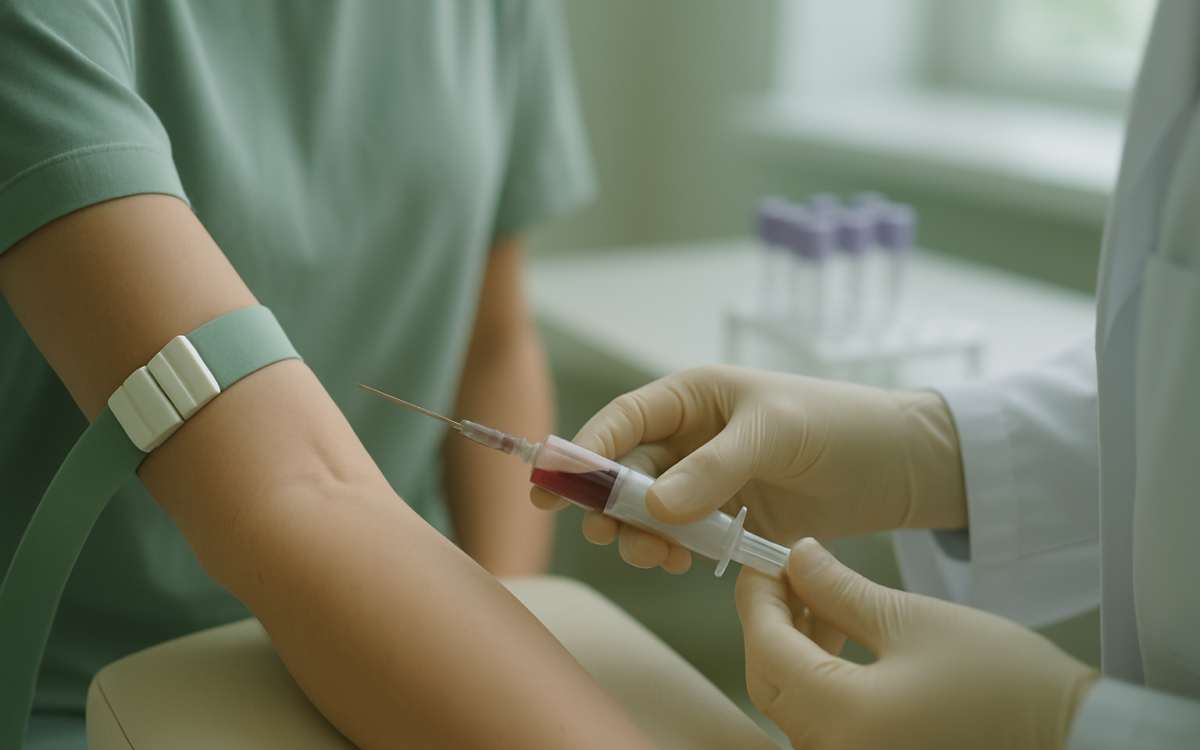
When it comes to cancer, early detection can often make a significant difference in treatment and outcomes. Many advancements in medical science have led researchers to explore various methods of diagnosing this complex disease. One area of growth has been in blood tests that may help identify cancer markers in the body. But just how effective are these tests in detecting cancer?
What Are Blood Tests for Cancer?
Blood tests used for cancer detection are designed to look for specific substances that may indicate the presence of cancer. This can include tumor markers, which are proteins produced by cancer cells, or by the body in response to cancer. Some tests evaluate the overall health of organs that might be affected by cancer, while others focus specifically on particular cancers.
Types of Blood Tests
There are several types of blood tests that healthcare providers might use when trying to determine if a patient has cancer:
- Tumor Marker Tests: These tests measure the levels of specific markers that are often elevated in cancer patients. For example, the prostate-specific antigen (PSA) test is used to screen for prostate cancer.
- Complete Blood Count (CBC): While not specific to cancer, a CBC can provide information about various blood cells. Abnormal levels may suggest conditions that warrant further investigation.
- Circulating Tumor DNA (ctDNA) Tests: These newer tests analyze tiny pieces of DNA shed by tumors into the bloodstream, helping to detect certain types of cancer even when they are not visible through imaging.
How Accurate Are Blood Tests for Cancer?
While blood tests can provide valuable insights, they are not foolproof. The accuracy depends on several factors, including:
- Type of Cancer: Some cancers produce distinct markers that can be detected easily, while others release markers that are less specific or require further testing.
- Stage of Cancer: Early-stage cancers may not always produce the markers that are detectable through these tests, which can lead to false negatives.
- Individual Variation: Each person’s body responds differently to cancer, which can affect the test results. For instance, some benign conditions can also result in elevated tumor markers.
Current Research and Future Directions
Research is advancing quickly in the area of blood tests for cancer detection. Scientists are exploring multi-cancer early detection (MCED) tests that aim to find multiple types of cancer through a single blood draw. According to the National Institutes of Health (NIH), these tests are still in the experimental phases but show promise.
Moreover, studies are being conducted to improve the precision of existing blood tests. For example, researchers are working on refining ctDNA tests to enhance their ability to detect cancer at earlier stages, potentially increasing the chances of successful treatment.
Blood Tests vs. Traditional Diagnostic Methods
Traditional cancer diagnostic methods often involve imaging techniques like X-rays, CT scans, and MRI, as well as biopsies that withdraw tissue from suspicious areas. Blood tests are non-invasive and easier for patients, but they usually cannot replace these traditional methods.
In many situations, blood tests serve as an adjunct to imaging and biopsies rather than a stand-alone diagnostic tool. They may provide preliminary information that prompts further investigation rather than definitive answers.
Limitations of Blood Tests for Cancer Detection
Despite their rapid development, blood tests for cancer detection have limitations:
- False Positives: Elevated levels of tumor markers can occur due to non-cancerous conditions, leading to unnecessary anxiety and additional testing.
- False Negatives: In some cases, cancer may not produce detectable markers or may not be present in high enough quantities to be noticed, particularly in early stages.
- Not Comprehensive: Blood tests are just one part of a broader diagnostic process. They do not provide detailed information about tumor location, size, or type.
When to See a Doctor
If you’re experiencing symptoms that could be related to cancer—such as unexplained weight loss, persistent fatigue, or unusual changes in your body—it’s important to consult your doctor. They can evaluate your situation and determine whether any tests, including blood tests, are appropriate for you.
Conclusion
Blood tests for cancer detection hold significant promise and have the potential to improve early diagnosis and treatment outcomes. However, they are not a silver bullet and come with limitations. As research continues, these tests may become more refined and accurate. If you have concerns about cancer, discussing them with your healthcare provider is always the best course of action.
