
Understanding your heart health is crucial, and one effective way to gain insights is through a cardio blood test. This simple yet significant test helps evaluate various factors that contribute to cardiovascular health, enabling early intervention if necessary. In this article, we will explore what a cardio blood test is, why it matters, the kinds of tests typically included, and when you should consider discussing it with your doctor.
What is a cardio blood test?
A cardio blood test is a laboratory evaluation used to assess risk factors related to heart disease and other cardiovascular conditions. These tests measure different substances in your blood that can indicate your heart health. While no single test can definitively say whether you have heart disease, the results can guide your healthcare provider’s recommendations for lifestyle changes, medications, or further testing.
Why is a cardio blood test important?
Cardiovascular disease remains one of the leading causes of death globally, affecting millions of people each year. Regular testing can help identify risk factors like high cholesterol levels, high blood pressure, and inflammation in the body—all of which can lead to serious complications if left unaddressed. By catching these factors early, you can take proactive steps toward improving your heart health.
Key components of a cardio blood test
Several different tests might be included under the umbrella of a cardio blood test. Here are some of the most important:
- Lipid panel: This test measures your cholesterol levels, including low-density lipoprotein (LDL), high-density lipoprotein (HDL), and triglycerides. High levels of LDL cholesterol can lead to plaque buildup in your arteries, increasing the risk of heart attack and stroke.
- High-sensitivity C-reactive protein (hs-CRP): This test detects inflammation in your body, which can be a risk factor for heart disease. Elevated hs-CRP levels may indicate an increased risk of heart-related issues.
- Blood glucose test: High blood sugar levels can increase the risk of heart disease, especially in individuals with diabetes. Monitoring this level can help assess your cardiovascular health.
- Basic metabolic panel: This test looks at various substances in your blood that can affect heart health. These include electrolytes, kidney function, glucose, and calcium levels.
Preparation for the test
The preparation for a cardio blood test usually involves fasting for 9-12 hours before the test. This fasting period helps ensure accuracy, especially for lipid panel results. Your healthcare provider will give specific instructions on how to prepare. Make sure to discuss any medications or supplements you are taking, as they may affect the test results.
What to expect during and after the test
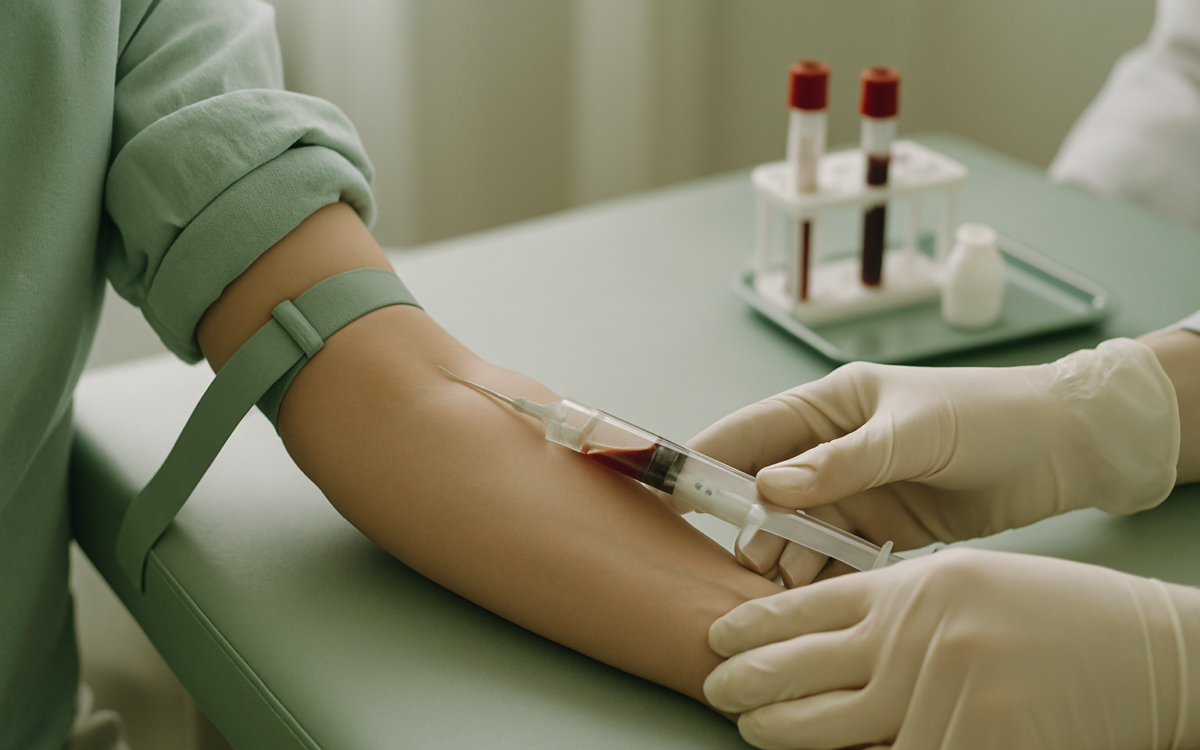
When you arrive for your blood test, a healthcare professional will typically draw blood from a vein in your arm. This process is quick and usually only causes minor discomfort. Once the blood is drawn, it will be sent to a laboratory for analysis. Results can take several days to process.
After the test, you may resume your normal activities immediately. However, follow-up with your doctor is essential to understand what the results mean for your health. If your test results indicate potential issues, your doctor may recommend further testing or lifestyle changes.
Risks associated with blood tests
While blood tests are generally safe, there are minor risks involved, including:
- Bruising at the site where blood was drawn
- Feeling faint or dizzy
- In rare cases, infection
It’s always a good idea to discuss any concerns with your healthcare provider before undergoing the test.
When to see a doctor
If you’re experiencing symptoms like chest pain, shortness of breath, or unusual fatigue, it’s vital to seek medical attention immediately. Additionally, even without symptoms, you should consider discussing a cardio blood test with your doctor if:
- You have a family history of heart disease.
- You are overweight or obese.
- You smoke or engage in other high-risk behaviors.
- You have high blood pressure or diabetes.
- You are over the age of 40.
Conclusion
A cardio blood test is a valuable tool in monitoring your heart health. By understanding what it entails and the risks involved, you can take charge of your cardiovascular well-being. Regular check-ups and vigilant monitoring can help detect problems early and prevent more severe conditions from developing. Always consult your healthcare provider to discuss your risk factors and the need for testing to ensure your heart remains healthy for years to come.
