
Coronary Heart Disease (CHD) is a leading health concern that affects millions of people worldwide. Understanding your heart health is essential for preventing complications, and the CHD blood test plays a key role in this process. This article will walk you through what this test involves, why it matters, and how it can help you take charge of your cardiovascular health.
What is the CHD Blood Test?
The CHD blood test is a comprehensive evaluation aimed at determining your risk of developing coronary heart disease. This test typically measures various biomarkers in your blood that provide insights into your heart’s health. Key components often assessed include:
- Cholesterol Levels: High levels of low-density lipoprotein (LDL) cholesterol can clog arteries, leading to heart disease.
- Triglycerides: Elevated triglyceride levels can also raise the risk for heart disease.
- High-Density Lipoprotein (HDL): Often referred to as “good” cholesterol, high levels of HDL can protect against heart disease.
- C-reactive protein (CRP): This marker indicates inflammation in the body, which can be a risk factor for heart disease.
Why is the CHD Blood Test Important?
Getting a CHD blood test is crucial because it helps identify individuals at greater risk for heart disease. Early detection can lead to timely interventions that may prevent serious health issues down the line. According to the Centers for Disease Control and Prevention (CDC), coronary heart disease is a leading cause of death, making it vital to understand your risks.
A CHD blood test can provide a clearer picture of your risk factors, such as high cholesterol or inflammation, allowing both you and your healthcare provider to make informed decisions regarding your heart health.
Who Should Get a CHD Blood Test?
While anyone can benefit from understanding their heart health, certain individuals may be more strongly encouraged to undergo a CHD blood test. Consider the following:
- Individuals aged 20 and older: Regular testing can help track cholesterol levels and heart health over time.
- Those with a family history of heart disease: Genetics play a significant role in heart health.
- People with known risk factors: If you have high blood pressure, diabetes, obesity, or smoke, you should discuss testing with your doctor.
- Adults over age 45 for men and 55 for women: Risk typically increases with age.
Consulting with your doctor can help determine if and when you should get the CHD blood test based on your personal health profile.
How is the CHD Blood Test Conducted?
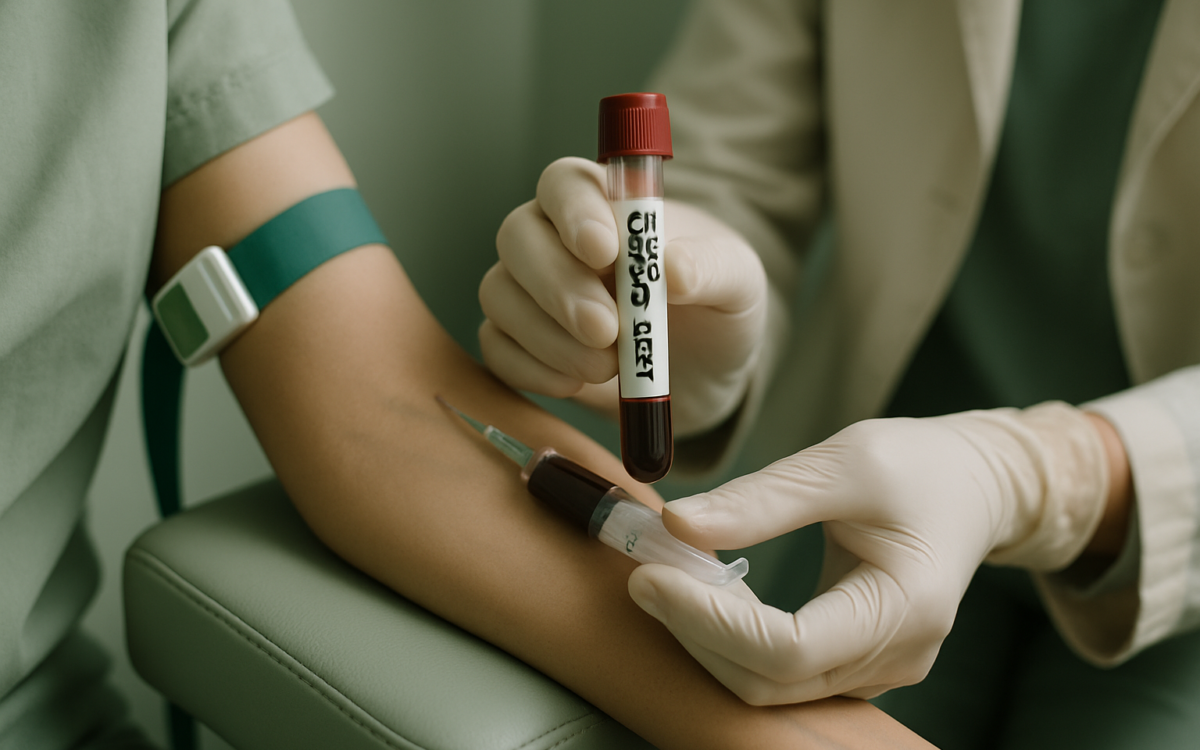
The CHD blood test is generally simple and involves drawing a blood sample from your arm. Here’s what you can expect:
- You will be asked to fast for 9 to 12 hours before the test, which means no food or drinks except for water.
- A healthcare provider will clean the area of your arm and insert a needle to take the blood sample.
- The sample will be sent to a laboratory for analysis, where it will be tested for the various biomarkers mentioned earlier.
Results are typically available within a few days to a week, depending on the lab. Your healthcare provider will review these results with you, highlighting your cholesterol levels and overall risk for coronary heart disease.
Understanding Your Results
After receiving your results, it’s important to understand what they mean. Key values to note include:
- Total cholesterol: Ideally less than 200 mg/dL is considered healthy.
- LDL cholesterol: Lower is better; aim for less than 100 mg/dL.
- HDL cholesterol: Higher levels are protective; under 40 mg/dL is considered risky.
- Triglycerides: Healthy levels are below 150 mg/dL.
Discuss these results in detail with your healthcare provider to understand your unique situation. They can help you interpret what your numbers mean for your health and any necessary lifestyle changes or treatments.
How to Lower Your Risk for CHD
Receiving a CHD blood test can serve as a wake-up call for many people. If your results indicate a higher risk for coronary heart disease, there are several ways to lower that risk:
- Adopt a heart-healthy diet: Focus on fruits, vegetables, whole grains, and lean proteins while limiting saturated fats, trans fats, and sugars.
- Exercise regularly: Aim for at least 150 minutes of moderate aerobic activity each week.
- Avoid smoking: Quitting smoking can significantly reduce your risk for heart disease.
- Manage stress: Practice stress-reducing techniques like mindfulness, yoga, or regular physical activity.
- Monitor your blood pressure and blood sugar: Regular check-ups can help keep these levels in check.
Making these lifestyle changes can not only improve your overall health but also significantly lower your risk of heart-related issues.
When to See a Doctor
If you’re concerned about your heart health or have a family history of coronary heart disease, it’s important to consult with a healthcare provider. Consider making an appointment if you experience symptoms such as:
- Chest pain or discomfort
- Unexplained shortness of breath
- Fatigue during normal activities
- Irregular heartbeats
Always prioritize your heart health and seek professional guidance to understand the role of tests like the CHD blood test in your health journey.
In conclusion, the CHD blood test is a vital tool in assessing your risk for coronary heart disease. By understanding your results and taking proactive steps towards a healthier lifestyle, you can better manage your heart health. Always consult your doctor for personalized advice and recommendations based on your health needs.
