
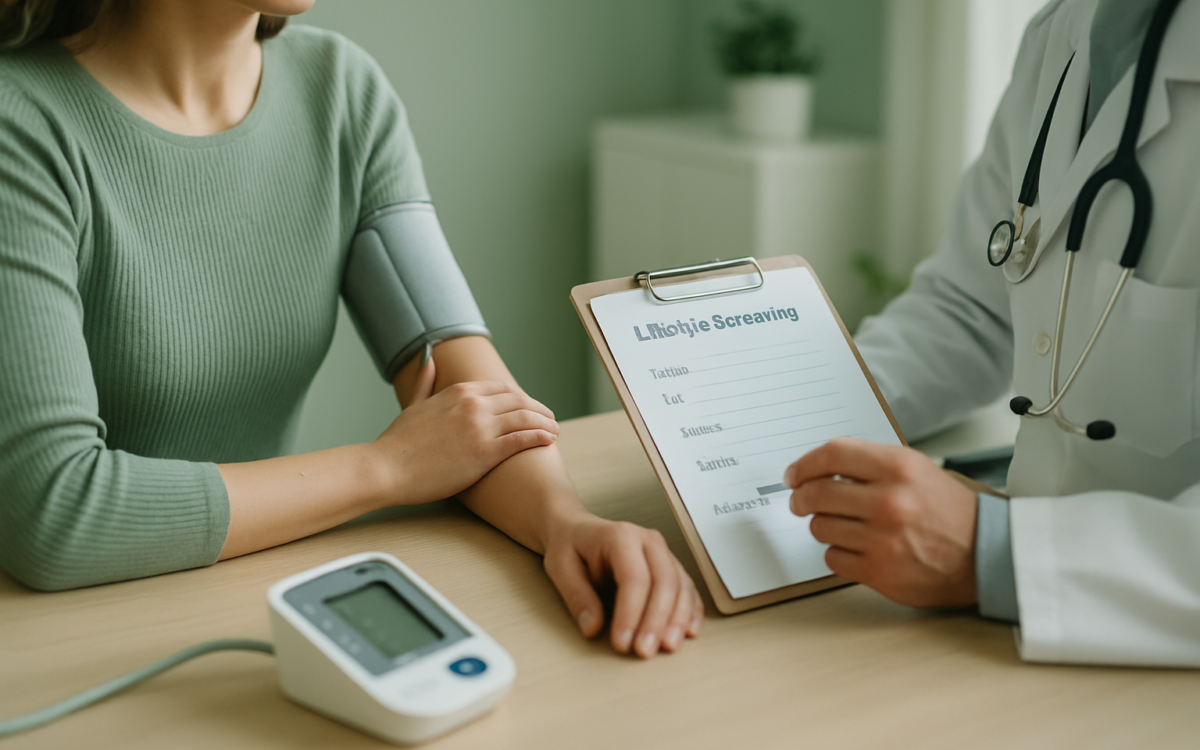
In today’s fast-paced world, keeping track of our health can feel overwhelming. Yet, it is essential for living a long, vibrant life. One valuable tool that can help you assess your health is lifestyle screening. This process evaluates your daily habits, such as diet, exercise, and stress management, to identify potential health risks. By understanding your lifestyle more clearly, you can make informed choices that promote better health.
What is Lifestyle Screening?
Lifestyle screening is an assessment process used to gain insights into your health based on the choices and behaviors that shape your daily life. This can include an examination of:
- Nutrition and eating habits
- Physical activity levels
- Sleep patterns
- Stress and mental well-being
- Substance use (like tobacco, alcohol, or drugs)
- Preventive health care practices
The aim is to identify areas where you might be at risk of developing chronic diseases, such as diabetes, heart disease, or obesity, and to suggest proactive adjustments to your lifestyle.
Why is Lifestyle Screening Important?
Lifestyle screening serves several important purposes. First, it allows you to take a proactive approach to your health. Instead of waiting for symptoms to arise, screening can help identify risk factors early on. Early detection often translates to more effective management and prevention strategies.
Furthermore, it encourages self-reflection and awareness about your personal health. Many people may not realize how their daily habits impact their overall wellness. Through lifestyle screening, you can see patterns in your behavior and its effects on your body and mind.
Components of Lifestyle Screening
An effective lifestyle screening typically covers several aspects:
1. Nutrition
Your diet plays a crucial role in your overall health. Nutritional assessments might evaluate your intake of fruits, vegetables, whole grains, and processed foods. Poor nutrition can lead to various health issues, so understanding your dietary habits is vital.
2. Physical Activity
Regular exercise is essential to maintain a healthy body. Lifestyle screening checks how often you engage in physical activities, whether it’s structured exercise or everyday movements. The CDC recommends at least 150 minutes of moderate-intensity aerobic activity each week for adults.
3. Sleep Quality
Quality sleep is often overlooked but is essential for physical and mental health. Understanding your sleep patterns can help identify issues such as insomnia or sleep apnea, which can lead to serious health concerns if left unaddressed.
4. Stress Management
High stress levels can negatively impact both physical and mental health. Screening can explore your stress management techniques and how you cope with life’s pressures. Effective stress management can enhance your overall well-being.
How to Prepare for a Lifestyle Screening
<pPreparing for a lifestyle screening doesn’t have to be complicated. Here are some tips to get ready:
- Keep a Journal: Track your daily activities for a week or two. Note your meals, exercise routines, sleep times, and any stressors you encounter.
- Be Honest: When discussing your habits, be truthful. This information is vital for a meaningful evaluation.
- Set Goals: Think about what changes you would like to make in your lifestyle. Setting clear goals can guide you in your health journey.
Consider using online resources or health applications to help monitor your health metrics, such as caloric intake, exercise frequency, and sleep quality.
What to Expect After the Screening
After your lifestyle screening, you may receive a personalized report outlining your risk factors and recommendations for improvement. This feedback will vary based on your specific lifestyle choices.
You may be advised to:
- Increase physical activity
- Improve dietary habits
- Manage stress through mindfulness or relaxation techniques
- Schedule regular health check-ups
Remember that the goal is not only to reduce risks but also to enhance your overall quality of life.
When to See a Doctor
If you identify specific health risks during your lifestyle screening, consider scheduling a visit with your doctor. This is particularly important if you experience:
- Persistent fatigue or sleep problems
- Unexplained weight changes
- Ongoing stress or anxiety
- Chronic illnesses in your family history
Consulting a healthcare professional can provide deeper insights and more tailored health strategies.
Conclusion
Lifestyle screening is a powerful tool that can help you take charge of your health. By understanding your habits and how they affect your well-being, you can make informed decisions that enhance your quality of life. Regularly assessing your lifestyle not only helps in early detection of potential health issues but also empowers you to create lasting, positive changes. Your health is a journey, and lifestyle screening is a step toward a healthier future.
