
Heart disease remains one of the leading causes of death in the United States and worldwide. The health of our hearts is crucial to our overall well-being, and understanding any potential blockages is key to maintaining that health. This article explores various tests available for assessing heart blockages, their significance, and how to interpret the results. Whether you’re feeling some unusual symptoms or simply want to understand your heart health better, there’s valuable insight ahead.
What is heart blockage?
Heart blockage occurs when the arteries that supply blood to the heart become narrowed or blocked. This can be due to a buildup of cholesterol, fat, or other substances in the artery walls, a condition known as atherosclerosis. A blockage can restrict blood flow to the heart, potentially leading to serious health complications such as angina (chest pain), heart attack, or even heart failure. Understanding the state of your heart can help you make informed health decisions.
Symptoms that may indicate heart blockage
Recognizing the signs of heart blockage is crucial. Here are some common symptoms:
- Chest pain or pressure, especially during physical activity
- Shortness of breath
- Fatigue or weakness
- Dizziness or lightheadedness
- Palpitations or an irregular heartbeat
If you experience any of these symptoms, it is vital to discuss them with your healthcare provider. Early detection can lead to better management and treatment options.
Common tests for detecting heart blockage
Various tests are available to diagnose heart blockage. Here are some of the most common:
1. Electrocardiogram (ECG or EKG)
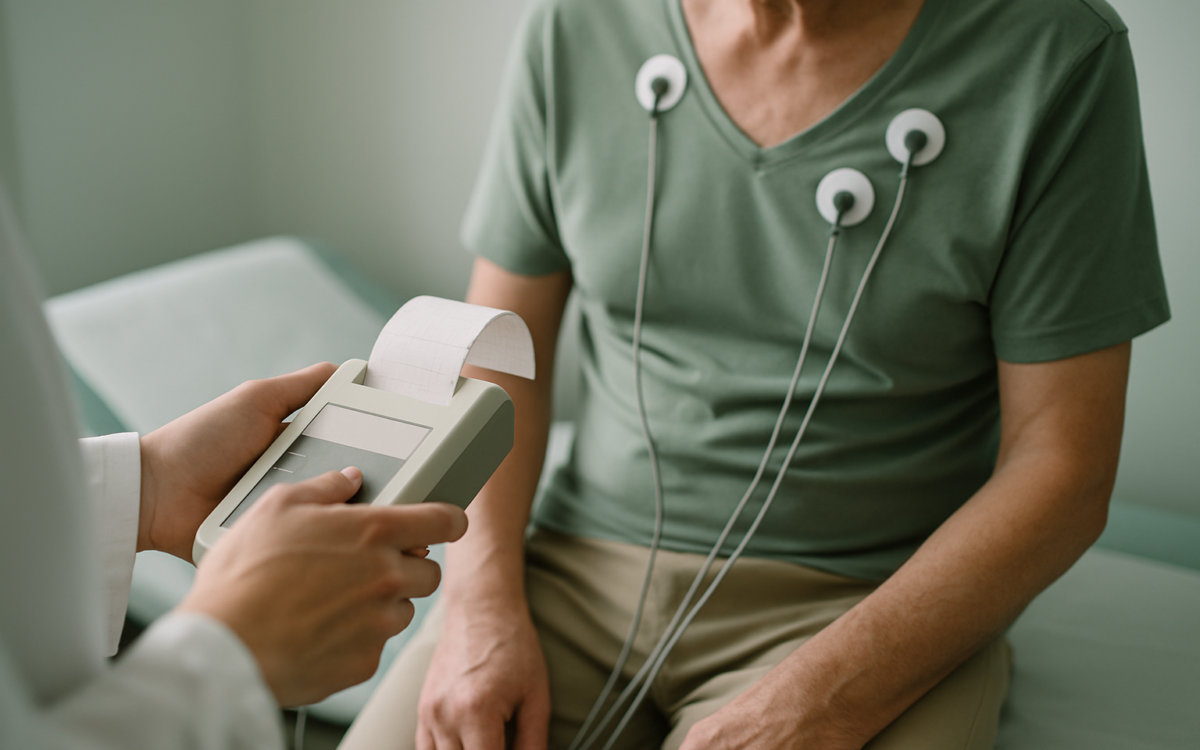
This is a simple test that measures the electrical activity of the heart. It can help identify irregularities in heart rhythm and signs of past or current heart issues. An ECG is quick, painless, and often performed in your doctor’s office.
2. Stress Test
A stress test monitors how the heart performs under physical stress. During this test, you may walk on a treadmill or pedal on a stationary bike while your heart rate, blood pressure, and ECG are monitored. This can reveal how well your heart is functioning and whether it is receiving enough blood during exercise.
3. Echocardiogram
Using sound waves, an echocardiogram creates images of your heart’s structure and function. This test can help identify issues with heart valves or chambers, as well as any blockages that may affect blood flow. An echocardiogram is non-invasive and usually does not require any special preparation.
4. Coronary Angiography
This test provides detailed images of the coronary arteries. A thin tube called a catheter is threaded through a blood vessel to the coronary arteries, and a special dye is injected. This dye makes the arteries visible on X-ray images, allowing doctors to see blockages or narrowing. Coronary angiography is often used to determine the need for more invasive treatments, such as angioplasty or bypass surgery.
5. Computed Tomography (CT) Scan
A coronary CT angiogram is another option for visualizing blood vessels in the heart. This test involves taking detailed images of the heart and surrounding structures, providing information about blockages. It’s a less invasive option compared to coronary angiography.
How to prepare for a heart blockage test
Preparation can vary depending on the specific test being performed. Here are general tips to keep in mind:
- Inform your doctor of any medications you are taking, including over-the-counter drugs and supplements.
- Follow any fasting instructions if applicable, especially for tests like a CT scan or angiogram.
- Wear comfortable clothing, especially if you’re undergoing a stress test.
Your healthcare provider will provide you with specific instructions to ensure accurate results. It’s vital to follow these guidelines closely.
Interpreting your test results
Test results can vary widely and are influenced by several factors, including your age, medical history, and overall heart health. Here’s a brief overview of what to expect:
- Normal Results: If your tests are normal, your heart is likely functioning well, and you may only need routine check-ups.
- Abnormal Results: An abnormal finding might indicate a blockage or other heart issues. In such cases, further evaluation and potentially treatment options will be discussed.
Your healthcare provider will explain your results in detail and help you understand the next steps.
When to see a doctor
If you experience any symptoms associated with heart blockage, such as unexplained chest pain, shortness of breath, or constant fatigue, it is essential to consult a healthcare professional promptly. Regular check-ups and proactive approaches to heart health are crucial in preventing serious health issues.
Conclusion
Understanding heart blockage and the tests available to diagnose it can empower you to take control of your heart health. By recognizing symptoms early and getting the right tests, you can work with your healthcare provider to create a tailored strategy for keeping your heart in excellent condition. Knowledge is power, so stay informed and proactive about your heart health.
