
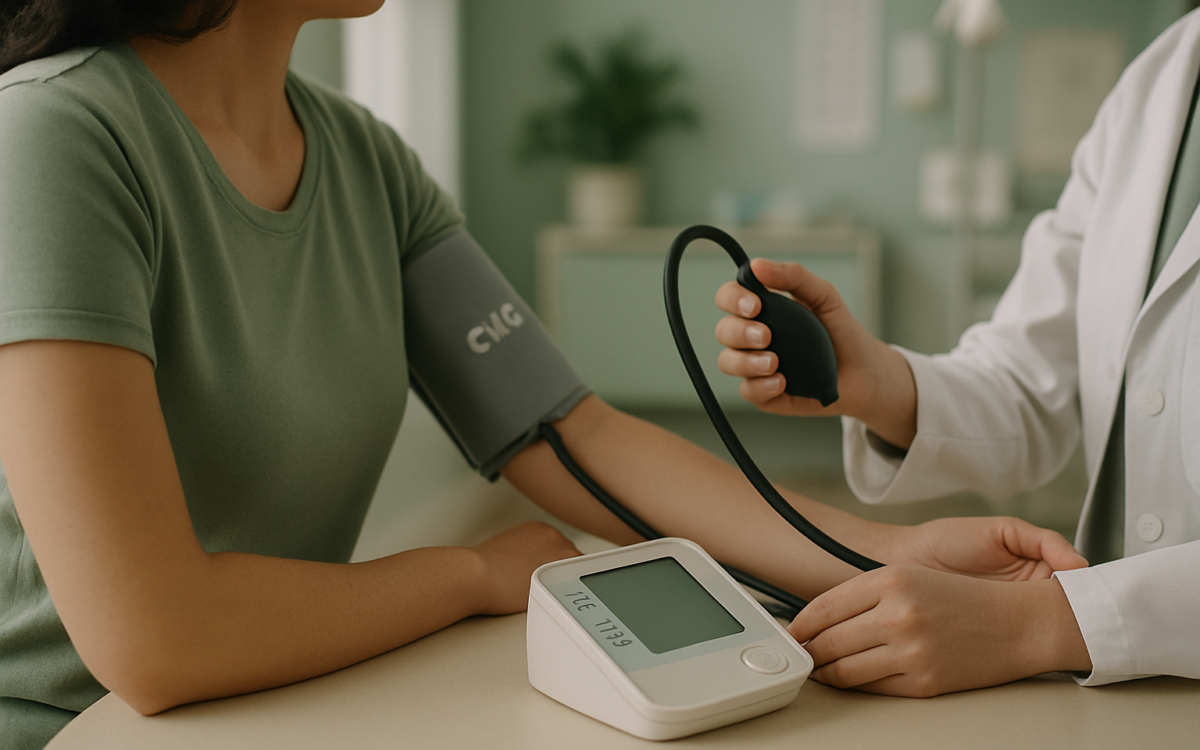
In today’s fast-paced world, keeping track of your health can sometimes take a backseat. Many individuals feel overwhelmed by the complexities of health management. This is where a CVS biometric screening can step in to help simplify things. Biometric screenings are quick tests that provide essential health information, helping you gather vital insights into your well-being. Understanding your body’s numbers can be the first step toward a healthier you.
What Is CVS Biometric Screening?
CVS biometric screening is a health assessment that measures key health indicators. The tests usually assess factors such as blood pressure, cholesterol levels, glucose levels, and body mass index (BMI). These numbers can give you and your healthcare provider a clearer picture of your current health state. The screenings are typically quick and easy, often taking just a few minutes to complete.
Why Is Biometric Screening Important?
Biometric screenings are crucial for several reasons:
- Early Detection: Many health conditions, such as diabetes and heart disease, can develop silently. By keeping an eye on your biometric data, you may be able to detect potential issues before they become serious. The CDC highlights the importance of preventive health screenings in reducing disease burden.
- Personalized Health Goals: By knowing your specific health metrics, you can set realistic health goals tailored to your needs. For instance, if your BMI indicates obesity, you could work on a weight management plan with your doctor.
- Encourages Healthy Behavior: Simple screenings can motivate you to make healthier lifestyle choices. Awareness of your health numbers can inspire you to eat better, exercise, and focus on overall wellness.
What to Expect During a CVS Biometric Screening
When you go for a CVS biometric screening, you can expect the process to be straightforward:
- Preparation: Some screenings may require you to fast for a few hours prior. Make sure to check with the details provided when you schedule your screening.
- Testing: A healthcare professional will take samples, like blood and urine, alongside basic tests like pulse and blood pressure checks. This will provide a data set, including cholesterol levels, glucose levels, and BMI.
- Results: After the screening, there will typically be a short wait for your results. Many CVS locations will give you your numbers on the spot, while others may require time for lab processing.
How Biometric Data Can Guide Your Health Journey
Interpreting your biometric data is where the real value lies:
- Blood Pressure: High blood pressure can lead to serious conditions such as heart disease. Knowing your numbers allows you to discuss with your doctor preventive measures or lifestyle changes.
- Cholesterol Levels: Understanding your cholesterol helps you manage your risk of heart disease. A higher than normal cholesterol level can signal the need for dietary or lifestyle changes.
- Blood Glucose Levels: Monitoring your glucose can help identify the risk of type 2 diabetes. If your levels are abnormal, your doctor might suggest more comprehensive testing or dietary adjustments.
Who Should Consider CVS Biometric Screening?
While everyone can benefit from biometric screenings, certain groups should consider them more seriously:
- Adults Over 40: As we age, the risk of chronic diseases increases. Regular screenings can provide critical information on your health status.
- Individuals with Family History: If you have a family history of conditions like diabetes or heart disease, regular screenings can help catch any issues early.
- Health Enthusiasts: If you’re already on a wellness journey, knowing your biometric data can help track progress and adjust your goals as needed.
Limitations of Biometric Screenings
While biometric screenings are beneficial, it’s essential to understand their limitations. These screenings are just a snapshot of your current health. They cannot diagnose conditions outright and should be complemented with routine check-ups and discussions with your healthcare provider. Furthermore, different factors can influence your results, including stress or temporary illness. Always consult your doctor to understand your screening results fully and to discuss any necessary follow-up tests.
When to See a Doctor
If you experience any concerning symptoms, such as persistent fatigue, unintentional weight loss, or unusual hunger and thirst, you should consult your doctor. It’s essential not to wait for your next screening if you notice significant changes in your health.
Conclusion
CVS biometric screenings provide a valuable tool in your health management toolkit. By knowing your numbers, you can take charge of your health and work proactively with your healthcare team. Consider making these screenings a regular part of your routine to help you live your healthiest life.
