
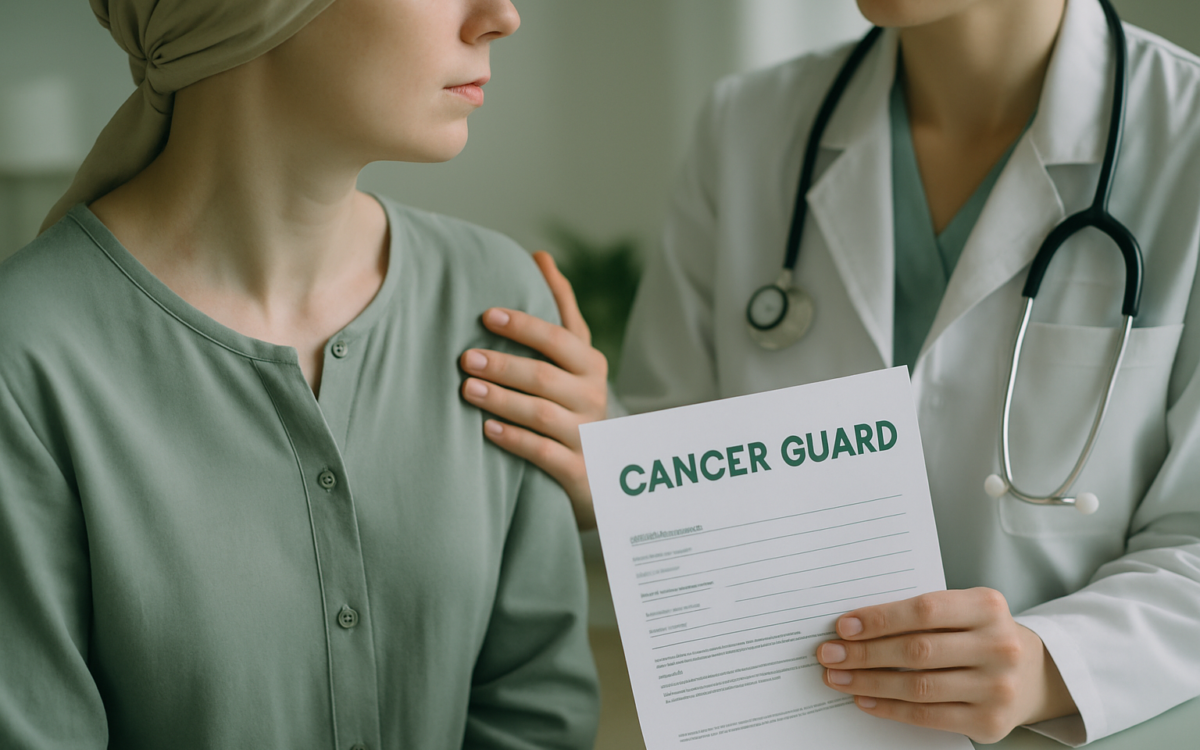
Cancer is one of the leading health concerns worldwide, affecting millions of people every year. While a cancer diagnosis can be daunting, there is a growing emphasis on prevention strategies that can help reduce the risk of developing cancer. This concept of ‘cancer guard’ focuses on proactive measures you can take to improve your overall health and enhance your body’s defenses against cancer.
Understanding Cancer Risk Factors
To effectively guard against cancer, it’s essential to understand what contributes to its development. Cancer risk factors can be categorized into two main types: modifiable and non-modifiable.
- Modifiable factors include lifestyle choices such as smoking, diet, exercise, and sun exposure. Making healthy changes in these areas can significantly lower your risk.
- Non-modifiable factors include genetics and age. While you can’t change these, understanding them can help you make informed decisions about screenings and preventive measures.
For instance, certain inherited genetic mutations (like BRCA1 and BRCA2) can increase the risk of breast and ovarian cancer. Regular consultations with health professionals can guide you in assessing your risk based on family history.
Adopting a Healthy Lifestyle
One of the most effective ways to serve as your ‘cancer guard’ is by adopting a healthy lifestyle. Here are some key elements:
Nutrition
A balanced diet rich in fruits, vegetables, whole grains, and lean proteins can boost your immune system. Certain foods, like berries, tomatoes, and leafy greens, are particularly noted for their cancer-fighting properties. Try to limit processed foods, saturated fats, and sugars, which can contribute to weight gain and related health issues.
Physical Activity
Regular physical activity is another cornerstone of cancer prevention. Aim for at least 150 minutes of moderate aerobic exercise each week. This can include walking, swimming, or biking. Regular exercise helps maintain a healthy weight, which can lower the risk for several types of cancer, including breast and colon cancer.
Regular Screenings and Early Detection
Screenings are crucial in the fight against cancer, as they can detect early signs before symptoms appear. Depending on your age, gender, and risk factors, recommended screenings may include:
- Mammograms for breast cancer, typically starting at age 40 or 50
- Colonoscopies for colorectal cancer, recommended to start at age 45
- Paps and HPV tests for cervical cancer, usually beginning at age 21
Consulting with your healthcare provider can help you determine which screenings are appropriate for you based on your personal health history. Early detection can lead to more effective treatment and better outcomes.
The Role of Vaccinations
Vaccinations also play a role in cancer prevention. The human papillomavirus (HPV) vaccine can significantly reduce the risk of cervical and other cancers linked to HPV. Hepatitis B vaccination can lower the risk of liver cancer. Vaccines are a critical component of cancer guard strategies, especially for younger populations.
Staying Informed and Reducing Environmental Risks
Besides lifestyle choices and medical screenings, being aware of your environment can enhance your cancer guard efforts. Avoid exposure to known carcinogens, such as:
- Tobacco smoke
- Excessive sunlight without protection
- Certain chemicals found in workplace environments
Learn about any potential environmental hazards in your community. Organizations like the EPA and CDC provide resources about safe living practices and environmental health.
Emotional and Mental Health
Mental health is often overlooked when discussing cancer prevention, but it plays a vital role in overall well-being. Stress, depression, and anxiety can weaken your immune system, making it harder for your body to fend off illness, including cancer. Engage in stress-reducing activities such as:
- Yoga or meditation
- Participating in hobbies
- Maintaining strong social connections
Consider speaking with a counselor or therapist if you’re feeling overwhelmed. Taking care of your mental health is a vital part of being your own cancer guard.
When to See a Doctor
It’s essential to remain proactive about your health. If you notice any unusual changes in your body, such as unexplained weight loss, persistent fatigue, or new growths, schedule a visit with your healthcare provider. Early attention can lead to timely interventions, which are crucial for effectively managing potential health issues.
Conclusion
Creating a personal cancer guard strategy involves understanding your risks, adopting a healthy lifestyle, staying on top of screenings, and advocating for your health. By making informed choices and being proactive, you can greatly reduce your risks and enhance your overall well-being. Remember, consult with your healthcare provider regularly to refine your approach to cancer prevention.
