
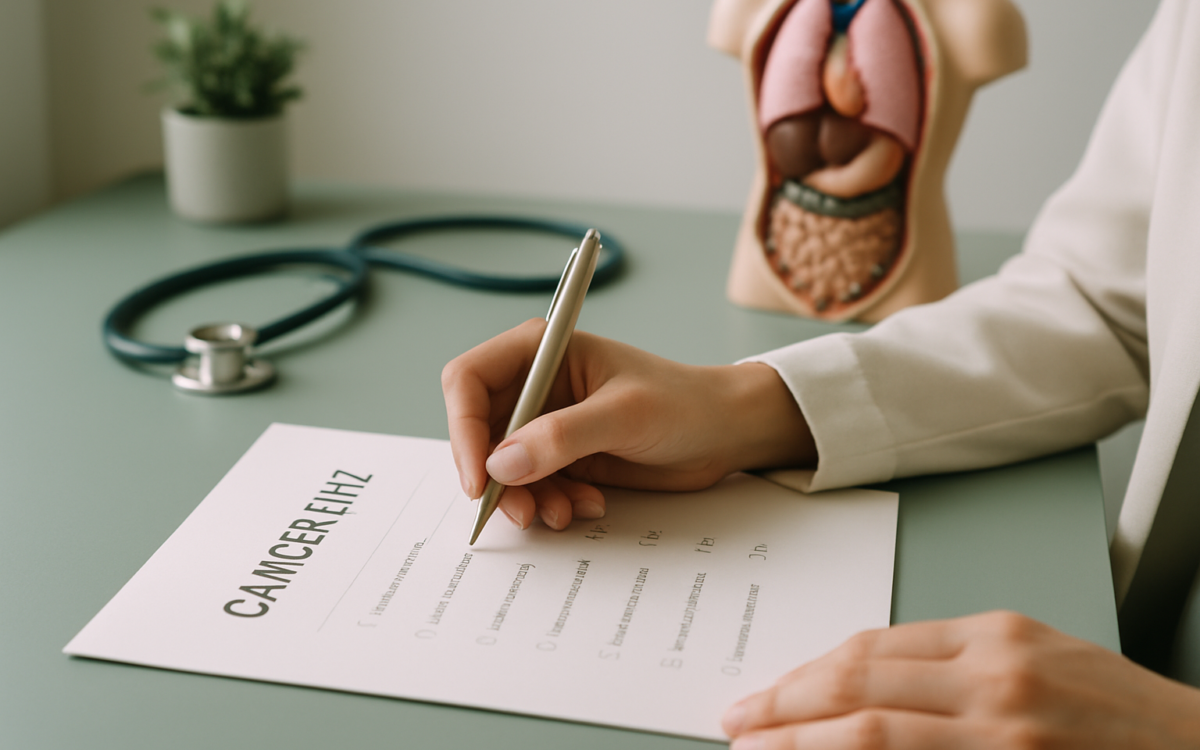
Cancer affects millions of people each year, yet misconceptions about the disease are widespread. Educating ourselves can be the first step toward prevention and better health outcomes. This article presents a cancer quiz that will not only challenge your knowledge but also provide insights into the various aspects of cancer. Let’s dive in!
What Is Cancer?
Cancer is not just one disease but a group of over 100 different types that can affect any part of the body. Each type of cancer begins when cells start to grow uncontrollably, bypassing the normal regulatory mechanisms that manage cell growth and division. This uncontrolled growth can lead to the formation of tumors or other complications. Below are some common facts that you might encounter in our quiz:
- There are over 100 different types of cancer.
- Cancer can occur at any age.
- Certain lifestyle factors can increase the risk of developing cancer.
Common Cancer Myths and Misconceptions
A significant number of people believe myths about cancer that can hinder their understanding and acceptance of the disease. Some common misconceptions include:
- Myth: Only older adults get cancer.
Fact: Cancer can occur in younger individuals, including children. - Myth: You can get cancer from being around someone with it.
Fact: Cancer is not contagious. - Myth: A diagnosis of cancer is always a death sentence.
Fact: Many types of cancer can be treated successfully, especially when caught early.
Risk Factors and Prevention
Understanding the risk factors for cancer is crucial for prevention. Here are some of the primary risk factors:
- Tobacco use: Smoking increases the risk of various types of cancer, particularly lung cancer.
- Obesity: Being overweight is associated with an increased risk of multiple cancers, including breast and colon cancer.
- Diet: A diet low in fruits and vegetables and high in processed foods can contribute to cancer risk.
- Lack of physical activity: Regular exercise can reduce the risk of several cancers.
Preventive measures include:
- Regular screenings and check-ups.
- A healthy diet rich in fruits, vegetables, and lean proteins.
- Avoiding tobacco and limiting alcohol consumption.
- Staying physically active.
Signs and Symptoms to Watch For
Being aware of cancer symptoms can lead to early detection. Although the symptoms can vary greatly depending on the type of cancer, some common warning signs include:
- Unexplained weight loss.
- Persistent fatigue.
- Changes in the skin, such as new moles or changes in existing moles.
- A persistent cough or difficulty swallowing.
- Unusual bleeding or discharge from any part of the body.
If you notice any of these signs, it’s important to consult a healthcare provider.
Cancer Treatment Options
Cancer treatment has come a long way in recent years. Some common treatment options include:
- Surgery: This involves removing the tumor and surrounding tissue.
- Radiation therapy: High-energy rays are used to kill cancer cells.
- Chemotherapy: This treatment uses drugs to kill cancer cells or stop their growth.
- Immunotherapy: This employs the body’s immune system to fight cancer.
- Targeted therapy: Focuses on specific genes or proteins that contribute to cancer growth.
It’s essential to discuss with your healthcare provider the best options based on individual circumstances, including cancer type and stage.
Taking the Next Step: The Cancer Quiz
Now that you have a foundation of knowledge about cancer, it’s time to put that knowledge to the test with our cancer quiz!
- Question 1: What percentage of cancers are preventable?
A) 10% B) 30% C) 50% D) 70% - Question 2: Which of the following is NOT a common cancer treatment?
A) Radiation B) Chemotherapy C) Antibiotics D) Surgery - Question 3: True or False: All cancers can be treated the same way.
Test your knowledge and discuss the answers with friends or family. You may inspire others to learn more about cancer awareness!
When to See a Doctor
If you have concerns about cancer or notice any unusual symptoms, it’s important to seek medical attention. Regular check-ups can also help in early detection and improve outcomes. Consult a healthcare professional to discuss any changes in your health or if you have questions about your cancer risk.
For more information on cancer detection and prevention, you can explore resources from reputable organizations such as the Centers for Disease Control and Prevention or the National Cancer Institute.
By promoting awareness and education, we can fight cancer together!
