
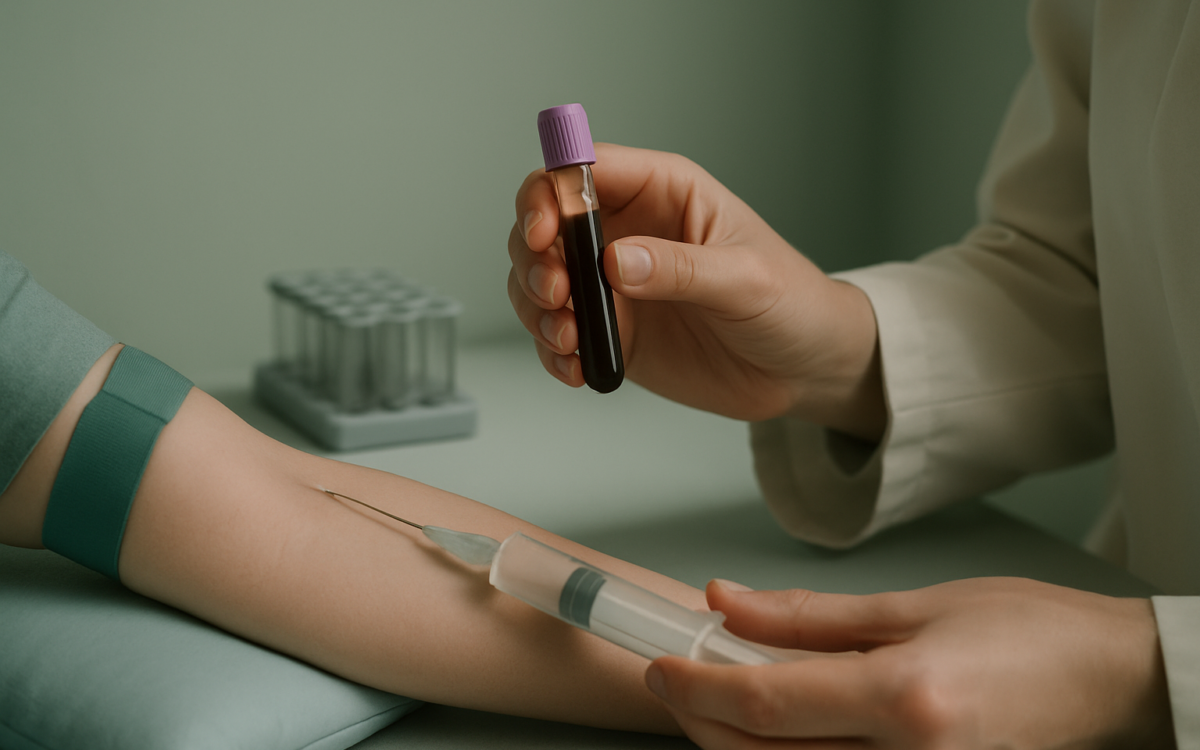
When it comes to cancer, early detection can make a significant difference in treatment outcomes. While many people think of imaging tests like X-rays or MRIs when they hear the word ‘cancer,’ blood tests can also play a crucial role in diagnosing this complex set of diseases. But what exactly are these blood tests? In this article, we will explore the different types of blood tests that can check for cancer, what they look for, and when they might be used.
What are tumor markers?
Tumor markers are substances that are often produced by cancer cells or by the body in response to cancer. These markers can be detected in blood, urine, or tissue and are used to aid in diagnosing cancer, monitoring treatment, and assessing the effectiveness of therapies. However, it’s important to note that tumor markers are not diagnostic tools on their own. They can sometimes be elevated due to non-cancerous conditions, so a healthcare provider will typically consider them alongside other tests and evaluations.
Common blood tests for cancer detection
There are various blood tests that can help screen for or indicate cancer. Here are several notable ones:
1. Complete Blood Count (CBC)
A CBC measures different components of your blood, including red blood cells, white blood cells, and platelets. While not specific for cancer, abnormal levels can indicate various conditions, including blood cancers such as leukemia. For instance, a significantly low count of red blood cells (anemia) or an unusually high count of white blood cells can raise suspicion for something more serious, prompting further testing.
2. Tumor Marker Tests
- Prostate-Specific Antigen (PSA): This test is primarily used for prostate cancer detection. Elevated levels of PSA in the blood can indicate the presence of prostate cancer, although they may also rise due to non-cancerous conditions.
- CA-125: Often used to monitor ovarian cancer, CA-125 levels can also be elevated in other conditions. While it is not a definitive diagnostic tool, it can be helpful in tracking treatment effectiveness.
- Carcinoembryonic Antigen (CEA): This test is used for various cancers, including colorectal cancer. Elevated CEA levels can suggest the presence of cancer but can also be influenced by other factors, such as smoking or certain benign tumors.
- Alpha-fetoprotein (AFP): AFP is primarily used to monitor liver cancer and germ cell tumors. High levels may indicate liver cancer, but can also be elevated in conditions such as liver disease.
How are these tests used?
Blood tests for cancer can serve several purposes, including:
- Screening: Some tests, like PSA, are used to screen for cancer in people who may be at higher risk.
- Diagnosis: Elevated tumor markers or unusual findings in a CBC can prompt further testing and evaluations to diagnose cancer.
- Monitoring treatment: After a cancer diagnosis, blood tests may be used to monitor how well a person is responding to treatment.
- Detecting recurrence: In some cases, measuring tumor markers after treatment can help detect if cancer has returned.
Limitations of blood tests
While blood tests can provide valuable information, they are not perfect tools for cancer detection. False positives and false negatives can occur for various reasons. For example, a high PSA level might not always indicate cancer; other conditions like benign prostatic hyperplasia (BPH) can also increase PSA levels. Similarly, elevated levels of CA-125 can be found in conditions such as endometriosis or pelvic inflammatory disease, leading to unnecessary anxiety and further testing.
Blood tests are best used in conjunction with other diagnostic tools such as imaging tests, biopsies, and a thorough medical history. A healthcare provider will integrate all these pieces of information to arrive at a more accurate diagnosis.
When should you consider getting tested?
Not everyone needs blood tests for cancer. The decision to conduct these tests typically depends on various factors, including age, family history of cancer, and symptoms. If you have concerns about cancer, discuss them with your healthcare provider, who can help determine the appropriate steps.
When to see a doctor
If you experience persistent symptoms such as unexplained weight loss, fatigue, pain, or changes in appetite, it’s essential to consult a healthcare provider. Regular check-ups and discussions about your health can help determine whether blood tests or other diagnostic measures are necessary.
Conclusion
Blood tests can play a vital role in cancer detection and management. From tumor markers to a complete blood count, these tests provide valuable information about your health. However, they are most effective when combined with other diagnostic methods and clinical evaluations. Always consult with your healthcare provider to understand the appropriate tests for your individual health needs. Early detection remains a crucial element in improving cancer outcomes.
For more information, visit trusted resources such as the National Institutes of Health and the Mayo Clinic.
