
Cancer is a significant health concern worldwide, affecting millions of people every year. Early detection is a key factor in improving survival rates and treatment outcomes. One tool that is increasingly being discussed in the medical community is blood screening for cancer. In this article, we will explore what blood screening entails, the types of tests available, and how they can assist in the early diagnosis of cancer.
What is blood screening for cancer?
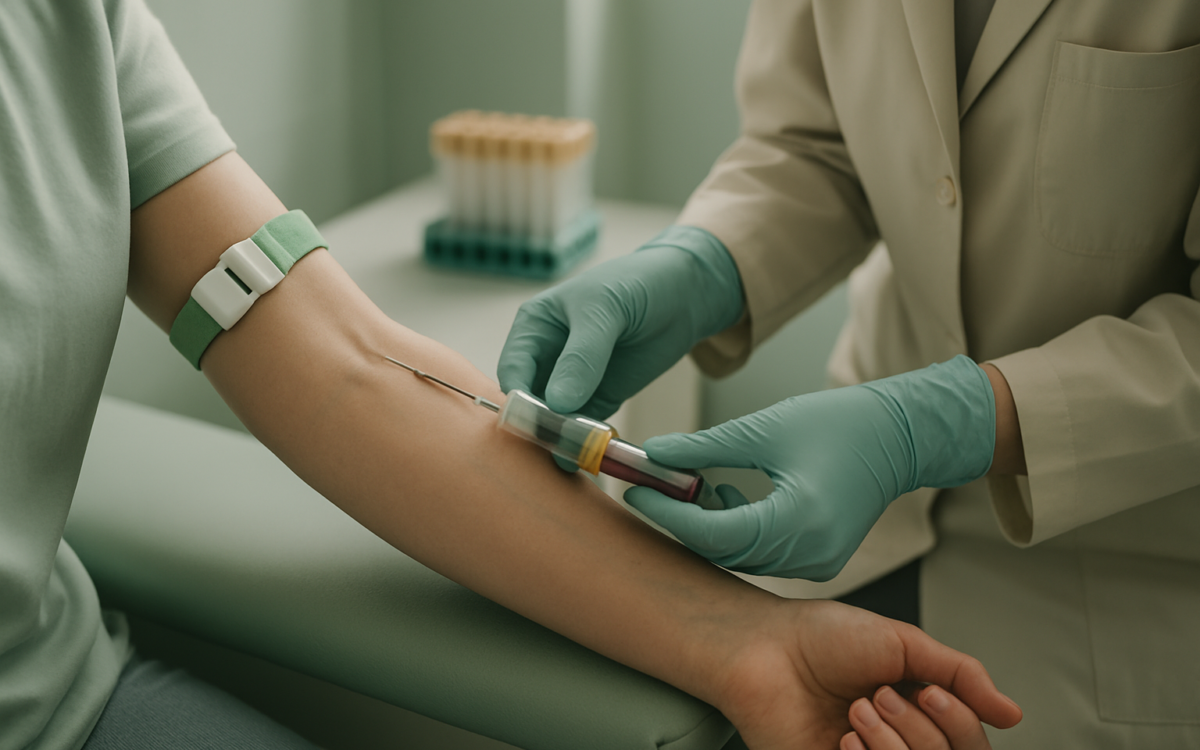
Blood screening for cancer includes various laboratory tests performed on a sample of blood to detect indicators or markers that may suggest the presence of cancer. These tests are not a definitive way to diagnose cancer but serve as preliminary assessments that can signal the need for further investigation.
How does blood screening work?
Blood screening usually involves analyzing specific substances in the blood, such as tumor markers or genetic indicators. These substances can change in response to cancer. Depending on the type of cancer being screened for, different tests may be used. Some common tests include:
- Complete Blood Count (CBC): While not specifically a cancer test, a CBC can reveal abnormalities that may suggest the presence of blood cancers like leukemia.
- Prostate-Specific Antigen (PSA): This test assesses the level of PSA in the blood, which can be elevated in men with prostate cancer.
- CA-125: Often used to monitor treatment in ovarian cancer, this test can also help detect the disease in symptomatic women.
- Alpha-fetoprotein (AFP): Elevated levels of AFP might indicate liver or testicular cancer.
Benefits of blood screening
Blood screening can offer several benefits when it comes to cancer detection. Here are some key advantages:
- Early Detection: Identifying cancer in its early stages can significantly improve treatment outcomes. Early-stage cancers are often more treatable and can lead to higher survival rates.
- Less Invasive: Blood tests are generally less invasive than other diagnostic methods, such as biopsies. They require only a blood sample, making the testing process easier and more comfortable for patients.
- Monitoring Progress: For individuals already diagnosed with cancer, blood tests can help monitor treatment effectiveness and detect any recurrence of the disease.
Limitations and challenges
It’s essential to understand that blood screening is not foolproof and comes with limitations. Here are some challenges associated with these tests:
- False Positives: Elevations in tumor markers can occur due to non-cancerous conditions, leading to unnecessary anxiety and additional tests.
- Not a Diagnostic Tool: Blood tests alone cannot diagnose cancer. They are usually part of a comprehensive evaluation that includes imaging tests and clinical assessments.
- Limited Screening Capabilities: Currently, there are only a few cancers for which blood screening is widely recommended. The effectiveness of screening depends on the specific cancer type.
Current recommendations
Health organizations have established guidelines regarding blood screenings for certain cancers. While screening recommendations can vary based on risk factors such as age, family history, and lifestyle, here are some general guidelines:
- The Centers for Disease Control and Prevention (CDC) recommends regular screenings for certain types of cancer, but blood tests are mainly encouraged only in specific populations.
- The American Cancer Society advises discussions with healthcare providers about the potential need for blood tests, particularly in high-risk groups.
- Consultation with a healthcare professional is crucial to determine the right screening plan based on individual risk factors.
When to see a doctor
If you have concerns about cancer or notice any symptoms, it’s essential to talk to your healthcare provider. Some warning signs that may warrant further evaluation include:
- Unexplained weight loss
- Persistent fatigue
- Changes in bowel or bladder habits
- New lumps or growths
- Unusual bleeding or discharge
Conclusion
Blood screening for cancer is a valuable tool that can assist in early detection and monitoring of the disease. While it has its benefits, it is essential to approach these tests with an understanding of their limitations. If you have any concerns about cancer, the best course of action is to consult with your healthcare provider to discuss your risk factors and screening options. Early detection is one of the most important steps in fighting cancer, and understanding the role of blood screening can help empower individuals in their health journeys.
