
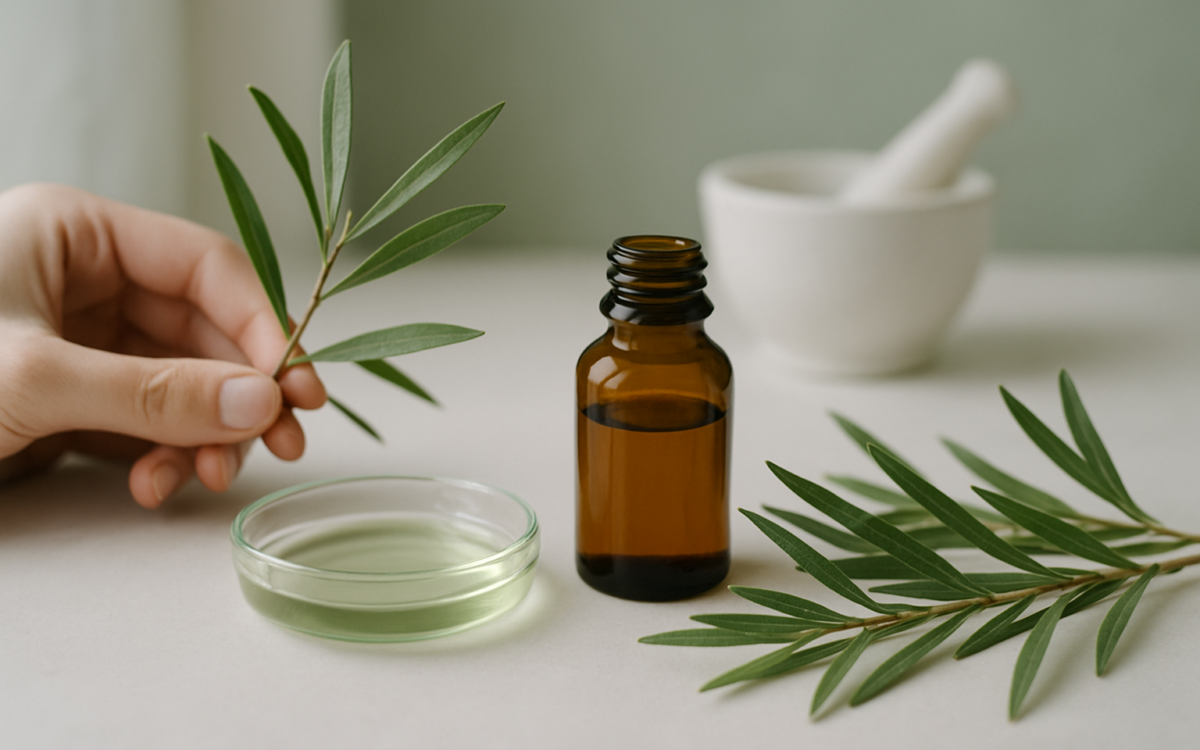
Tea tree oil, derived from the leaves of the Melaleuca alternifolia, has captured the interest of health enthusiasts and researchers alike. Renowned for its potent properties, tea tree oil is often hailed as a natural remedy for various health issues. But what exactly is tea tree oil good for? In this article, we will dive into its many uses and benefits, supported by scientific findings.
History and Origins of Tea Tree Oil
Native to Australia, the tea tree has a rich history that dates back to the Aboriginal peoples, who used its leaves for medicinal purposes such as treating cuts, infections, and skin ailments. The oil gained popularity worldwide in the 20th century, especially during the Second World War when soldiers used it to treat wounds and prevent infections. Today, tea tree oil is recognized for its broad range of therapeutic properties, making it a staple in many natural health cabinets.
Antimicrobial Properties
One of the most well-established uses of tea tree oil is its antimicrobial properties. Research shows that tea tree oil can effectively combat bacteria, viruses, and fungi. For instance, a study published in the Journal of Antimicrobial Chemotherapy highlighted that tea tree oil is effective against various bacterial strains, including Staphylococcus aureus, the bacteria responsible for many skin infections.
Skin Conditions
Due to its antimicrobial effects, tea tree oil is often used in treating skin conditions such as acne, eczema, and psoriasis. Many over-the-counter acne treatments include tea tree oil as a key ingredient. A study conducted by the NIH found that a 5% tea tree oil gel significantly reduced acne lesions and was well tolerated by participants. For those suffering from mild to moderate acne, incorporating tea tree oil in their skincare routine can help manage breakouts.
Fungal Infections
Tea tree oil is also well known for its effectiveness against fungal infections. It can be an excellent option for treating conditions like athlete’s foot, ringworm, and nail fungus. A review in the Journal of the American Academy of Dermatology concluded that topical tea tree oil was effective in reducing symptoms of fungal nail infections. Regular application can assist in managing these stubborn conditions.
Natural Disinfectant
Beyond skin considerations, tea tree oil serves as a natural disinfectant. Its antimicrobial properties make it a useful addition to home cleaning solutions. A few drops in your cleaning routine can help sanitize surfaces, especially in kitchens and bathrooms. However, while it can be effective for minor disinfecting jobs, it’s essential to remember that it doesn’t replace conventional cleaning methods.
Hair Care Benefits
Tea tree oil isn’t just for skin; it also benefits your hair and scalp. It can help alleviate dandruff and dry scalp issues. Its antifungal properties can combat the fungus that often contributes to dandruff. Adding a few drops to your shampoo or using a tea tree oil scalp treatment can help refresh your scalp while also promoting healthier hair growth.
What to Keep in Mind
Though tea tree oil can be beneficial, it is important to use it correctly. Here are a few tips:
- Always dilute tea tree oil with a carrier oil, like coconut or jojoba oil, before applying it directly to your skin.
- Do a patch test on a small area before greater application to check for allergic reactions.
- Consult a healthcare provider before using tea tree oil, especially if you have sensitive skin, are pregnant, or have underlying health conditions.
When to See a Doctor
While tea tree oil has many benefits, it is important to consult a healthcare professional if:
- You experience severe skin irritation or allergic reactions.
- Your symptoms worsen or do not improve after consistent use.
- You have concerns about the safety and suitability of using tea tree oil for your specific condition.
Conclusion
Tea tree oil is a versatile natural remedy with a variety of uses, particularly in skincare and hygiene. Its antibacterial, antifungal, and antiseptic properties make it valuable in managing everything from acne to mild infections. However, while it’s a helpful tool, it is not a substitute for professional medical advice or treatment. Always consult with a healthcare provider before adding any new treatment, including tea tree oil, to your routine. Understanding what tea tree oil is good for can empower you to make informed choices about your health.
