
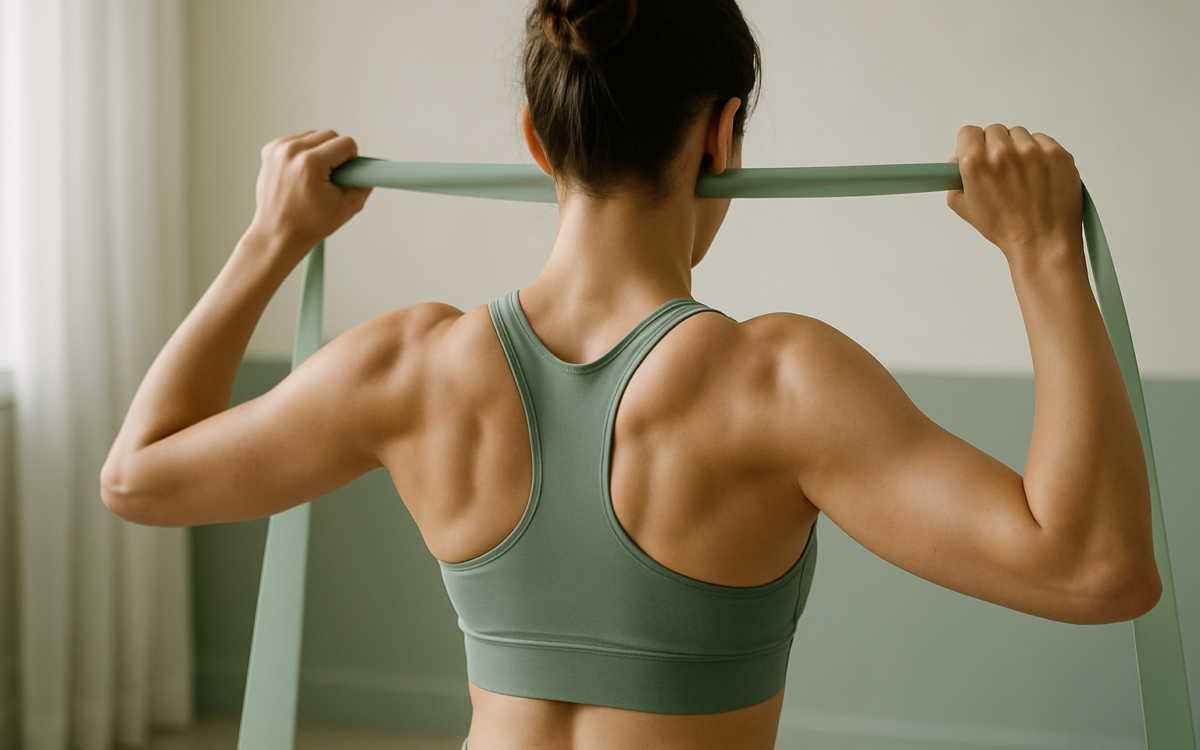
The trapezius muscles, commonly referred to as the traps, play a crucial role in upper body strength and posture. These muscles are located in the upper back and extend from the base of the skull down to the middle of your spine, out to the shoulders. When well-developed, they can improve your athletic performance, enhance your physical appearance, and contribute to better posture. In this guide, we’ll explore effective exercises, tips for training, and common mistakes to avoid for optimal trapezius development.
Why Target Your Traps?
The trapezius muscle is divided into three regions: the upper, middle, and lower traps. Each of these sections is essential for various movements, such as shrugging, lifting, and pulling. Focusing on trap exercises can confer a variety of benefits:
- Improved posture: Strong traps help support your neck and shoulders, keeping them aligned and reducing strain.
- Enhanced athletic performance: Well-conditioned traps contribute to better performance in sports that require upper body strength.
- Aesthetic appeal: A developed trapezius gives a more muscular and balanced appearance.
Essential Trap Exercises
Incorporating the right exercises into your workout routine can lead to impressive gains. Below are some effective trap exercises that cater to all fitness levels:
1. Shoulder Shrugs
This classic exercise targets the upper traps directly and is simple to perform.
- Stand or sit with your arms at your sides, holding a dumbbell in each hand.
- Lift your shoulders up towards your ears in a shrugging motion.
- Hold for a brief moment at the top, then slowly lower your shoulders back down.
- Repeat for 10-15 repetitions.
2. Bent-Over Dumbbell Fly
This exercise not only works the traps but also engages the rear deltoids and upper back.
- With a dumbbell in each hand, bend at the hips until your torso is parallel to the floor.
- Let your arms hang down towards the ground.
- Raise your arms out to the sides, squeezing your shoulder blades together.
- Lower back to starting position and repeat for 10-12 repetitions.
3. Barbell Upright Rows
Upright rows target both the traps and shoulders, promoting overall upper body strength.
- Stand with your feet shoulder-width apart and hold a barbell with both hands, palms facing your body.
- Pull the barbell straight up towards your chin, keeping your elbows higher than your wrists.
- Lower back down slowly and repeat for 10-12 repetitions.
4. Face Pulls
This exercise is excellent for balancing shoulder development and strengthening the rear traps.
- Using a resistance band or cable machine, set the pulley at chest height.
- Grab the handles or band with both hands, arms extended in front of you.
- Pull the band towards your face, separating your hands as you do so.
- Squeeze your shoulder blades together and hold briefly before returning to the starting position. Do this for 10-15 repetitions.
Tips for Effective Trap Training
Here are some tips to maximize your trap workouts:
- Start with proper form: Before increasing weights, ensure that your form is correct to prevent injury.
- Incorporate variety: Mix different exercises each week to challenge your muscles and prevent plateaus.
- Progress gradually: Increase weights or repetitions steadily to continue making gains without overstraining your muscles.
Common Mistakes to Avoid
Being mindful of your approach to trap exercises can help you avoid injury and achieve better results:
- Neglecting proper warm-up: Failing to warm up can lead to injuries. Always start with light cardio and dynamic stretches.
- Using too much weight: Lifting heavy weights before mastering the basics can compromise form and lead to injuries.
- Overtraining: Allow adequate recovery time for your traps to avoid fatigue and prevent injury.
When to See a Doctor
If you experience persistent pain or discomfort in your shoulders or neck despite proper training, it’s essential to consult a healthcare professional. Persistent issues might indicate more severe conditions that require attention.
Conclusion
Incorporating trap exercises into your fitness routine can lead to not only a stronger upper body but also better overall posture and athletic performance. Start slowly, focus on proper form, and gradually increase the intensity of your workouts for the best results. Remember, if you have any concerns or experience unusual pain, consult a medical professional for guidance.
