
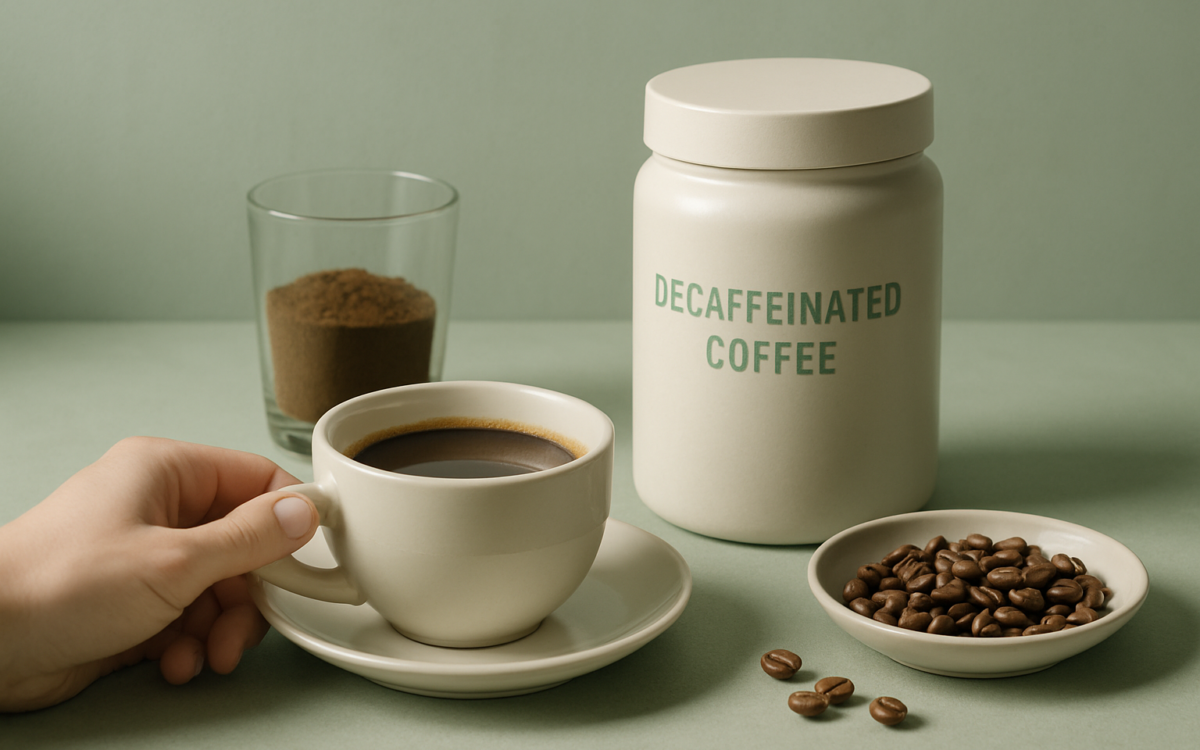
Coffee lovers often debate the pros and cons of their favorite beverage, especially when it comes to caffeine content. However, for those who want to enjoy the rich taste and comforting aroma of coffee without the caffeine jolt, decaffeinated coffee is a fantastic alternative. In this article, we will delve into what decaffeinated coffee is, its health benefits, potential drawbacks, and some interesting facts about this popular drink.
What is decaffeinated coffee?
Decaffeinated coffee is made from coffee beans that have had at least 97% of their caffeine removed. The process of decaffeination can occur before or after the beans are roasted, using methods that often include water, organic solvents, or carbon dioxide. The result is a beverage that retains most of the flavor of regular coffee but has significantly less caffeine.
Health Benefits of Decaffeinated Coffee
Decaffeinated coffee offers several health benefits that can be enjoyed without the stimulating effects of caffeine. Here are some notable advantages:
- Rich in Antioxidants: Like regular coffee, decaffeinated coffee is rich in antioxidants, which help fight off cell damage caused by free radicals. Antioxidants are linked to a lower risk of chronic diseases, including certain cancers and heart disease.
- Improved Heart Health: Studies suggest that decaffeinated coffee may help protect against heart disease. Consuming decaf has been associated with lower levels of inflammation and improved endothelial function, which can be beneficial for heart health (NIH).
- Reduced Risk of Type 2 Diabetes: Some research indicates that decaffeinated coffee may help reduce the risk of developing type 2 diabetes. This may be due to its ability to improve insulin sensitivity and reduce inflammation in the body.
- Support for Liver Health: Studies have shown that coffee consumption, including decaf, is linked to a lower risk of liver diseases such as cirrhosis and fatty liver disease. The protective effects may stem from coffee’s antioxidants and anti-inflammatory properties.
- Digestive Aid: Though regular coffee can sometimes lead to gastrointestinal discomfort, decaffeinated coffee is often gentler on the stomach, making it a better option for those with sensitive digestive systems.
Potential Drawbacks of Decaffeinated Coffee
While decaffeinated coffee is generally safe for most people, there are some considerations to be aware of:
- Possible Chemical Residue: Depending on the decaffeination method, some decaf coffees may contain traces of chemicals used in the process. Although the amounts are typically very low and considered safe, if you’re concerned, look for brands that use natural decaffeination methods, like Swiss Water Process.
- Lower Caffeine Content: While decaf beans do have some caffeine, the amount is very small compared to regular coffee. This could be a downside for those who enjoy the stimulating effects of caffeine.
- Flavor Variability: Decaffeinated coffee may sometimes have a slightly different taste profile compared to its caffeinated counterpart. Some people might find that they prefer the flavor of regular coffee, while others enjoy the smoother, mellower taste of decaf.
How to Enjoy Decaffeinated Coffee
If you’re new to decaffeinated coffee or looking to incorporate it into your daily routine, here are some tips on how to make the most of it:
- Experiment with Brew Methods: There are various brewing methods for coffee, such as French press, drip, or espresso. Try different methods to find out which one you prefer when brewing decaf.
- Add Flavor: To enhance the flavor of decaf, consider adding spices like cinnamon or nutmeg, or using flavored syrups. This can make your decaffeinated coffee experience even more enjoyable.
- Pair it Wisely: Decaf coffee can be paired with desserts or snacks that may complement its flavor profile. Cookies, pastries, or chocolate cake often go well with the rich taste of decaffeinated coffee.
- Mind the Timing: Enjoy your decaf coffee any time of day or evening without worrying about sleeplessness. It can be a comforting choice for after dinner or before bed.
Fun Facts About Decaffeinated Coffee
To deepen your appreciation for decaffeinated coffee, here are some fun facts:
- Decaffeinated coffee has been around since the early 1900s, when the first commercial decaf coffee was launched.
- Despite being caffeine-free, decaffeinated coffee can still contain small amounts of caffeine — typically 2 to 5 mg per cup, compared to about 95 mg in regular coffee.
- The world’s largest coffee producers, like Brazil and Colombia, also produce decaffeinated options, making them available globally.
- Some people enjoy adding milk or cream to their decaf coffee, while others prefer it black. There’s no right or wrong way to enjoy your cup!
When to See a Doctor
While decaffeinated coffee is generally safe for most people, if you experience any adverse effects after consuming it, such as digestive issues or allergic reactions, consider reaching out to your healthcare provider. Additionally, if you have pre-existing health conditions, such as heart problems or acid reflux, consult your doctor to determine the best approach to include decaffeinated coffee in your diet.
In conclusion, decaffeinated coffee is an excellent choice for those who want to enjoy the delicious taste of coffee without the jittery side effects of caffeine. With numerous potential health benefits and versatile drink options, it’s a delightful addition to any lifestyle. Whether you’re a lifelong coffee enthusiast or trying it for the first time, decaf coffee has something to offer everyone.
