
Fungal ear infections, while less common than bacterial infections, can cause significant discomfort and should not be overlooked. They often arise from a buildup of moisture in the ear, creating a welcoming environment for fungi to thrive. Awareness of the causes, symptoms, and treatments can help you tackle these infections effectively.
What Causes Fungal Ear Infections?
Fungal ear infections, also known as otomycosis, are primarily caused by certain types of fungi, including Aspergillus and Candida. These infections are more likely to develop under specific conditions:
- Moisture: Excessive moisture from swimming, bathing, or even sweating can lead to fungal growth.
- Humidity: High humidity levels can promote the survival of fungi.
- Skin Trauma: Damage to the ear canal, whether from scratching or cleaning with cotton swabs, can create an entry point for fungi.
- Weakened Immune System: Individuals with compromised immune systems may be more susceptible to fungal infections.
Recognizing the Symptoms
Identifying a fungal ear infection can be straightforward if you know the common signs. Symptoms may vary, but they often include:
- Itching: Intense itching inside the ear canal.
- Discharge: A discharge that is often watery or may even be black in color, indicating fungal growth.
- Pain: Discomfort or pain in the ear, especially when touching or pulling on the earlobe.
- Hearing Loss: Temporary hearing impairment may occur if the infection is severe.
If you experience one or more of these symptoms, it’s important to observe them closely. Fungal ear infections are typically not serious but can lead to complications if left untreated.
Diagnosis Methods
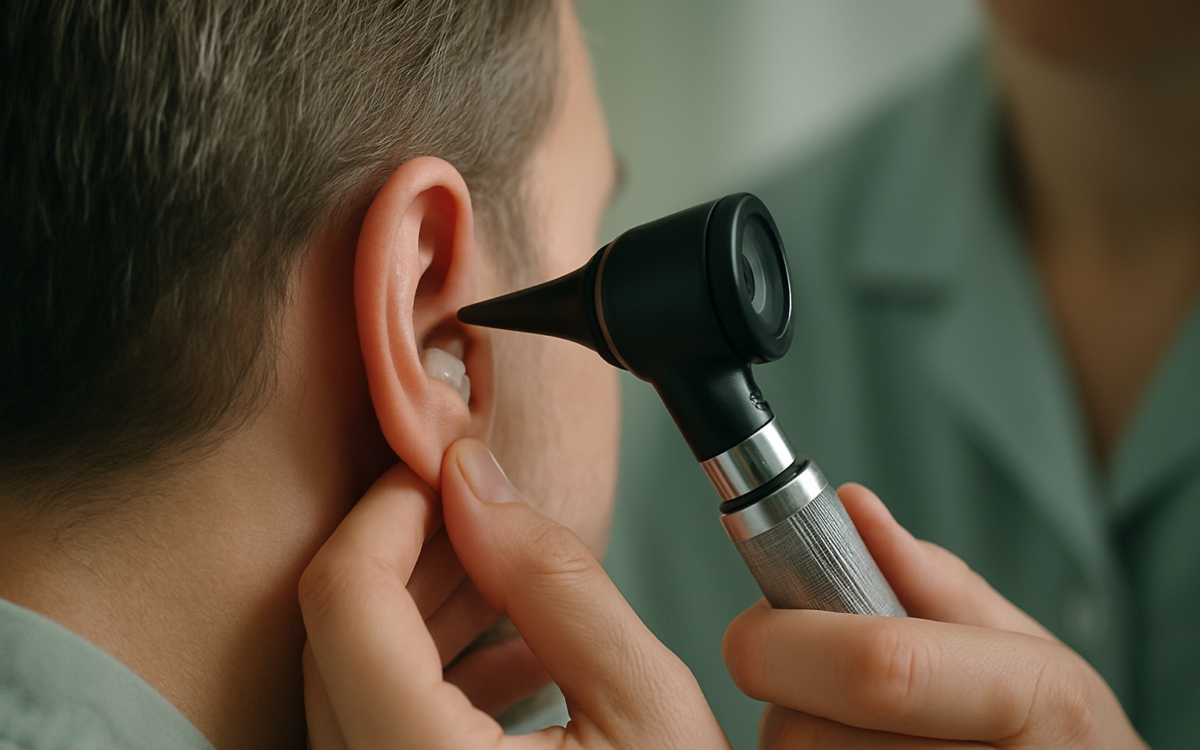
Diagnosing a fungal ear infection usually involves a visit to a healthcare provider, who may perform a physical examination of the ear canal using an otoscope. Due to the similarity between fungal and bacterial infections, a culture may also be taken to determine the specific pathogen causing the infection. This helps tailor the most effective treatment plan.
Treatment Options
Once diagnosed, treatment for a fungal ear infection typically involves antifungal medications. These may be administered in several ways:
- Topical Antifungals: These are often the first line of treatment and may come in the form of ear drops.
- Oral Antifungals: In more severe cases, a doctor may prescribe oral medications.
- Cleaning the Ear Canal: Your doctor may recommend cleaning the ear canal to remove debris and discharge, promoting healing.
It’s essential to follow your healthcare provider’s instructions closely and complete the full course of treatment, even if symptoms improve before the medication is finished.
Prevention Tips
Taking preventive measures can significantly reduce the risk of developing a fungal ear infection. Here are some effective strategies:
- Keep Ears Dry: After swimming or bathing, make sure to dry your ears thoroughly.
- Avoid Cotton Swabs: Do not insert cotton swabs or other objects into your ears, as they can cause trauma and push debris further in.
- Manage Moisture: If you are prone to frequent infections, consider using earplugs when swimming.
- Boost Immune Health: Maintain a balanced diet and consider regular exercise to support your immune system.
When to See a Doctor
If you suspect you have a fungal ear infection, it’s wise to consult with a healthcare professional—particularly if:
- The symptoms persist beyond a few days.
- You experience severe pain or significant hearing loss.
- There is a foul-smelling discharge from the ear.
- You have a history of recurrent ear infections.
Conclusion
Fungal ear infections can cause discomfort, but understanding their causes, symptoms, and treatment options can empower individuals to seek help as needed. Always consult a healthcare provider if you have concerns about your ear health. By taking preventive measures and addressing symptoms promptly, you can maintain healthy ears and avoid unnecessary complications.
