
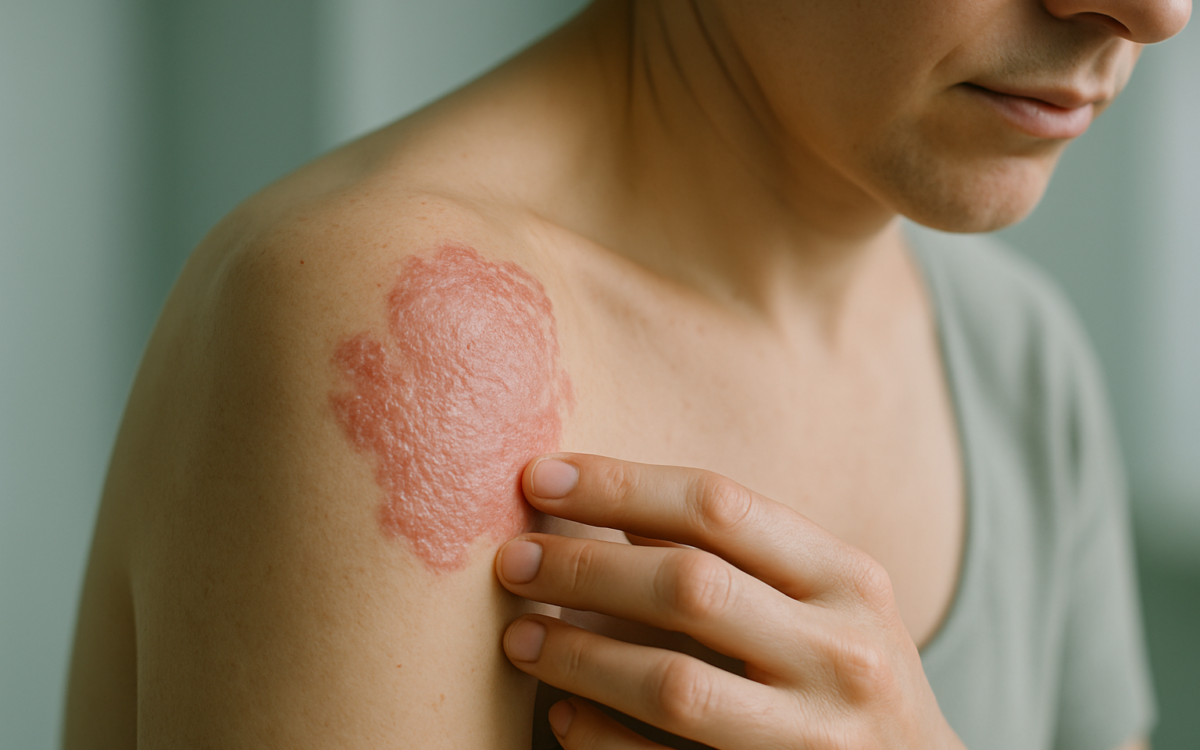
Fungal rashes are more common than many people realize. They can appear anywhere on the body and often cause discomfort, itching, and embarrassment. These infections are caused by fungi that thrive in warm, moist environments, and they can affect people of all ages and backgrounds. Understanding the causes, symptoms, and treatments for fungal rashes is essential for managing them effectively.
What Causes Fungal Rashes?
Fungal rashes typically occur when certain types of fungi, including dermatophytes and yeasts, invade the skin. Dermatophytes are responsible for conditions such as athlete’s foot and ringworm, while yeasts, like Candida, can lead to diaper rash and other skin infections. Here are some common causes of fungal rashes:
- Moist environments: Fungi thrive in warm and humid conditions. Places where skin rubs together, such as the groin, armpits, and between toes, are particularly susceptible.
- Weakened immune system: Individuals with weakened immune systems, such as those with diabetes or undergoing chemotherapy, are at higher risk for fungal infections.
- Antibiotic use: Antibiotics can disrupt the balance of bacteria and fungi on the skin, allowing fungi to overgrow, resulting in a rash.
- Poor hygiene: Insufficient bathing and wearing damp clothing can create an environment conducive to fungal growth.
Common Types of Fungal Rashes
Fungal rashes can take many forms, each with its characteristics and symptoms. Here are some of the most common types:
1. Ringworm
Despite its name, ringworm is not caused by a worm. This fungal infection creates a circular, red rash with a clearer center. It can affect various body parts, including the scalp (tinea capitis), body (tinea corporis), and feet (tinea pedis). Ringworm is highly contagious and can spread through direct contact or contaminated surfaces.
2. Athlete’s Foot
Athlete’s foot mainly affects the spaces between the toes and the soles of the feet. It can cause itching, burning, and peeling skin. This condition often occurs in people who wear tight shoes or go barefoot in communal areas like locker rooms.
3. Candidiasis
Caused by an overgrowth of yeast, candidiasis can lead to rashes in warm, moist areas such as the armpits, groin, and under breasts. Symptoms include redness, irritation, and sometimes a white discharge.
Symptoms of Fungal Rashes
Recognizing the symptoms of a fungal rash can help you seek appropriate treatment. Common signs include:
- Itching or irritation at the rash site
- Red, inflamed patches of skin
- Flaky or scaly skin
- Blisters or pustules in some cases
Symptoms can vary based on the type of fungus and the infection’s location. If you notice these signs persisting or worsening, it may be time to consult a doctor.
Treatment Options for Fungal Rashes
Treatment for fungal rashes often varies based on the type of fungus and the severity of the condition. Here are some general options:
Over-the-Counter Antifungal Medications
Many mild fungal infections can be treated with over-the-counter antifungal creams or powders containing ingredients like clotrimazole or terbinafine. These products are often effective for conditions such as athlete’s foot or ringworm.
Prescription Medications
For more severe or persistent infections, a healthcare provider may prescribe stronger antifungal medications, either topically or orally. It’s important to follow their recommendations precisely for successful treatment.
Home Remedies
Some people find relief from fungal rashes through home remedies, although these should not replace medical treatment. Options include:
- Keeping the affected area dry and clean
- Using cornstarch or antifungal powder to absorb moisture
- Applying coconut oil, which may have antifungal properties
Preventing Fungal Rashes
Preventing fungal rashes is often easier than treating them. Here are several practical steps to minimize your risk:
- Keep skin dry: After bathing or sweating, dry off thoroughly, especially in skin folds.
- Wear breathable clothing: Opt for loose-fitting clothes made from breathable materials, especially during hot, humid weather.
- Change wet clothes quickly: If you swim or sweat, change out of wet clothing as soon as possible.
- Practice good hygiene: Ensure regular bathing and wash your feet daily, especially if you’re prone to athlete’s foot.
- Avoid sharing personal items: Steer clear of sharing towels, shoes, or brushes that may carry fungal spores.
When to See a Doctor
While many fungal rashes can be treated at home, some situations require medical attention. Consult a healthcare professional if:
- The rash does not improve with over-the-counter treatments after two weeks.
- You develop symptoms like fever or swollen lymph nodes.
- The rash becomes increasingly red, swollen, or painful.
- You have an underlying health condition that could complicate treatment.
Conclusion
Fungal rashes can be uncomfortable and may disrupt your daily life, but understanding them is vital for managing symptoms and finding relief. Practice good hygiene, enhance your skin’s resilience, and consult a healthcare professional if you notice ongoing issues. For more in-depth information, resources like the National Library of Medicine and the Centers for Disease Control and Prevention provide trustworthy insights into fungal infections.
