
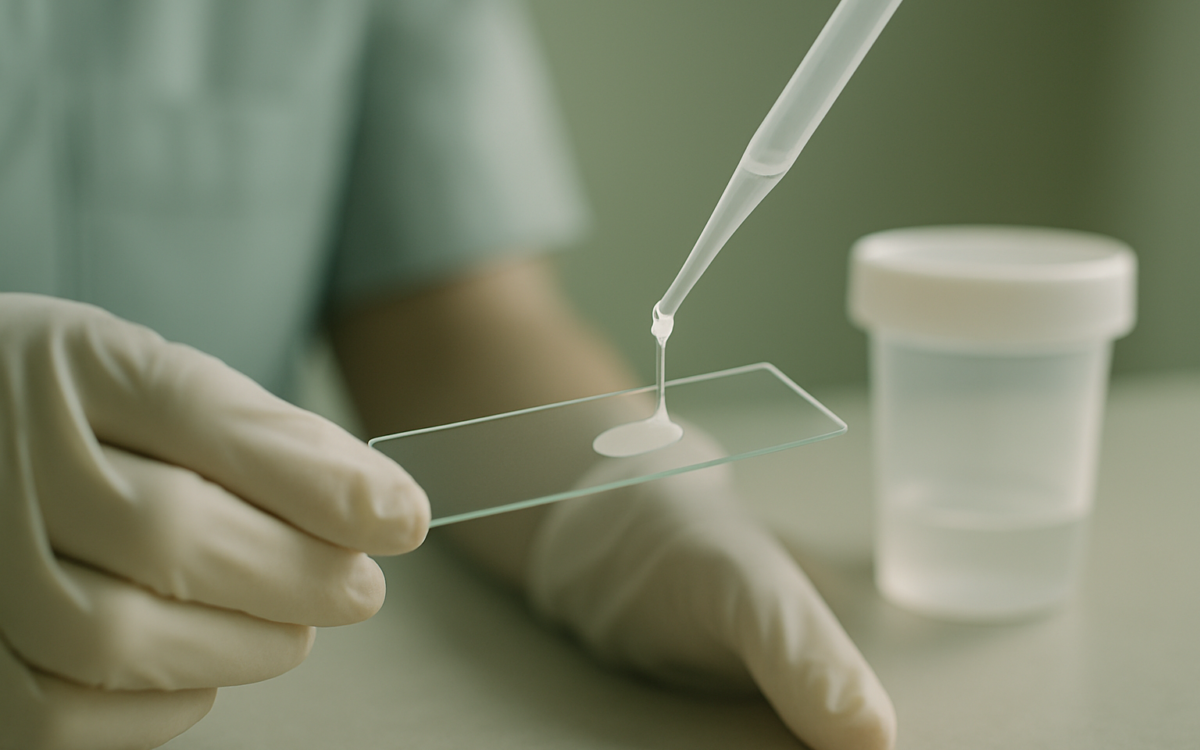
Sperm is a crucial component of male fertility, but what happens when it leaves the body? Understanding the lifespan of sperm outside the body can shed light on various reproductive health concerns and practices. In this article, we explore how long sperm can survive outside of its natural environment, the conditions that affect its lifespan, and the implications of this knowledge.
How Long Does Sperm Live Outside the Body?
The lifespan of sperm outside the body can vary significantly based on several factors, including the environment it is in. Generally, sperm can survive for a few minutes to several hours outside the male body. Here’s a closer look:
- On dry surfaces: Sperm cells dry out quickly. When sperm is exposed to air and dries, it typically dies within minutes. For instance, on fabrics or surfaces like countertops, the sperm cells become non-viable almost immediately once they lose their moisture.
- In moist conditions: If sperm is kept in a moist environment, it can survive longer, up to a few hours. This might occur in situations like during intimate moments when fluids can mix, but the duration is still limited and highly dependent on variables like temperature and humidity.
- In liquid mediums: In vitro (outside the body), sperm can live for several hours in certain conditions. For example, within a human body or in specialized laboratory settings, sperm can remain viable much longer, making in vitro fertilization (IVF) and other assisted reproductive technologies possible.
Factors Influencing Sperm Survival
Several factors impact how long sperm can live outside the body. Understanding these can help clarify why sperm lifespan varies:
1. Temperature
Temperature plays a critical role in sperm viability. Warmer temperatures often accelerate the deterioration process. For example, sperm exposed to warm surfaces may die faster than those held in cooler conditions.
2. Moisture Levels
Moisture is another critical factor. Sperm needs a certain level of humidity to maintain its structural integrity. Once it dries, it loses its ability to fertilize an egg.
3. pH Levels
The pH of the environment also affects sperm viability. Sperm thrives in a slightly alkaline environment. If the pH becomes too acidic or too alkaline, it can harm the sperm cells.
What Happens to Sperm in Different Scenarios?
Understanding how sperm behaves in various environments can clarify things surrounding reproduction:
1. Sexual Intercourse
During sexual intercourse, sperm is released in a warm, wet environment. The conditions are ideal for sperm survival, allowing them to reach the egg effectively within the female reproductive tract. Inside the body, sperm can live for up to five days, depending on the female’s ovulation cycle.
2. Masturbation and Semen Exposure
When semen is expelled outside the body (like during masturbation), it can survive for a short time on skin or fabric, as mentioned. Awareness of this can be crucial for understanding unintended pregnancy risks.
3. Medical Procedures
In medical settings, sperm is often collected for assisted reproductive technologies. Here, sperm can be preserved in semen for extended periods, allowing for storage and use in IVF procedures. Sperm is usually stored in liquid nitrogen to enhance longevity.
Implications for Reproductive Health
Understanding how long sperm lives outside the body is essential for various reasons:
- Family Planning: Knowledge of sperm lifespan can help individuals and couples make informed reproductive decisions.
- Preventing STIs: Since sperm is a biological fluid, understanding its lifespan can also inform individuals about potential risks of sexually transmitted infections (STIs) through contact with infected fluids.
- Consulting Healthcare Professionals: If there are concerns regarding male fertility or reproductive health, it’s essential to consult with a healthcare provider. They can provide personalized insights based on individual circumstances.
When to See a Doctor
If you have concerns related to sperm health, fertility issues, or changes in sexual health, it’s important to consult a healthcare provider. They can conduct necessary evaluations and provide guidance regarding reproductive health.
Conclusion
Understanding how long sperm lives outside the body is crucial for both reproductive health and awareness. Factors like temperature, moisture, and pH significantly impact sperm viability. By being informed, individuals can make better choices regarding reproduction and health. Remember, if you have specific concerns about fertility or reproductive health, it’s always best to consult a healthcare professional.
