
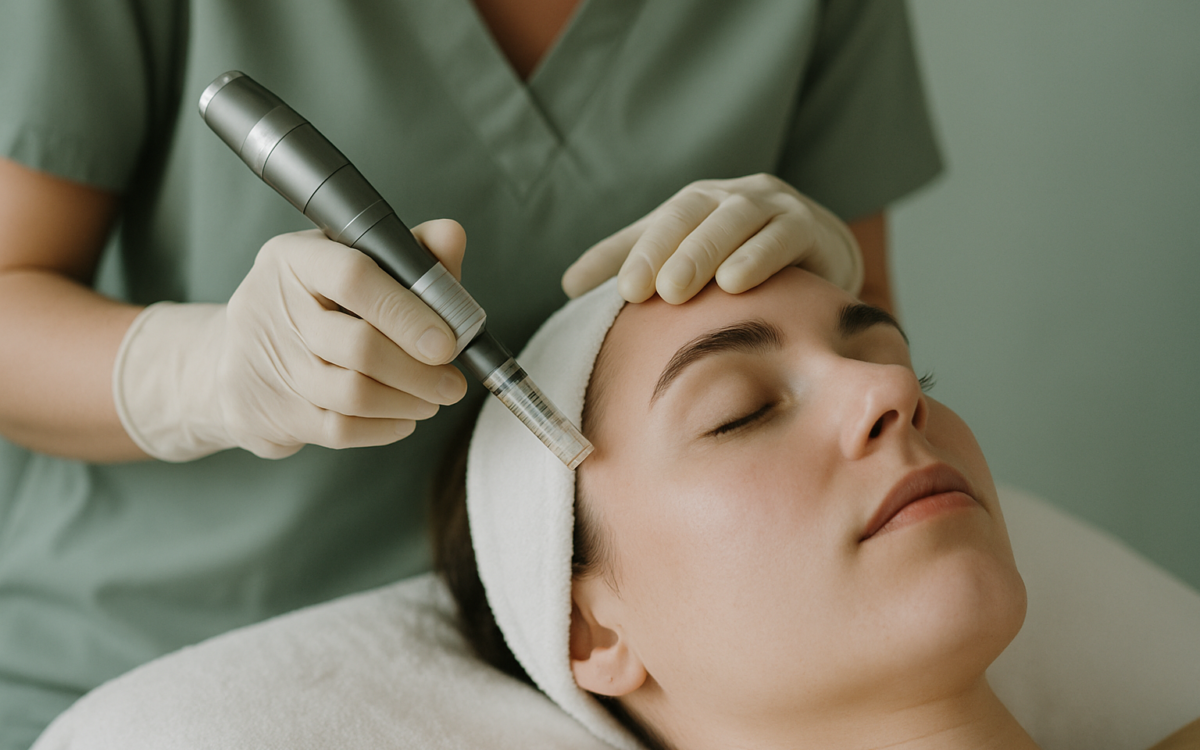
As we journey through life, our skin tells the story of our experiences, but with time, that story can fade or change. Many people seek ways to rejuvenate their appearance and enhance skin health, leading to the exploration of various treatments. Among these, collagen induction therapy has gained popularity for its ability to boost collagen production and achieve youthful, glowing skin.
What Is Collagen Induction Therapy?
Collagen induction therapy, often referred to as microneedling, is a minimally invasive procedure that stimulates the body’s natural healing processes. During this treatment, fine needles create micro-injuries in the skin, prompting the body to produce more collagen and elastin—two key proteins essential for maintaining skin’s firmness and elasticity.
This procedure can be used on various parts of the body but is particularly popular for the face, neck, and décolletage. The primary goal is to improve skin texture, reduce the appearance of scars and fine lines, and enhance overall radiance.
How Does It Work?
The microneedling process typically begins with a thorough consultation with a qualified professional who assesses your skin and discusses your goals. On the day of the treatment, a topical anesthetic is applied to minimize discomfort.
- The practitioner uses a specialized device that contains fine needles to create controlled micro-injuries in the skin.
- The depth and density of these needle punctures can be adjusted based on your skin type and the specific issues being treated.
- Once the procedure is complete, a soothing serum is often applied to calm the skin and enhance results.
The body’s natural healing response kicks in after the procedure, leading to increased collagen production over the coming weeks. Many people notice improvements within a few days, but optimal results can often take several sessions and a little patience.
What Are the Benefits?
The benefits of collagen induction therapy extend beyond just skin appearance. Here are some of the key advantages:
- Improved Skin Texture: The procedure can refine pores, reduce roughness, and give the skin a smoother feel.
- Reduction of Scars: It’s effective for minimizing acne scars and other types of scarring, as the new collagen helps fill and smooth over imperfections.
- Fine Lines and Wrinkles: By enhancing collagen levels, many individuals experience a reduction in visible signs of aging.
- Enhanced Absorption of Skincare Products: Post-treatment, the skin becomes more receptive to topical treatments, making serums and moisturizers more effective.
Potential Risks and Side Effects
While collagen induction therapy is generally considered safe, like any cosmetic procedure, it comes with potential risks and side effects. Knowing these is essential for making an informed decision.
- Redness and Swelling: Many patients experience mild redness akin to a sunburn, which typically subsides within a few days.
- Bruising: Some may experience minor bruising at the treatment sites.
- Infection: As with any procedure that breaks the skin, there’s a risk of infection if not properly cared for.
- Allergic Reactions: In rare cases, individuals may react to topical products used during or after the treatment.
To mitigate risks, choosing a skilled provider is critical. Always discuss your medical history and any skin concerns during the consultation.
Preparing for Your Treatment
Preparation is key to ensuring a positive experience with collagen induction therapy. Here are some steps you can take to prepare:
- Avoid Blood Thinners: Medications like aspirin can increase bruising. Consult your doctor about potential modifications to your medication regimen.
- Limit Sun Exposure: Before treatment, minimize sun exposure to reduce the risk of complications and ensure the skin is in the best condition possible.
- Consult a Specialist: Ensure you are under the care of a qualified practitioner who can guide you through the process and address your concerns.
Aftercare Tips
Post-treatment care is essential for achieving the best outcomes. Follow these aftercare tips:
- Keep It Clean: Maintain cleanliness in the treated area to prevent infection.
- Avoid Makeup: Refrain from applying makeup for at least 24 hours post-treatment to allow your skin to heal.
- Sun Protection: Protect your skin from sun exposure by using broad-spectrum sunscreen generously when going outdoors.
- Stay Hydrated: Drinking plenty of water aids the healing process and helps improve skin hydration.
When to See a Doctor
If you experience unusual or severe reactions after collagen induction therapy, such as persistent swelling, intense pain, or signs of infection (e.g., pus or increased redness) you should contact a healthcare professional promptly.
Conclusion
Collagen induction therapy offers a promising approach to restoring skin vitality and treating various skin concerns. With its focus on natural healing and enhancement, many find it a suitable addition to their skincare regimens. As always, make sure to consult with your healthcare provider to determine if this treatment is right for you, and to discuss your goals and expectations. With the right guidance, you can take a proactive step toward achieving the vibrant skin you seek.
