
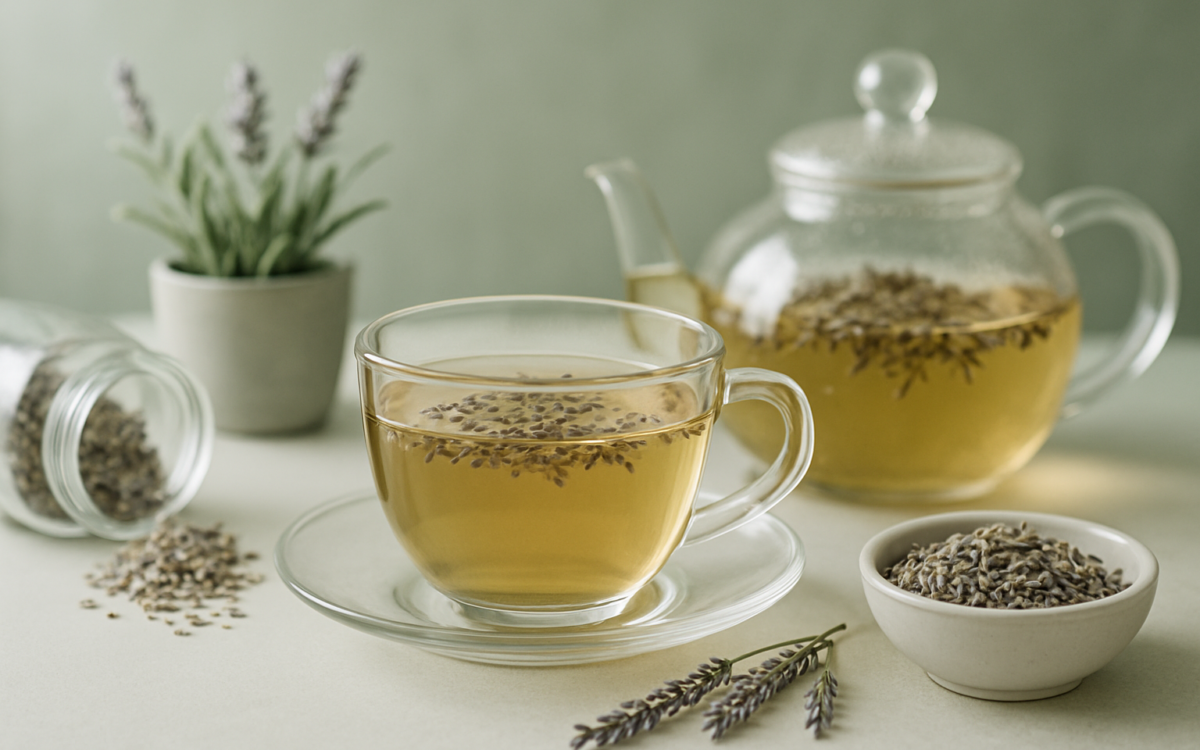
Many of us seek comfort in a warm cup of tea, and when it comes to relaxation, few beverages can compete with the tranquil essence of lavender tea. With its beautifully aromatic profile and gentle flavor, lavender tea not only tastes delightful but also boasts an array of potential health benefits. In this article, we will explore what lavender tea is, the evidence behind its benefits, and how you can incorporate it into your daily routine.
What is lavender tea?
Lavender tea is an infusion made from the dried flowers of the lavender plant, specifically Lavandula angustifolia. This herb has been cherished for centuries, both for its exquisite aroma and its wellness properties. Lavender is native to the Mediterranean region but is now cultivated in many countries around the world. The flowers contain essential oils that carry therapeutic properties, making lavender tea a popular choice for those seeking relaxation and calm.
Common uses of lavender tea
Lavender tea has been used traditionally for a variety of purposes, ranging from promoting sleep to alleviating stress. Here are some of the common uses:
- Stress relief: Many people turn to lavender tea to help reduce anxiety and promote relaxation. The soothing properties of lavender are thought to help calm the nervous system.
- Sleep aid: If you struggle with insomnia or disrupted sleep, lavender tea may help. Some studies have indicated that the aroma of lavender can improve sleep quality, and consuming the tea might offer similar benefits.
- Digestive aid: Lavender tea is also known for its potential to ease digestive issues, such as gas and bloating. The calming effects can help soothe the stomach and promote better digestion.
- Headache relief: The soothing properties of lavender may help alleviate tension headaches. Drinking lavender tea can provide a gentle remedy after a long day.
Health benefits supported by research
The health benefits of lavender tea are backed by various studies that highlight its positive effects on mental health, sleep, and more.
Anxiety and Stress
Research shows that lavender can have a calming effect, helping with anxiety management. In a study published in the Journal of Alternative and Complementary Medicine, participants who inhaled lavender essential oil reported reduced anxiety levels. This suggests that the calming properties of lavender might extend to drinking lavender tea as well.
Improved Sleep Quality
Lavender’s impact on sleep has been widely studied, with multiple trials indicating its effectiveness. One study conducted by the National Institutes of Health observed that participants who used lavender oil had significantly better sleep quality. Though the research focused on oil, the soothing experience of drinking lavender tea could offer related benefits.
Digestive Health
In traditional herbal medicine, lavender has often been used to treat digestive issues. A study in the Journal of Clinical Gastroenterology found that lavender might help with symptoms of digestive discomfort, further supporting the notion that lavender tea can be beneficial for digestive health.
How to make lavender tea
Making lavender tea at home is simple and requires just a few ingredients. Here’s a basic recipe you can follow:
- Start with 1 to 2 teaspoons of dried lavender buds. These can be found in herbal shops or online.
- Boil water in a kettle or pot.
- Once the water is boiling, pour it over the dried lavender in a tea infuser or directly into a mug.
- Let it steep for about 5 to 10 minutes, depending on how strong you like your tea.
- Add honey or lemon if desired for sweetness and flavor.
- Strain the tea, and enjoy!
Tips for enjoying lavender tea
Here are some tips to enhance your lavender tea experience:
- Pair with other herbs: Consider blending lavender with other calming herbs such as chamomile or lemon balm for added benefits and flavor.
- Mindful consumption: Take a moment to enjoy the aroma before sipping. This can enhance the relaxation experience.
- Use in recipes: Lavender tea can also be used as a flavorful ingredient in recipes, such as baking or even as a marinade for meats.
When to see a doctor
While lavender tea is generally safe for most people, some may experience allergic reactions or side effects, especially if they are pregnant, nursing, or have certain medical conditions. If you notice any adverse reactions, or if you have ongoing issues like severe anxiety or insomnia, it’s best to consult a healthcare professional for tailored advice.
Conclusion
Lavender tea offers a fragrant, soothing option for those looking to enhance their wellness routine. Its potential benefits for stress relief, sleep quality, and digestive health make it a delightful herbal choice. By following the simple preparation methods and incorporating mindful enjoyment, you can tap into the calming power of lavender in your daily life. Remember, as with any herbal remedy, it’s important to consult your healthcare provider to ensure it aligns with your unique health needs.
