
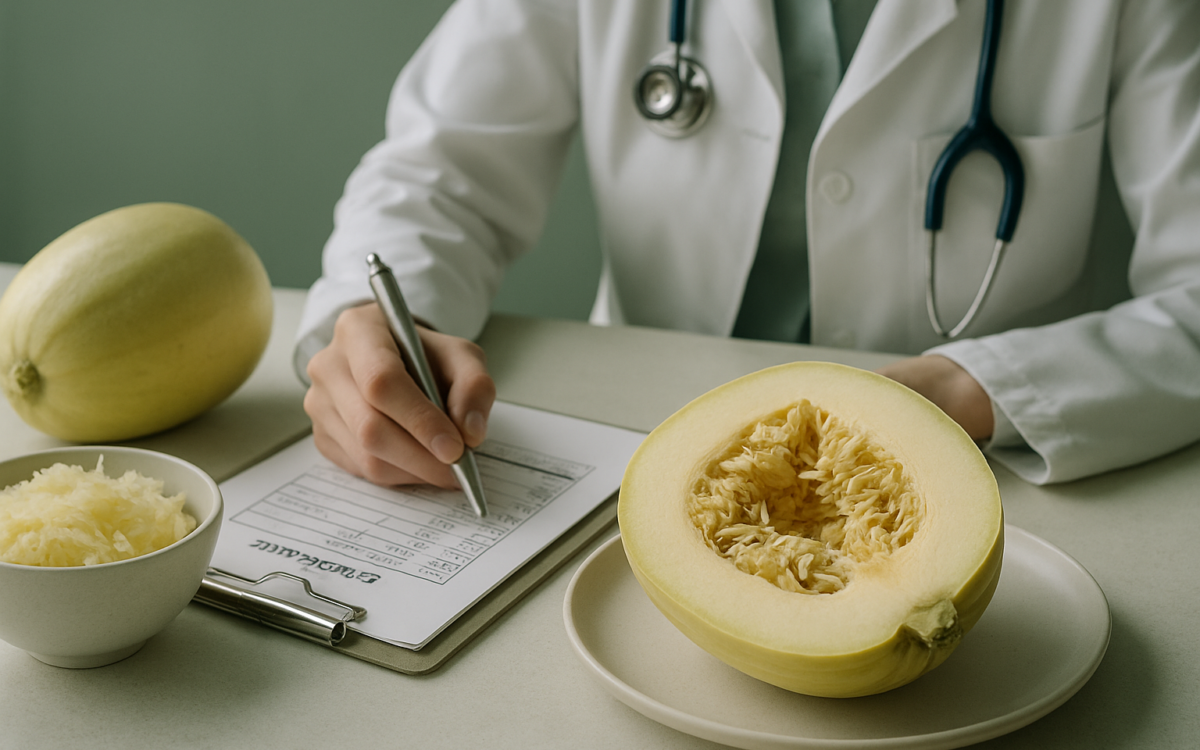
Spaghetti squash has gained popularity as a nutritious and versatile vegetable, often touted as a healthier alternative to traditional pasta. Its unique texture and mild flavor make it a favorite among those looking to reduce carbohydrates or embrace a plant-based diet. But how does this intriguing squash stack up in the nutrition department? Let’s explore the nutritional benefits of spaghetti squash and how it can enhance your diet.
What is Spaghetti Squash?
Spaghetti squash, known scientifically as Cucurbita pepo, is a member of the gourd family. It has a tough, yellow skin and a unique flesh that, when cooked, easily separates into long, noodle-like strands, resembling spaghetti—hence the name. It is typically harvested in late summer to fall and can be baked, boiled, or microwaved for preparation.
Nutritional Overview
One of the strongest selling points of spaghetti squash is its low calorie content. A one-cup serving of cooked spaghetti squash contains about 42 calories, making it an excellent choice for those looking to manage their weight. Here is a breakdown of the important nutrients in a cup of cooked spaghetti squash:
- Calories: 42
- Carbohydrates: 10 grams
- Dietary Fiber: 2 grams
- Protein: 1 gram
- Fat: 0 grams
- Vitamin A: 10% of the Daily Value (DV)
- Vitamin C: 25% of the DV
- Potassium: 8% of the DV
- Folate: 6% of the DV
The combination of low calories and high nutritional value makes spaghetti squash a standout option for healthy eating.
Health Benefits of Spaghetti Squash
Spaghetti squash is not only nutritious but also offers several health benefits that can support overall well-being:
1. Rich in Antioxidants
Spaghetti squash is a great source of antioxidants, including vitamin C and other beneficial compounds. Antioxidants help combat oxidative stress in the body, which can reduce the risk of chronic diseases like heart disease and certain cancers. Eating antioxidant-rich foods is important for maintaining well-being and supporting your immune system.
2. High in Dietary Fiber
This squash is a fantastic source of dietary fiber, which plays a key role in digestive health. Fiber can help regulate bowel movements and prevent constipation, contributing to a healthy gut. Additionally, a diet high in fiber can support weight management by promoting a feeling of fullness, which may help reduce overall calorie intake.
3. Low in Carbohydrates
For those following a low-carbohydrate or ketogenic diet, spaghetti squash can be a fantastic substitute for traditional pasta. It allows people to enjoy their favorite dishes without the added carbohydrates, making meals lighter and healthier while still satisfying cravings.
4. Vitamins and Minerals
In addition to antioxidants, spaghetti squash provides essential vitamins and minerals. Vitamin A is important for eye health, while vitamin C supports the immune system. Potassium is essential for heart health, and folate is crucial for cell division and the prevention of anemia.
How to Prepare Spaghetti Squash
Preparing spaghetti squash is simple! Here are a few methods to try:
- Baking: Preheat the oven to 400°F (200°C). Cut the spaghetti squash in half lengthwise, remove the seeds, and place it cut-side down on a baking sheet. Bake for 35-45 minutes or until fork-tender. Scrape the flesh with a fork to create strands.
- Boiling: Cut the squash in half and place it in a large pot of boiling water. Cook for about 20-30 minutes or until tender. Use a fork to separate the strands.
- Microwaving: Cut the squash in half, remove the seeds, and place it in a microwave-safe dish with a little water. Cover and microwave for 10-15 minutes, checking for tenderness.
Spaghetti squash can be served with various sauces and toppings, like marinara, pesto, or sautéed vegetables, making it easy to incorporate into different meals.
Incorporating Spaghetti Squash into Your Diet
Adding spaghetti squash to your meals is a simple way to boost nutrients and reduce calories. Here are a few tips to make the most of this nutritious vegetable:
- Use it as a base for your favorite pasta dishes.
- Add it to salads for extra texture and nutrition.
- Pair it with lean proteins, such as chicken or tofu, to create a balanced meal.
- Mix it with seasonal vegetables and healthy fats like olive oil or avocado.
The versatility and health benefits of spaghetti squash make it an excellent addition to a balanced diet.
When to See a Doctor
While spaghetti squash is generally safe for most people, there may be times when you should consult a healthcare provider. If you experience any allergic reactions after eating spaghetti squash, such as itching or swelling, it’s important to seek medical advice. Additionally, if you have concerns about your dietary choices or require guidance on managing health conditions through nutrition, talking to a registered dietitian or healthcare provider can be beneficial.
Conclusion
Spaghetti squash offers a delicious and nutritious alternative to traditional pasta, loaded with vitamins, minerals, and fiber. Its versatility allows you to enjoy it in various dishes while meeting your health goals. Whether you’re looking to lower your carbohydrate intake or add more vegetables to your diet, spaghetti squash is a fantastic choice. Remember to experiment with different preparations and flavor combinations to discover your favorite way to enjoy this wonderful squash!
