
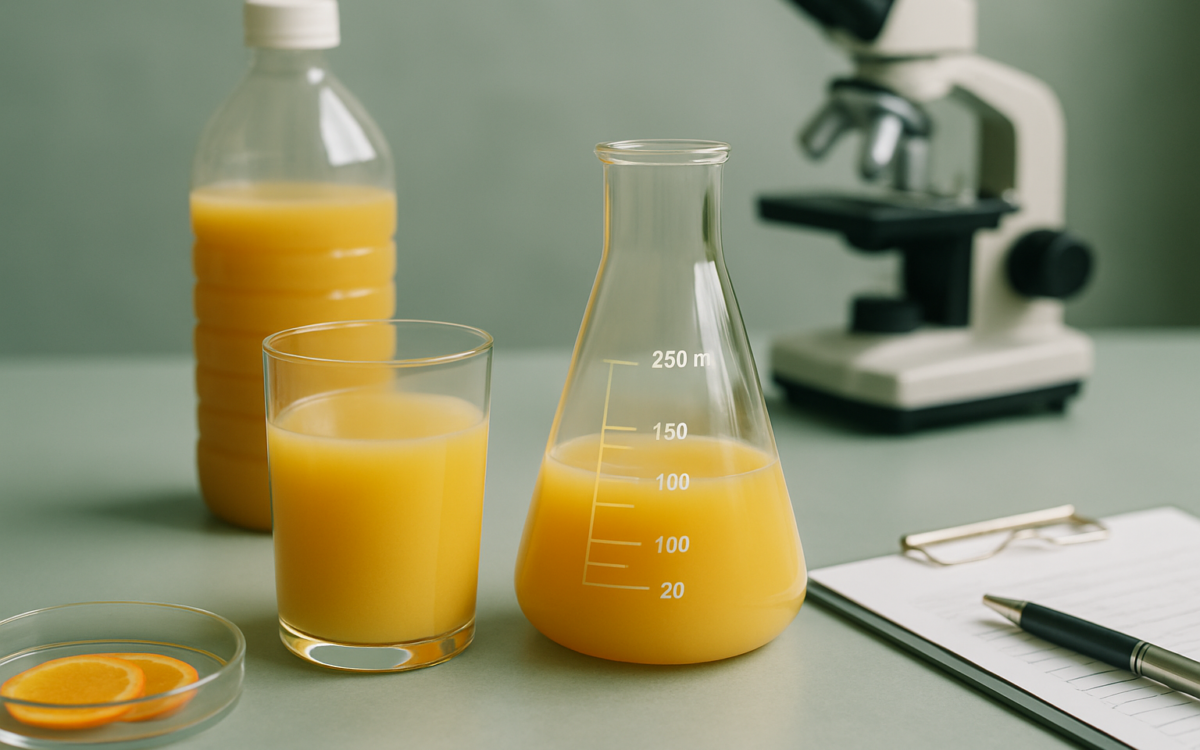
Orange juice has long been a breakfast staple for many households. Known for its refreshing taste and vibrant color, this citrus drink is packed with nutrients. However, the process of pasteurisation raises questions about how much of those nutrients remain intact. Recent studies are scrutinizing the health benefits of pasteurised orange juice, leading to insights that can help consumers make informed choices.
The Process of Pasteurisation
Pasteurisation is a heat treatment process designed to kill harmful bacteria and pathogens in food and beverages. This method was named after Louis Pasteur, the French microbiologist who developed the technique in the 19th century. In orange juice production, pasteurisation typically involves heating the juice to a specific temperature for a short duration. This process can significantly extend the juice’s shelf life, making it safer for consumption.
Nutritional Content of Pasteurised Orange Juice
One of the key concerns regarding pasteurised orange juice is whether the essential nutrients are affected by the heating process. Pasteurised orange juice retains many of its natural vitamins and minerals. A major highlight is its high vitamin C content, which is crucial for a healthy immune system, skin, and overall wellness.
According to a study published in the National Institutes of Health, while some sensitive compounds can be diminished during pasteurisation, the decrease in vitamin C is generally minimal, often not exceeding 10%. This means that while some nutritional aspects might change, pasteurised orange juice still provides significant health benefits.
Health Benefits: What Studies Show
Research has increasingly highlighted the health benefits of consuming orange juice, both pasteurised and unpasteurised. A study in the Journal of Agricultural and Food Chemistry underscores that regular consumption of orange juice can contribute to better heart health. The flavonoids found in orange juice may help reduce inflammation and lower blood pressure.
Moreover, studies have linked orange juice to improved nutrient absorption. The vitamin C in orange juice helps enhance the absorption of iron from plant-based foods, which can be beneficial for individuals who follow vegetarian or vegan diets.
Considering Safety and Freshness
One key reason many people opt for pasteurised orange juice is safety. Pasteurisation reduces the risk of foodborne illnesses, particularly those from pathogens like E. coli and Salmonella. The Centers for Disease Control and Prevention (CDC) emphasizes the importance of consuming pasteurised juices to prevent contamination (CDC). This precaution is particularly relevant for vulnerable populations, such as children, the elderly, and those with weakened immune systems.
Freshness is often another critical factor. Some consumers prefer freshly squeezed juice believing it’s healthier. However, fresh juice can also harbor harmful bacteria if not handled correctly. Pasteurisation helps ensure that orange juice remains safe without significantly compromising its nutritional profile.
Environmental Perspective on Orange Juice Production
The environmental impact of juice production is also an important consideration. Research indicates that large-scale pasteurisation of orange juice can lead to improved waste management and better resource utilization. In a study reported by the World Health Organization, pasteurised juice production can result in less spoilage and waste compared to its unpasteurised counterpart. Sustainable practices in citrus farming and juice processing are crucial for maintaining the balance between health benefits and environmental responsibilities.
Consumer Choices: Making Informed Decisions
With the growing array of options in grocery stores, consumers can sometimes feel overwhelmed when deciding which type of orange juice to purchase. Here are some tips for selecting the right orange juice:
- Look for labels: Choose pasteurised varieties to ensure safety.
- Check for added sugars: Some juices contain additional sweeteners; opt for 100% orange juice without added sugars.
- Consider organic: Organic oranges are often grown without harmful pesticides, contributing to a healthier choice.
Additionally, reading nutritional information can help you assess which product fits your dietary needs best. If you’re unsure, considering your overall diet and speaking with a health professional can offer guidance.
When to See a Doctor
While orange juice can be a healthy addition to your diet, it should not replace whole fruits or other vital food groups. If you experience any adverse effects after consuming orange juice, such as digestive discomfort or allergic reactions, consulting a healthcare provider is advisable. They can provide personalized advice based on your health needs.
Conclusion
Pasteurised orange juice offers a wealth of benefits, making it a popular choice among consumers. Its safety, retained nutritional values, and the additional health benefits it provides make it a great option for those looking to improve their diet. As with any food or beverage, being informed and mindful of your choices can help you make the best decisions for your health.
