
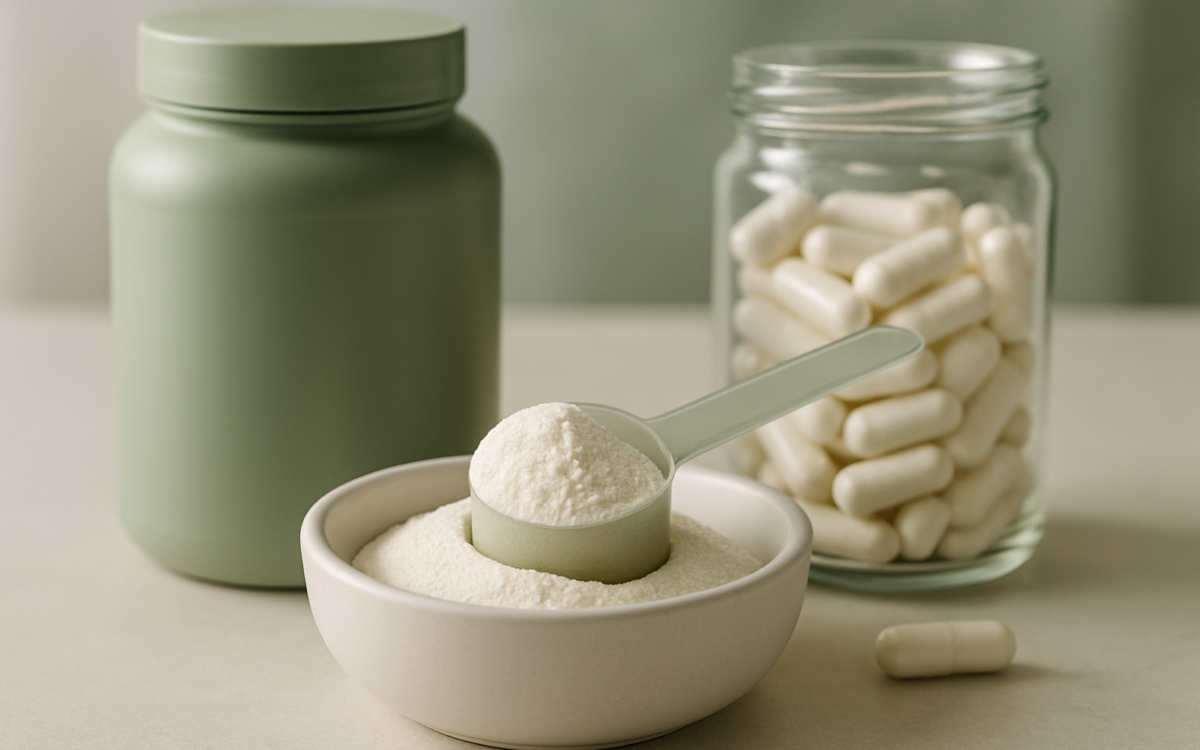
If you’re looking to enhance your athletic performance or improve your exercise routine, you might have come across the term ‘micronized creatine monohydrate.’ This supplement has gained attention for its potential benefits, making it a popular choice among athletes and fitness enthusiasts. But what exactly is it, and how can it support your health and fitness goals? This article will break down the science behind micronized creatine monohydrate, its benefits, usage, and important considerations.
What is Micronized Creatine Monohydrate?
Micronized creatine monohydrate is a powdered form of creatine that has been processed into smaller particles. Creatine itself is a naturally occurring substance in the body, primarily found in muscle tissue. It helps produce adenosine triphosphate (ATP), the primary energy carrier in cells. The micronization process improves solubility and absorption in the digestive system, making it easier for the body to utilize.
The Benefits of Micronized Creatine Monohydrate
Micronized creatine monohydrate offers several advantages, particularly for those engaged in high-intensity workouts:
- Increased Muscle Mass: Research indicates that creatine can contribute to muscle growth by increasing water content in muscle cells and promoting protein synthesis (NIH).
- Enhanced Performance: Studies show that creatine supplementation can significantly improve performance in high-intensity exercise, such as sprinting and weightlifting.
- Faster Recovery: Some evidence suggests that creatine may help reduce muscle soreness and inflammation following intense workouts, leading to quicker recovery.
- Improved Cognitive Function: There is emerging research on creatine’s role in brain health, showing potential benefits for cognitive function, especially under stress (NIH).
How to Use Micronized Creatine Monohydrate
For those interested in adding micronized creatine monohydrate to their regimen, here are some guidelines:
Dosing
The typical dose of creatine is around 3 to 5 grams per day. Some people choose to follow a loading phase of 20 grams daily for about five to seven days, split into four doses. After this, a maintenance dose of 3 to 5 grams is suggested. However, always consult with a healthcare provider before starting any supplement.
Timing
Timing of creatine intake can vary. Some athletes prefer to take it before their workouts, while others find benefits from post-workout consumption. The most important factor is consistency, ensuring you take it daily to maintain elevated levels in the muscle.
Potential Side Effects
While micronized creatine monohydrate is generally considered safe for most people when used as directed, it can have some side effects:
- Gastrointestinal Issues: Some individuals may experience stomach cramps, diarrhea, or nausea.
- Water Retention: Creatine can cause muscles to retain water, leading to a slight increase in weight.
- Kidney Stress: There are concerns about creatine’s impact on kidney function, particularly for those with pre-existing conditions. However, for healthy individuals, studies show it is safe (Mayo Clinic).
Who Should Consider Micronized Creatine Monohydrate?
Micronized creatine monohydrate may be beneficial for:
- Athletes or fitness enthusiasts engaging in high-intensity sports.
- Individuals aiming to build muscle mass and strength.
- People recovering from intense workouts looking to reduce muscle soreness.
However, it may not be suitable for everyone. It’s important for those with medical conditions or those who are pregnant or breastfeeding to consult with their healthcare provider before starting any supplement.
Complementing Your Routine
While micronized creatine monohydrate can be a valuable addition to a fitness routine, it is not a replacement for a healthy diet and exercise. A balanced diet rich in proteins, healthy fats, and carbohydrates, combined with regular physical activity, forms the foundation of good health.
Additionally, hydration is essential. Creatine draws water into muscles, so it’s crucial to drink adequate fluids while using this supplement.
When to See a Doctor
If you experience any negative side effects from micronized creatine monohydrate or have concerns about your health—or if you’re considering adding this supplement to your regimen—consult with a healthcare provider. They can provide guidance tailored to your specific health situation.
Conclusion
Micronized creatine monohydrate can offer notable benefits for enhancing exercise performance, supporting muscle growth, and aiding recovery. As with any supplement, it is crucial to approach it wisely and consult with a healthcare professional to ensure that it fits into your health and fitness goals. With informed usage, micronized creatine monohydrate may help you unlock new levels in your fitness journey.
