
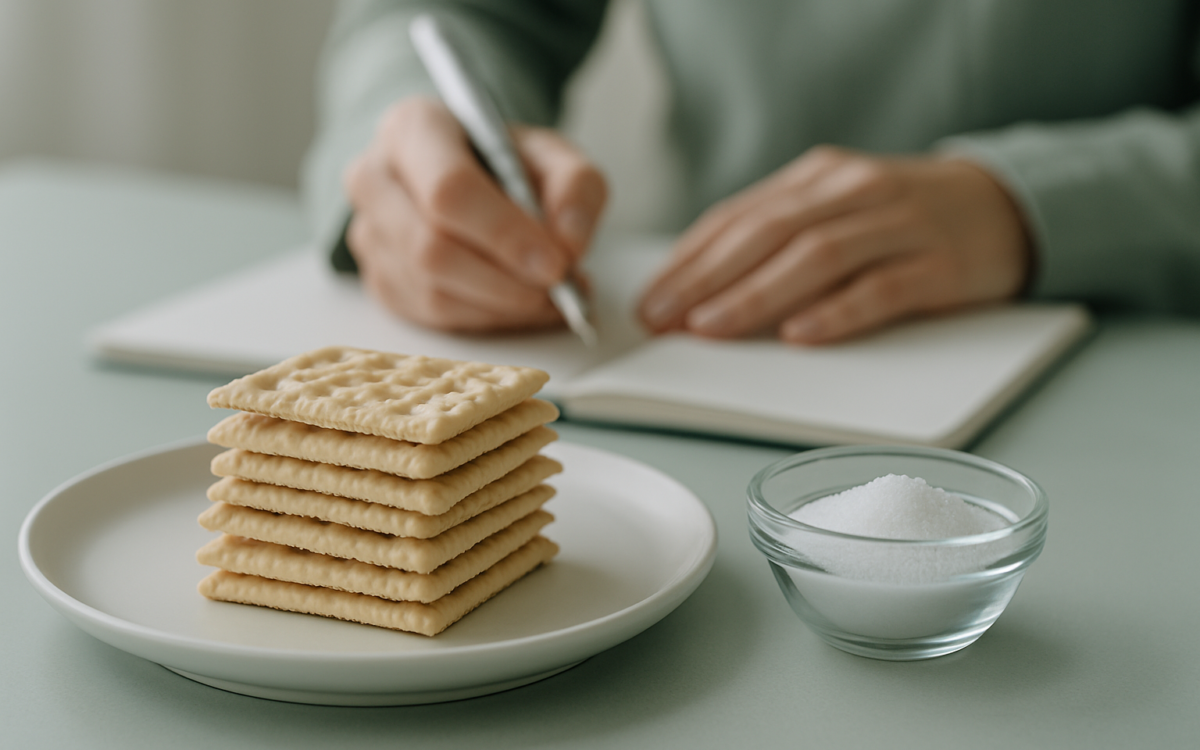
Saltines are a staple in many households, often found in pantries as a go-to snack or comfort food. But what exactly do these crispy crackers offer in terms of nutrition? Understanding the nutritional value of saltines can help you make more informed choices about incorporating them into your diet.
What Are Saltines?
Saltines are thin, square crackers made from flour, water, and yeast. They are typically topped with salt, which adds flavor and crunch. First developed in the 19th century as a type of hardtack, saltines have evolved into a popular snack due to their mild flavor and versatility. They are often enjoyed on their own or paired with soups, cheese, or spreads.
Nutritional Breakdown
To better understand the nutritional value of saltines, let’s take a look at a standard serving size, which is typically about five crackers (approximately 30 grams). According to the USDA, this serving size contains:
- Calories: 120
- Total Fat: 2 grams
- Sodium: 220 mg
- Carbohydrates: 22 grams
- Dietary Fiber: 1 gram
- Total Sugars: 0 grams
- Protein: 2 grams
The Good: Nutritional Benefits
While saltines may not be the most nutrient-dense food available, they do have some nutritional benefits:
1. Quick Source of Carbohydrates
Saltines are primarily composed of carbohydrates, making them an excellent quick energy source. They can be particularly helpful if you need a fast fuel boost during a long day or after physical activity.
2. Low in Calories
For those watching their calorie intake, saltines can be a relatively low-calorie snack option. A serving of five crackers only has 120 calories, making them an appealing snack when compared to other, more calorie-dense options.
3. Versatility in Meals and Snacks
Saltines can complement a variety of foods. They go well with soups, can be used as part of a cheese platter, or even topped with peanut butter or hummus to create a simple snack. Their mild flavor pairs well with many ingredients, enhancing meal enjoyment.
The Considerations: Ingredients and Nutrition Concerns
While there are some benefits to eating saltines, there are also considerations to keep in mind:
1. High in Sodium
One of the main concerns with saltines is their sodium content. A serving of five crackers contains around 220 mg of sodium, which can contribute to your daily sodium intake. The American Heart Association recommends keeping sodium intake below 2,300 mg per day, with an ideal limit of 1,500 mg for most adults. For those watching their sodium levels, particularly individuals with hypertension, it’s important to consume saltines in moderation.
2. Low Nutritional Density
Compared to other whole-food snacks, saltines lack key nutrients such as vitamins, minerals, and fiber. They are low in nutritional density, meaning they offer fewer vitamins and minerals per calorie than other food options. Therefore, they should not be your primary snack choice if you’re looking for nutrient-packed foods.
Alternative Snacks to Consider
If you’re seeking more nutritious snack options, consider these healthier alternatives:
- Whole Grain Crackers: Look for crackers made with whole grains for more fiber and nutrients.
- Fruits and Vegetables: Fresh fruits and veggies provide vitamins, minerals, and fiber.
- Nuts and Seeds: A great source of healthy fats and protein.
- Popcorn: A whole-grain snack that can be made healthier by controlling the added fats and sugars.
When to See a Doctor
While saltines can fit into a balanced diet, it’s essential to maintain moderation and overall nutritional balance. If you experience adverse reactions after consuming saltines or any other snack, such as digestive discomfort, allergic symptoms, or persistent cravings, it’s advisable to consult with a healthcare professional.
Conclusion
Saltines provide a straightforward, mild-flavored snack option that delivers quick energy through carbohydrates, but they should ideally be enjoyed in moderation. Their nutritional value may not be the richest, making it crucial to incorporate a variety of foods into your diet to meet your nutritional needs. Understanding what saltines offer can help you make better choices when it comes to snacking and meal planning.
