
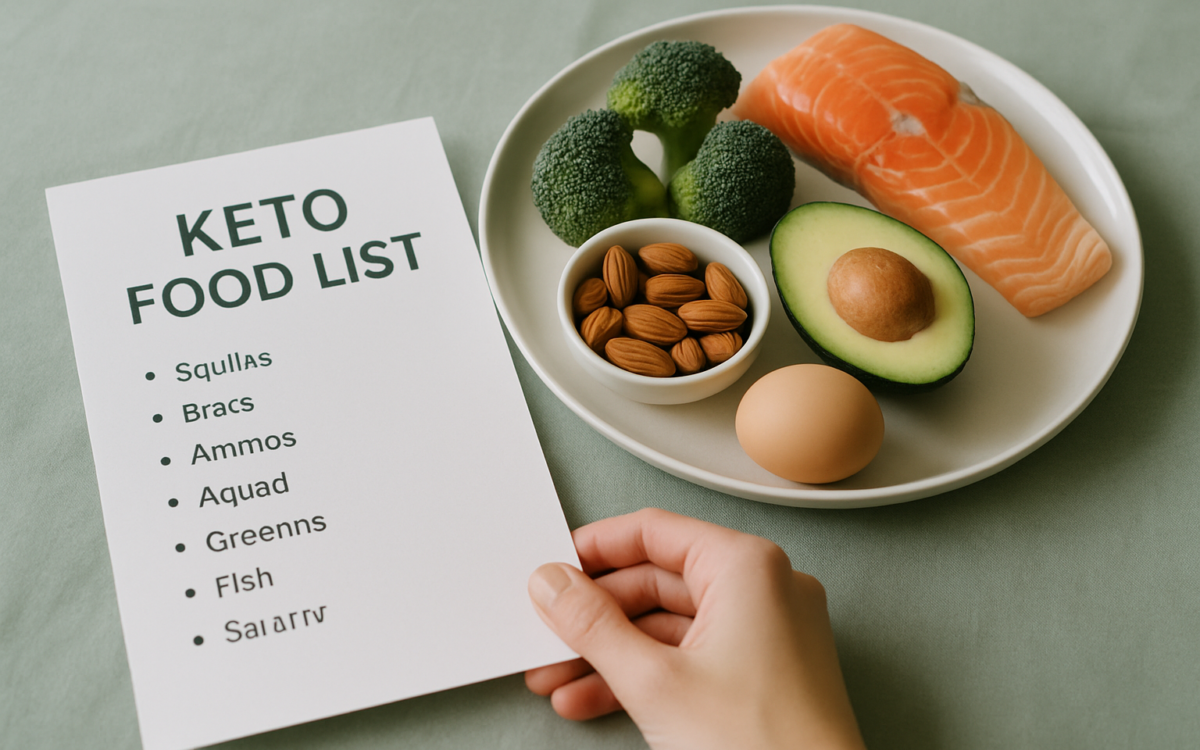
The ketogenic diet, or keto for short, has gained immense popularity as a way to lose weight and improve overall health. By focusing on low-carbohydrate and high-fat foods, the keto diet can help your body enter a state known as ketosis, where it burns fat for energy instead of carbohydrates. If you’re starting this journey, having a solid keto food list at your disposal will make meal planning easy and effective.
What Is the Keto Diet?
The ketogenic diet emphasizes a significant reduction in carbohydrates, typically to about 20-50 grams per day, while increasing fat intake. This shift prompts the body to burn fat for fuel, which is a different energy pathway than what most people are accustomed to. Some people also report positive benefits in mental clarity, improved energy levels, and reduced cravings.
The Basics of a Keto Food List
A successful ketogenic diet primarily includes foods that are low in carbs and high in healthy fats. Here’s a detailed look at what to include in your keto food list:
1. Healthy Fats
- Avocados: Packed with heart-healthy monounsaturated fats and fiber.
- Olive oil: A staple for dressing dishes or cooking due to its high smoke point.
- Coconut oil: Rich in medium-chain triglycerides (MCTs), which can promote fat burn.
- Butter and ghee: Great options for cooking and adding flavor, as long as they are from grass-fed sources.
- Nuts and seeds: Almonds, walnuts, chia seeds, and flaxseeds are excellent for snacks and toppings.
2. Protein Sources
- Meats: Grass-fed beef, pork, chicken, lamb, and wild-caught fish are protein-rich choices.
- Eggs: A versatile food loaded with nutrients, making them perfect for breakfast or baking.
- Dairy: Full-fat dairy options like cheese, heavy cream, and yogurt can enhance flavor and provide calcium.
- Tofu and tempeh: Plant-based options for those who want to minimize meat consumption.
3. Non-Starchy Vegetables
While fruits are often high in sugar, vegetables are fundamental to a keto diet. Focus on non-starchy varieties:
- Leafy greens: Spinach, kale, and lettuce are great for salads and cooking.
- Cruciferous vegetables: Broccoli, cauliflower, brussels sprouts, and cabbage are low in carbs and full of nutrients.
- Other vegetables: Bell peppers, zucchini, asparagus, and mushrooms also fit well on a keto plate.
4. Low-Carb Snacks
Finding satisfying snacks on a keto diet can be a challenge, but there are numerous options to keep your hunger at bay:
- Cheese crisps: Baked cheese is a delicious, crunchy snack.
- Jerky: Look for sugar-free varieties to avoid hidden carbs.
- Nut butter: Almond or peanut butter can help curb cravings when paired with celery or cucumber.
- Olives: A flavorful, low-carb option that adds healthy fats.
Foods to Avoid on a Keto Diet
It’s just as important to know what to leave off your plate. Here are some foods to avoid:
- Grains: Including bread, pasta, rice, and cereals.
- High-sugar fruits: Avoid bananas, apples, and grapes, which can spike blood sugar levels.
- Starchy vegetables: Potatoes and corn should be limited due to their high carb content.
- Sugary foods: Soft drinks, candy, baked goods, and many sauces contain added sugars.
Meal Planning Tips for Keto
Effective meal planning can make your keto journey smoother. Here are some simple strategies:
- Batch cooking: Prepare large quantities of your favorite meals to save time throughout the week.
- Keep it simple: Focus on whole foods, and don’t worry about fancy recipes to start.
- Stay hydrated: Drink plenty of water and consider adding electrolytes to compensate for the loss that can occur at the start of the diet.
- Use meal prep services: If time is tight, some meal services focus on low-carb and keto-friendly options.
When to See a Doctor
While the keto diet may work well for many, it’s important to consult with a healthcare provider, especially if you have underlying health conditions like diabetes or heart disease. Consulting a doctor or dietitian can provide personalized guidance tailored to your needs.
Conclusion
Adopting a ketogenic lifestyle involves more than just cutting carbs; it requires a thoughtful approach to food choices. By creating a solid keto food list and understanding how to incorporate these foods into your meals, you can optimize your diet for better health. As with any dietary change, remember to consult with a healthcare professional to ensure the best outcomes for your individual needs.
