
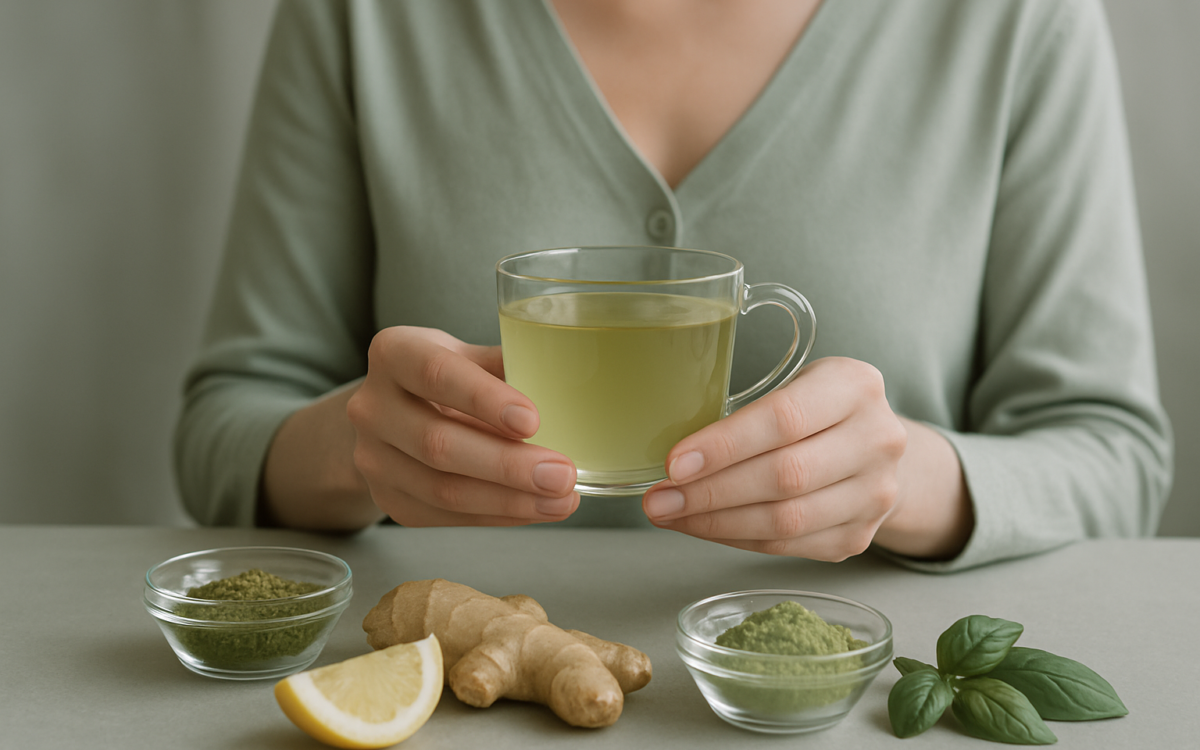
Inflammation is a natural response of the body to injury and infection. However, chronic inflammation can lead to serious health issues, including heart disease, diabetes, and arthritis. While medications are commonly used to manage inflammation, many people are turning to natural remedies such as anti-inflammatory teas. These herbal brews offer a soothing, flavorful way to promote better health.
Understanding Inflammation
Inflammation can be acute or chronic. Acute inflammation is a response to injury or infection, usually resolving swiftly as the body heals. Chronic inflammation, on the other hand, persists over time and can damage tissues. Factors contributing to chronic inflammation include diet, stress, and environmental toxins. For more information on inflammation, the National Institutes of Health (NIH) provides extensive research on the subject.
The Benefits of Anti-Inflammatory Teas
Tea has been enjoyed for centuries, and certain types are particularly renowned for their anti-inflammatory properties. When consumed regularly, anti-inflammatory teas may help reduce symptoms associated with chronic inflammation, improve immune function, and contribute to overall health and well-being.
Popular Anti-Inflammatory Teas
Several types of teas are well-known for their anti-inflammatory benefits:
- Green Tea: High in antioxidants called catechins, green tea can help reduce inflammation and improve heart health.
- Turmeric Tea: Made from the root of the turmeric plant, this tea contains curcumin, a powerful anti-inflammatory compound. Turmeric tea is often combined with black pepper to enhance absorption.
- Ginger Tea: Ginger has been used for centuries for its medicinal properties. It contains gingerol, which may help reduce inflammatory markers in the body.
- Chamomile Tea: Often associated with relaxation, chamomile tea has anti-inflammatory properties and may help reduce stress-related inflammation.
- Rooibos Tea: This caffeine-free herbal tea is rich in antioxidants and may possess anti-inflammatory effects, making it a great option for any time of the day.
How to Prepare and Enjoy Anti-Inflammatory Teas
Making anti-inflammatory teas at home is simple and allows for creativity in flavor and preparation. Here are a few ways to enjoy them:
Basic Green Tea
- Boil water and let it cool for a minute or two.
- Steep a green tea bag or loose leaves for 2-3 minutes.
- Add honey or lemon for taste if desired.
Turmeric Ginger Tea
- Boil 2 cups of water.
- Add 1 teaspoon of turmeric powder and 1 teaspoon of grated ginger.
- Let it simmer for 10 minutes, then strain and enjoy!
Chamomile Tea
- Use boiling water to steep chamomile tea for 5 minutes.
- Add a splash of milk or a sprinkle of cinnamon for added flavor.
Incorporating Teas into Your Daily Routine
Finding ways to incorporate anti-inflammatory teas into your daily routine can be beneficial. Here are some ideas:
- Start your day with a cup of green tea instead of coffee.
- Enjoy a soothing ginger tea after meals to aid digestion.
- Replace sugary beverages with herbal teas to cut down on calories and promote health.
- Wind down in the evening with a cup of chamomile tea to relax.
Potential Side Effects and Considerations
While anti-inflammatory teas can be beneficial, it’s essential to be aware of potential side effects or interactions. For example, excessive consumption of green tea can lead to digestive issues due to its caffeine content. Turmeric may affect blood clotting and interact with certain medications. Always consult your doctor before making significant changes to your diet or incorporating new herbal remedies, especially if you have underlying health conditions or take prescription medications.
When to See a Doctor
If you experience persistent inflammation or symptoms such as joint pain, swelling, or fatigue, it’s important to consult a healthcare professional. They can help determine the underlying cause and recommend appropriate treatments. Regular check-ups can help monitor your health and provide you with tailored advice for managing inflammation.
In conclusion, anti-inflammatory teas offer a delicious and natural way to support your health and combat chronic inflammation. By incorporating these herbal brews into your daily routine, you may find a helpful ally in your pursuit of wellness. Always remember to consult with your healthcare provider before making any significant changes to your health regimen.
