
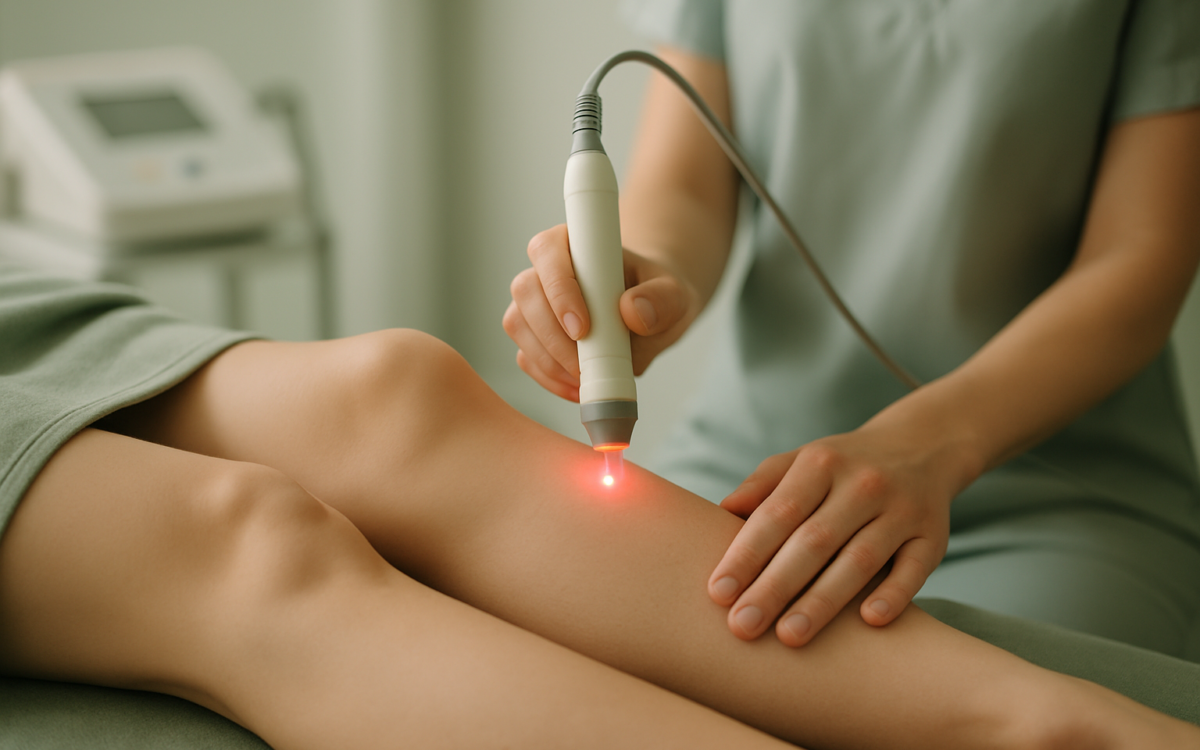
In recent years, laser therapy has gained popularity as a treatment option for various medical conditions. Known for its ability to promote healing and reduce pain, this innovative approach is changing the way many people manage their health. Whether you’re curious about its applications or considering it for yourself, understanding laser therapy is the first step towards harnessing its potential benefits.
What is Laser Therapy?
Laser therapy, also known as low-level laser therapy (LLLT) or cold laser therapy, utilizes light emitted from lasers to heal tissues and manage pain. Unlike conventional lasers that generate heat, low-level lasers operate at wavelengths that do not cause any damage to the surface of the skin. This makes laser therapy a non-invasive and safe option for many individuals.
How Does Laser Therapy Work?
The mechanism behind laser therapy lies in its ability to stimulate cell function. When the laser light penetrates the skin, it is absorbed by the cells and can promote cellular actions such as:
- Increased circulation: Laser therapy enhances blood flow, which can help in the delivery of oxygen and nutrients to injured areas.
- Reduced inflammation: The light can decrease inflammation, leading to less swelling and discomfort.
- Enhanced tissue repair: The therapy promotes the growth of new tissue, accelerating the healing process.
These effects contribute to the overall improvement in pain management and recovery from various conditions.
Benefits of Laser Therapy
Laser therapy offers a multitude of advantages, making it a valuable option in both healing and pain relief:
- Non-Invasive: As a non-surgical option, laser therapy avoids the complications associated with more invasive procedures.
- Quick Treatments: Sessions typically last between 15 to 30 minutes, allowing for convenient scheduling.
- Minimal Side Effects: Most patients experience little to no discomfort, and reactions are usually mild.
- Effective for Various Conditions: Laser therapy is effective for a range of issues, including chronic pain, arthritis, and even skin conditions.
The versatility of this therapy is one of its standout features.
Applications of Laser Therapy
Laser therapy has numerous applications in different fields of medicine, including:
1. Pain Management
Laser therapy is commonly used for chronic pain management, such as back pain, neck pain, and joint pain. Studies have shown that it can significantly reduce pain levels, improving patients’ quality of life (see NIH for research details).
2. Sports Injuries
Athletes often turn to laser therapy for treatment of sports injuries. It can speed up recovery times and reduce inflammation associated with common injuries like sprains and strains.
3. Skin Conditions
Laser therapy is also used to treat various skin conditions such as psoriasis, acne scars, and even hair loss. By stimulating the healing process at the cellular level, it promotes healthier skin.
4. Dental Treatments
Dentists utilize laser therapy for procedures like reducing gum inflammation, treating cavities, and performing root canal therapies. It enhances patient comfort and treatment outcomes.
What to Expect During a Laser Therapy Session
If you decide to explore laser therapy, knowing what to expect can help alleviate any concerns:
- Consultation: A thorough consultation will be conducted to discuss your medical history and treatment goals.
- Treatment Plan: Your healthcare provider will develop a specific treatment plan tailored to your needs.
- During the Session: You’ll be asked to relax while the therapist positions the laser device over the treatment area. You may notice a warming sensation, but the procedure is generally painless.
- Aftercare: Post-treatment care may involve suggestions on activity levels or additional therapies to combine with laser treatment.
Most patients report feeling immediate relief after treatment, with cumulative benefits noted after several sessions.
When to See a Doctor
If you are considering laser therapy, it’s important to discuss it with your healthcare provider. Seek medical advice if you experience:
- Persistent pain that affects your daily life.
- Worsening symptoms despite treatment.
- Any side effects or reactions from previous therapies.
Your doctor can help determine if laser therapy is a suitable option for your condition.
Conclusion
Laser therapy represents a promising treatment avenue for many individuals seeking relief from pain and other health issues. Its non-invasive nature and multiple applications make it an attractive choice in modern medicine. Always consult with a healthcare professional to find out if laser therapy may be the right fit for you.
